Area 51 Strain: The Complete Guide
TL;DR
Area 51 is a balanced hybrid cannabis strain with THC ranging from 17–25%, a terpene profile dominated by caryophyllene, myrcene, and limonene, and effects that hit both the head and body. It's great for focus, creativity, and stress relief. Growing difficulty is moderate, with an 8–9 week flower time and solid indoor yields around 300 g/m². Its genetic lineage is officially undisclosed — which is part of the mystique.
What Is the Area 51 Strain?
The Area 51 strain lives up to its name in at least one way: its true genetic origins are classified. No breeder has officially confirmed its lineage, which has turned this hybrid into something of a legend in cannabis circles. What we do know comes from its cannabinoid profile, terpene chemistry, and the consistent reports of thousands of consumers who've tried it.
At its core, Area 51 is a balanced hybrid — roughly 50/50 sativa and indica — delivering a cerebral lift that transitions into a relaxed, grounded body feel. THC content typically lands between 17–23%, though some phenotypes have tested as high as 25%. CBD is minimal, clocking in around 0.31–1%, so this isn't a high-CBD medical strain — it's built for effect.
It's available across major legal markets including California, Oregon, Colorado, Washington, Arizona, Massachusetts, and New York, and it maintains a loyal following among both recreational users and those using cannabis therapeutically.
Area 51 Terpene Profile
Three terpenes define the Area 51 experience. Caryophyllene leads with spicy, peppery depth. Myrcene adds earthy musk and anchors the body effects. Limonene brings brightness — citrus, lemon, and a clean lift to the overall aroma. Together they create something complex: sweet on the nose, with lemon and pine on the palate, and a slight spice on the exhale.
The caryophyllene dominance is notable — this terpene also binds to CB2 receptors, which may contribute to Area 51's anti-inflammatory and stress-relief properties beyond simple psychoactive effects.
Area 51 Strain Effects
Area 51 opens with a fast-acting cerebral rush — euphoria, a mood lift, and a sharpening of focus that makes it popular for creative work, social situations, or afternoon productivity sessions. This isn't a couch-lock strain, especially at moderate doses. The sativa side keeps things energetic and engaged.
As the high develops over 30–60 minutes, the indica genetics ease in. Tension drops from the shoulders, muscles relax, and the mental energy settles into something calmer and more grounded. The transition is smooth rather than jarring, which is one of Area 51's most appreciated traits.
Positive effects reported most often:
- Euphoria and happiness
- Heightened focus and creative thinking
- Mild energy boost without anxiety
- Physical tension relief
Side effects to watch for: Dry mouth and dry eyes are the most common complaints — standard stuff. At higher doses or for less experienced users, dizziness and occasional headaches can occur. Start with 1–2 hits and give it 15 minutes before going deeper.
Area 51 for Medical Use
Area 51's balanced profile makes it genuinely versatile for therapeutic use. According to Leafly user data, 33% of medical users report it primarily for stress relief, 25% for depression, and 22% for anxiety. The caryophyllene content likely plays a role here — beyond flavor, it's one of the few terpenes known to interact directly with the endocannabinoid system via CB2 receptors.
It's not a high-CBD strain, so those managing pain or inflammation who prefer minimal psychoactivity might look elsewhere. But for mood disorders, mental fatigue, and stress-related conditions where a functional, clear-headed high is desirable, Area 51 hits a useful sweet spot.
Growing the Area 51 Strain
Area 51 is rated moderate difficulty — accessible to growers who've gotten a harvest or two under their belt, but not forgiving enough for total beginners. Plants grow to medium height, typically 5–8 feet outdoors, which means indoor growers should plan for topping or LST (low-stress training) early to keep canopy manageable.
Key Growing Stats
| Parameter | Details |
|---|---|
| Flowering Time | 8–9 weeks |
| Indoor Yield | ~300 g/m² (0.5–1 oz/ft²) |
| Outdoor Yield | ~400 g/plant (10–15 oz/plant) |
| Plant Height | 5–8 feet (outdoors) |
| Difficulty | Moderate |
| THC Range | 17–25% |
Indoor Growing Tips
- Training: Apply LST or topping at week 3–4 of veg to widen the canopy and improve light penetration. Area 51's medium height responds well to a SCROG setup.
- Lighting: 600–1000W HPS or full-spectrum LED in the 35–50 W/ft² range. Dial up intensity during weeks 5–8 of flower to push trichome development.
- Temperature: Keep daytime temps at 72–80°F and allow a 10°F night drop in late flower to encourage resin production and potentially bring out color in certain phenotypes.
- Humidity: 50–60% RH during veg, drop to 40–45% in flower to reduce mold risk — especially important with the denser cola structures this strain can produce.
- Feeding: Moderate feeder. Standard N-P-K schedule works well; boost phosphorus and potassium in weeks 5–8. Watch for light nitrogen sensitivity and pull back early in flower.
Outdoor Growing Tips
Outdoors, Area 51 thrives in a Mediterranean climate — warm days, moderate humidity, and plenty of direct sun. In the Northern Hemisphere, expect harvest around late September to mid-October. At 10–15 oz per plant, outdoor grows can be genuinely rewarding. Stake plants early as they can get top-heavy with dense buds by week 7.
Area 51 Flavor and Aroma: What to Expect
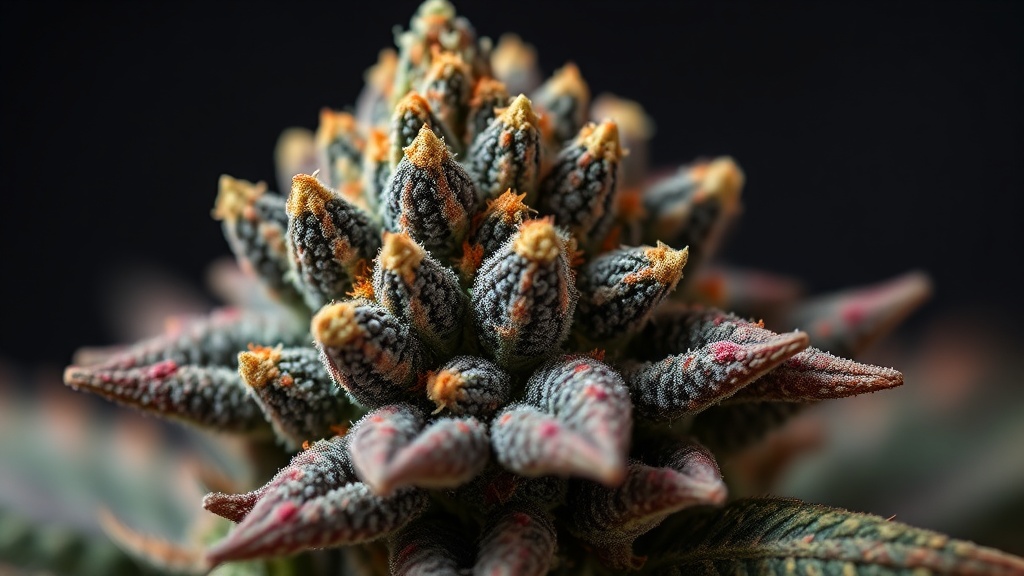
The smell on Area 51 is distinctive — sweet and citrusy up front, with floral undertones that round it out. Break open a bud and the earthiness from myrcene comes through more prominently, with a subtle spice from caryophyllene. On the inhale, you get lemon and pine; the exhale brings out more earth and a faint pepper kick. It's a sophisticated profile that feels cohesive rather than muddled, which reflects quality genetics even if their exact identity stays classified.
How Does Area 51 Compare to Similar Strains?
If you enjoy Area 51, you're probably drawn to balanced hybrids with strong terpene profiles and functional, mood-lifting effects. Some strains worth exploring in the same lane:
- Blue Dream — Similar sativa-leaning hybrid energy with berry and citrus notes; slightly less body effect
- GSC (Girl Scout Cookies) — More indica-heavy and dessert-sweet, but shares the euphoria-to-relaxation arc
- Headband — Another mystery-lineage hybrid with cerebral focus effects and similar THC range
- Super Silver Haze — Heavier on the energizing sativa side if you want less body and more cerebral punch
Final Verdict on the Area 51 Strain
The Area 51 strain earns its reputation. With THC up to 25%, a well-rounded terpene profile built on caryophyllene, myrcene, and limonene, and effects that bridge creative energy with physical relaxation, it delivers on multiple fronts. Whether you're growing it (budget 8–9 weeks and expect solid 300 g/m² indoor yields) or just picking it up at a dispensary, it's a strain that rewards attention. The mystery of its lineage isn't a red flag — it's just part of the brand. The effects speak for themselves.
More from StrainGuide
Community Grows
See how real growers are cultivating this strain.
Track Your Grow with GrowGuide
Free grow journal app — log feedings, track stages, snap progress photos, and connect with growers.
Get GrowGuide FreeHave a question about this topic?
Ask our AI Bud Tender — powered by the same assistant in the StrainGuide app.