Best Strains for Pain and Inflammation
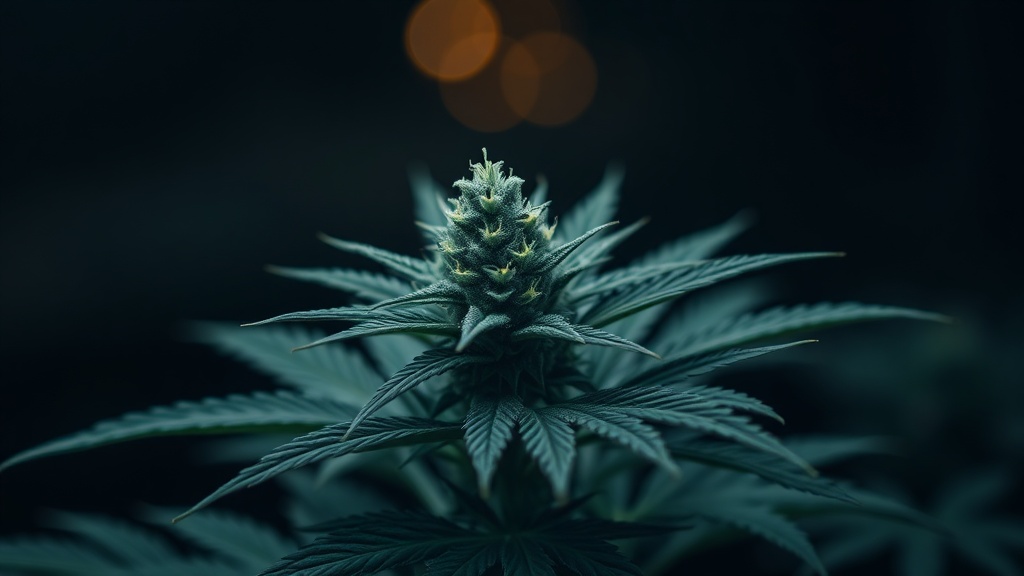
Finding the best strain for pain and inflammation isn't as simple as grabbing the highest-THC flower on the shelf. Pain relief depends on a complex interplay of cannabinoids, terpenes, and your own endocannabinoid system. Some patients swear by high-THC indicas that knock out nerve pain at night; others do better with balanced CBD:THC strains that cut inflammation without sedation. This list cuts through the noise and gives you nine proven options — covering chronic pain, inflammatory conditions, neuropathy, muscle soreness, and more — so you can match the right strain to your specific situation.
How We Chose These Strains
Every strain on this list was evaluated against four criteria:
- Cannabinoid profile: THC percentage, CBD content, and CBG/CBN presence where relevant
- Terpene lineup: Myrcene, beta-caryophyllene, linalool, and humulene are the heavy hitters for anti-inflammatory activity
- Community consensus: Consistent reports of pain relief across dispensary reviews and patient forums, not just anecdotal one-offs
- Functional usability: A strain that knocks you unconscious at noon isn't useful for daytime pain management — we flagged day vs. night options explicitly
We also cross-referenced existing research on cannabis and pain. Studies consistently show that THC activates CB1 receptors to modulate pain signaling, while CBD suppresses pro-inflammatory cytokines. Beta-caryophyllene — a terpene found in many strains below — directly binds CB2 receptors, making it uniquely anti-inflammatory even without psychoactivity.
The 9 Best Strains for Pain and Inflammation
1. ACDC — Best High-CBD Option
Type: Sativa-dominant hybrid | THC: 1–6% | CBD: 14–20%
ACDC is the gold standard for anyone who needs real inflammation relief without getting high. With CBD levels regularly hitting 20% and THC staying under 6%, this strain delivers anti-inflammatory cannabinoid therapy while keeping your head clear. The dominant terpenes — myrcene and pinene — add muscle-relaxant and anti-inflammatory effects on top of the CBD. Ideal for daytime use with autoimmune inflammation, arthritis, or chronic pain where you still need to function. If you've ever dismissed CBD-dominant strains as "weak," ACDC will change your mind fast.
2. Harlequin — Best Balanced CBD:THC Ratio
Type: Sativa-dominant hybrid | THC: 7–15% | CBD: 8–16%
Harlequin typically runs a 5:2 CBD:THC ratio, which is close to the therapeutic sweet spot many pain researchers point to. The CBD moderates the psychoactivity of THC while both cannabinoids work together on pain signaling — a real entourage effect in action. Users report clear-headed relief from nerve pain, fibromyalgia, and inflammatory conditions like Crohn's. Beta-caryophyllene and myrcene round out the terpene profile. This is the strain most often recommended for first-time medical users who want relief without losing control of their day.
3. Granddaddy Purple — Best for Nighttime Pain
Type: Indica | THC: 17–23% | CBD: ~1%
GDP is a classic for good reason. The myrcene-heavy profile creates deep muscle relaxation that's hard to beat for end-of-day pain management. It's particularly effective for pain that disrupts sleep — muscle spasms, joint pain, and neuropathy that gets worse at night. The grape-and-berry terpene profile masks nothing; you're in for heavy sedation, so plan accordingly. THC in the 20%+ range means even experienced users should start with a small dose. This is a night strain, full stop — don't try to use it at 2 PM if you have anything to accomplish.
4. Blue Dream — Best Daytime Hybrid
Type: Sativa-dominant hybrid | THC: 17–24% | CBD: ~2%
Blue Dream punches above its weight for pain because of its unusually terpene-rich profile: myrcene for inflammation, caryophyllene for CB2 activation, and pinene for mental clarity. It delivers genuine analgesic relief without the couch-lock of a pure indica, making it one of the most popular daytime options for people managing chronic pain while working. Muscle soreness, migraines, and moderate nerve pain all respond well. The cerebral uplift also helps offset the mood dip that often accompanies chronic pain — a bonus that's easy to overlook but matters enormously in daily quality of life.
5. Northern Lights — Best Pure Indica for Deep Pain
Type: Indica | THC: 16–21% | CBD: ~1%
Northern Lights has been a cornerstone of medicinal cannabis for decades, and its reputation for body pain relief is well-earned. The full-body sedation hits hard and fast — within minutes for most users. It's particularly effective for pain conditions involving muscle tension, spasms, or cramping: menstrual pain, back spasms, MS-related muscle issues. The myrcene and linalool combo creates a genuinely calming anti-inflammatory response in the body. Don't plan on moving much after a proper Northern Lights session, which is exactly what some pain patients need.
6. White Widow — Best for Pain + Mental Clarity
Type: Balanced hybrid | THC: 18–25% | CBD: ~1%
White Widow is underrated in pain conversations because it sits in a unique space: high enough THC to hit pain receptors hard, but with enough sativa energy to keep you functional and alert. The caryophyllene content is particularly high compared to most hybrids, giving it a real edge for inflammatory pain. Arthritis, inflammatory bowel conditions, and post-workout soreness are where users report the most benefit. The resin production is legendary — this strain was bred to be cannabinoid-dense, and it shows in effects. Great option when you need daytime relief but Blue Dream feels a bit light for your pain level.
7. Cannatonic — Best for Inflammation Without Sedation
Type: Hybrid | THC: 6–17% | CBD: 6–17%
Cannatonic is fascinating because its phenotype expression varies significantly — you might get a 1:1 THC:CBD plant or a heavily CBD-dominant one from the same batch, so always check the lab numbers. When it lands at true 1:1, it's arguably the best anti-inflammatory strain available: THC handles the pain signaling while CBD tackles the immune-mediated inflammation underneath it. Muscle spasms, fibromyalgia, and arthritis patients consistently rank it among their top performers. Terpenes lean toward myrcene and ocimene, with a mellow, almost medicinal character. Check out our guide to cannabis testing to understand how to read lab results before buying this one.
8. GSC (Girl Scout Cookies) — Best for Full-Body Relief
Type: Hybrid (indica-dominant) | THC: 19–28% | CBD: ~1%
GSC delivers one of the most complete body highs in cannabis — a wave of relaxation that covers pain from head to toe without total incapacitation. The caryophyllene and limonene terpene duo hits both the CB2 receptor (anti-inflammatory) and helps modulate stress hormones that can amplify pain perception. Users with neuropathic pain, inflammation from lupus or rheumatoid arthritis, and cancer-related pain report strong results. At 20–28% THC, this isn't for beginners — but for experienced users dealing with serious pain, GSC's potency is exactly what's needed. Evening or night use recommended.
9. Haze Berry — Best for Pain + Mood Lift
Type: Sativa-dominant hybrid | THC: 20% | CBD: ~1%
Haze Berry doesn't get enough credit in medical circles. Its myrcene and terpinolene profile creates a uniquely uplifting pain relief experience — you feel the body relaxation without the mental fog. For patients dealing with pain that's compounded by depression or anxiety (an extremely common combination), Haze Berry addresses both simultaneously. The berry terpenes add a pleasant, bright note that makes it an easy daily driver for moderate pain. Particularly popular among migraine and headache sufferers who find pure indicas too heavy for their needs. If you're also managing mood alongside pain, check our guide on best strains for depression and anxiety for more options in this space.
Strain Comparison Chart
Which Strain is Right for Your Type of Pain?
Not all pain is the same, and strain selection should reflect that:
- Nerve/neuropathic pain: Harlequin, Cannatonic, ACDC — CBD:THC balance works best here
- Arthritis and joint inflammation: White Widow (daytime), GSC (evening), ACDC (anytime)
- Muscle soreness and spasms: Northern Lights, Granddaddy Purple, Blue Dream
- Migraines and headaches: Haze Berry, Blue Dream, Harlequin
- Autoimmune inflammation (Crohn's, IBD, RA): ACDC, Cannatonic, Harlequin
- Cancer-related pain: GSC, Northern Lights, Granddaddy Purple
Best Strains for Pain and Inflammation: Terpenes Matter as Much as THC
One of the most consistent findings in cannabis pain research is that terpenes aren't just aroma compounds — they're pharmacologically active. Beta-caryophyllene, present in high concentrations in White Widow, GSC, and Blue Dream, is a dietary cannabinoid: it binds the CB2 receptor directly, reducing inflammatory signaling without any psychoactivity. This is why two strains with identical THC percentages can have completely different pain profiles.
When shopping for pain relief, ask your budtender for a full terpene report alongside the cannabinoid panel. If they don't carry that data, choose a different dispensary — or use home testing where available. Our complete guide to cannabis testing explains exactly what to look for on a certificate of analysis.
Myrcene, which shows up as the dominant terpene in most indicas on this list, is a potent muscle relaxant and enhances THC absorption across the blood-brain barrier — sometimes described as increasing the "ceiling" of THC's effect. Linalool (also found in lavender) carries meaningful anxiolytic and analgesic properties. Humulene, found in hops and cannabis alike, has demonstrated direct anti-inflammatory activity in animal studies.
Dosing for Pain Relief: Start Lower Than You Think
The most common mistake pain patients make is assuming more THC equals more relief. Research on THC and pain actually shows a biphasic dose-response curve: low to moderate doses reduce pain, while very high doses can paradoxically increase pain sensitivity in some users. The 5–15mg THC range is where most patients find their analgesic sweet spot without hitting the ceiling where efficacy drops off.
If you're new to high-CBD strains like ACDC or Cannatonic, note that CBD effects are more dose-linear — 20–40mg of CBD is typically where anti-inflammatory benefits become clinically meaningful. This is why CBD flower often outperforms CBD oils gram-for-gram: the full-spectrum entourage effect amplifies bioavailability significantly.
For more strain recommendations based on mood and mental health support alongside pain, see our best strains for depression and anxiety guide — the overlap is real, and many pain patients benefit from addressing both simultaneously.
Final Picks by Priority
- Best overall: Harlequin — balanced, functional, consistent
- Best CBD-dominant: ACDC — maximum anti-inflammatory with minimal high
- Best nighttime: Granddaddy Purple — deep body relief for sleep
- Best daytime hybrid: Blue Dream — pain relief without losing your day
- Best for serious pain: GSC — high-potency, full-body coverage
The best strain for pain and inflammation ultimately comes down to your specific pain type, your tolerance level, and whether you need to stay functional. Use this list as your starting framework, then dial in through personal experimentation — keeping notes on dose, method, strain, and relief duration will help you optimize faster than any blanket recommendation ever could.
More from StrainGuide
Have a question about this topic?
Ask our AI Bud Tender — powered by the same assistant in the StrainGuide app.