Growing Blueberry Muffin Strain: Full Guide
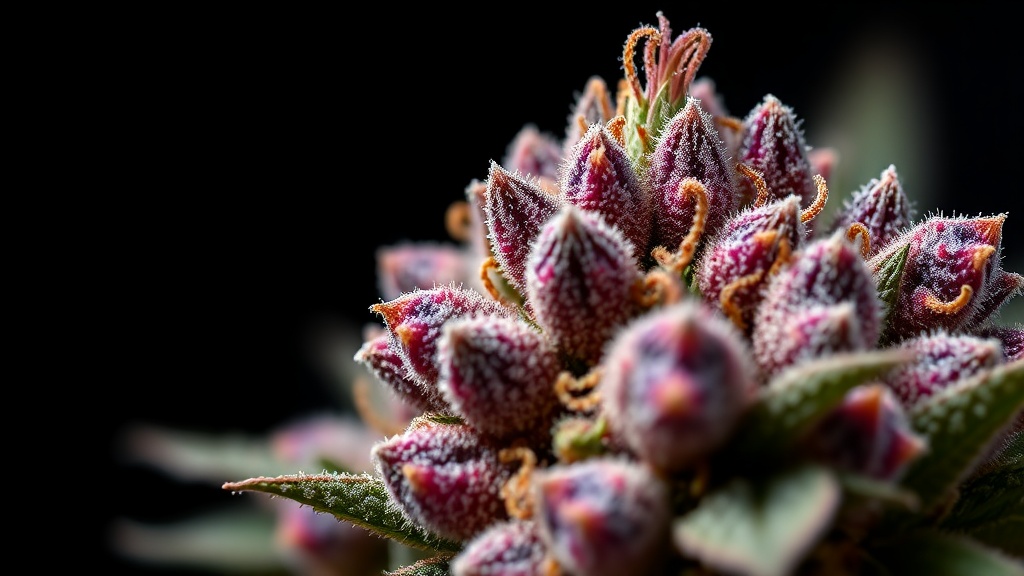
If you're serious about growing Blueberry Muffin strain, you're working with one of the most flavorful and visually striking indicas available from Humboldt Seed Company. A cross between Blueberry and Purple Panty Dropper, this strain brings together berry-forward terpenes, purple-hued flowers, and a quick flower time that makes it attractive for both new and experienced cultivators. The catch? It grows tall and lanky and needs active canopy management to reach its full yield potential. Here's exactly how to do it.
Blueberry Muffin: Strain Overview for Growers
Before digging into technique, you need to understand what you're working with genetically. Blueberry Muffin is indica-dominant, but it doesn't grow short and bushy like a classic Afghan-type indica. It stretches during early flower — sometimes dramatically — which changes how you approach your grow from the start.
- Genetics: Blueberry × Purple Panty Dropper
- Breeder: Humboldt Seed Company
- THC: 16–24% (average ~20%)
- CBD: 0.05–1%
- CBG: ~0.8%
- Flowering time: 6–8 weeks
- Indoor yield: ~550g/m²
- Outdoor yield: 500–600g per plant
- Difficulty: Beginner to intermediate
The fast 6–8 week flower window is a genuine advantage — comparable to autoflower speed but in a photoperiod plant, which gives you far more control. Pair that with the Blueberry Muffin strain's generous yield numbers, and you have a commercially viable cultivar that doesn't make you wait.
Terpene Profile
Understanding the terpene profile helps you dial in your environment — temperature, humidity, and harvest timing all affect how loud that blueberry muffin smell actually gets.
Myrcene (the dominant terpene) drives the earthy, musky berry base and reinforces the relaxing body effect. Caryophyllene adds a subtle spice and is the only terpene that also acts on CB2 receptors — it contributes to the strain's reported anti-stress properties. Limonene rounds things out with citrus brightness and a mood-lifting edge that keeps the high from feeling too heavy. Together, these three produce that unmistakable freshly-baked aroma the strain is famous for.
Growing Blueberry Muffin Strain: Setup and Environment
Indoor vs. Outdoor
Both environments work well, but they demand different strategies:
- Indoor: Full environmental control lets you push the 550g/m² ceiling. Use ScrOG to manage the stretch and maximize light penetration. A 600W HPS or equivalent LED in a 1.2m × 1.2m tent is a solid starting point.
- Outdoor: In warm, Mediterranean-type climates (think Northern California, Spain, Southern Australia), expect 500–600g per plant. The plant's tall, lanky structure makes it vulnerable to high winds — stake your plants early and consider a sheltered spot or windbreak.
Climate and VPD
Blueberry Muffin performs best with these environmental parameters:
- Veg temp: 22–28°C (72–82°F)
- Flower temp: 18–24°C (65–75°F) — lower temps during lights-off encourage purple coloration
- Humidity: 50–60% in veg, drop to 40–50% in flower to prevent bud rot in dense colas
- VPD: Target 0.8–1.0 kPa in veg, 1.0–1.5 kPa in flower
The purple coloring in Blueberry Muffin's buds is temperature-dependent. A 10°C (18°F) day/night differential during the last 2–3 weeks of flower will maximize anthocyanin expression and give you those deep purple tones that make this strain visually stunning at market.
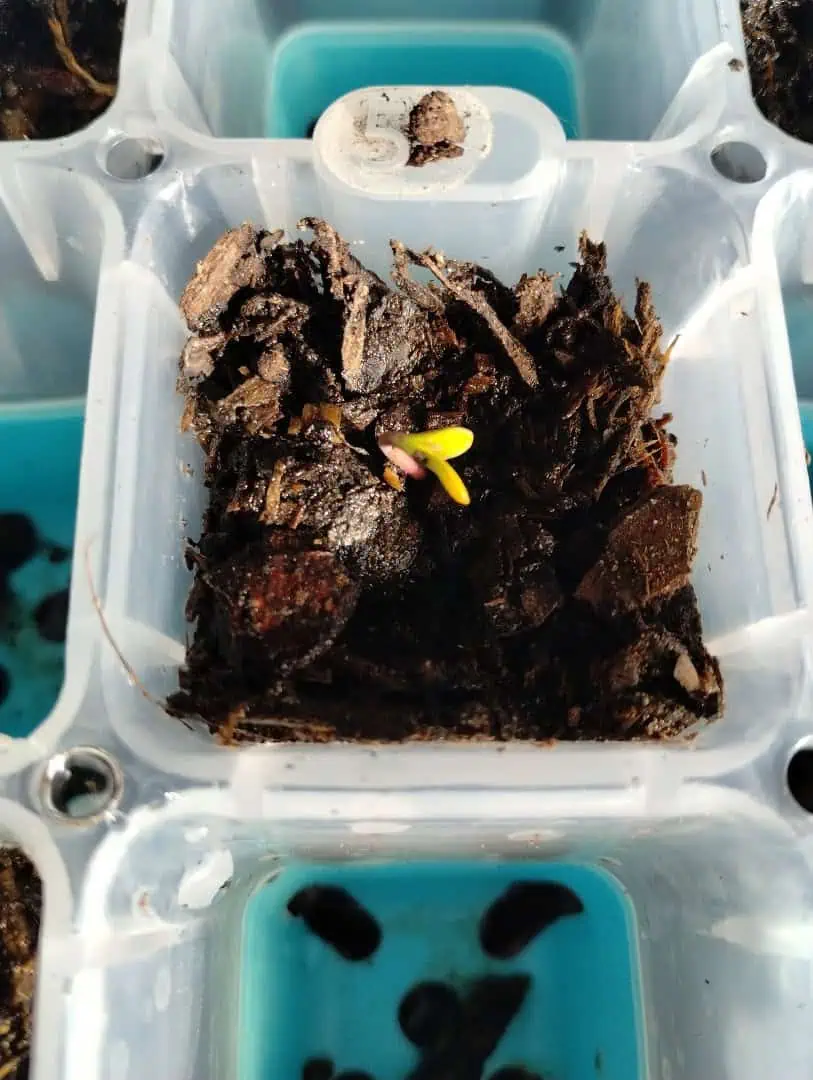
Grow Timeline: Seed to Harvest
Training Techniques for Blueberry Muffin
This is where most first-time Blueberry Muffin growers go wrong — they skip training and end up with a tall, spindly plant with a single dominant cola and minimal lower bud development. Don't do that. This strain rewards aggressive early training.
Topping
Top at the 4th or 5th node to create two equal main colas. You can top again 10–14 days later to push to 4 main colas. This keeps height in check and dramatically increases bud sites. For a full walkthrough on timing multiple tops, check out our guide on how to top cannabis plants multiple times.
Screen of Green (ScrOG)
ScrOG is the highest-yield method for Blueberry Muffin indoors. Set your net at 40–50cm above the pots and weave branches through as they grow. Flip to 12/12 once the screen is 60–70% full. Expect significant stretch during the first 2–3 weeks of flower — tuck aggressively during this stretch phase. The flat canopy from ScrOG is what gets you to that 550g/m² number.
Sea of Green (SOG)
If you're running multiple small plants instead of a few large ones, SOG works well too. Use 9–16 plants per m², flip to flower earlier (after just 2 weeks of veg), and let each plant develop a single fat main cola. Less training overhead, faster turnover per cycle, but you'll need more clones or seeds.
Low-Stress Training (LST)
For beginners not ready for topping, LST alone — bending and tying branches outward from the main stem from week 2 of veg — will meaningfully improve light penetration and bud site count. Combine with ScrOG for best results.
Feeding and Nutrients
Blueberry Muffin is a moderate feeder — not as hungry as some high-yield strains, but it responds well to properly timed nutrients:
- Veg: Higher nitrogen (N-P-K like 3-1-2). Keep EC at 1.2–1.6 in coco or hydro, lower in soil (0.8–1.2).
- Transition (week 1–2 flower): Back off nitrogen, introduce bloom-focused ratios (1-3-2).
- Mid-flower (weeks 3–6): Phosphorus and potassium heavy. EC up to 1.8–2.2 in coco/hydro.
- Flush (final 1–2 weeks): Plain water or light flush solution. This protects the terpene expression — critical for a strain where flavor is the main selling point.
Calcium and magnesium supplementation is important if you're growing in coco or using RO water. Signs of cal-mag deficiency (interveinal chlorosis, rust spots) will appear in mid-flower if you neglect it.
Pest and Disease Management
Blueberry Muffin's dense bud structure is beautiful but also a liability — it creates conditions for botrytis (bud rot), especially if humidity spikes above 55% in late flower. Prevention steps:
- Run airflow directly through the canopy, not just above it
- Lollipop (defoliate lower third) at the flip to improve airflow and reduce dead zones
- Do a selective defoliation pass at day 21 of flower — remove large fan leaves blocking bud sites
- Monitor tightly during weeks 5–8 when buds are densest
For outdoor grows in humid climates, consider a preventive application of potassium bicarbonate spray early in flower to reduce mold pressure.
Harvest Timing
With a 6–8 week window, you have some flexibility on when to pull — and your target trichome color changes the effect profile:
- Mostly cloudy trichomes (week 6–7): More cerebral, uplifting effect. Less couch-lock.
- ~70% amber trichomes (week 7–8): Heavier, more sedating body effect — the classic Blueberry Muffin experience most users want.
Use a 30x–60x loupe or jeweler's scope, not the naked eye. Check trichomes on the calyx, not the sugar leaves — leaf trichomes amber faster and will mislead you into harvesting early.
Curing for Maximum Flavor
Blueberry Muffin's terpene profile — myrcene, caryophyllene, limonene — is volatile. A rushed dry and cure will flatten the flavor into generic "weed" and waste everything that makes this strain special.
- Dry slowly: Hang whole branches in darkness at 15–18°C, 55–60% RH for 10–14 days. Slower is better.
- Jar cure: Trim and jar at 62% RH (use Boveda 62 packs). Burp jars 2× daily for the first 2 weeks.
- Minimum cure: 3–4 weeks. The blueberry pastry aroma deepens noticeably between weeks 2 and 4 of cure.
Effects and Who It's For
Once you've grown and cured it properly, here's what you're delivering to yourself or your consumers: a relaxed, happy, mildly euphoric experience with solid body effect and minimal anxiety. The myrcene-caryophyllene combination makes it a good option for stress, anxiety, and chronic pain relief. It's not a knock-you-out sedative at moderate doses, but heavier consumption — especially with fully ambered trichomes — leans hard into couch-lock territory.
If your patients or customers are using cannabis for mood, check out our roundup of best strains for depression and anxiety for context on how Blueberry Muffin fits in the wider landscape.
For comparison against other dessert-flavored, sweet-terpene strains worth growing back-to-back, see our guides on Gelato and Mochi Gelato.
Final Verdict: Is Blueberry Muffin Worth Growing?
Yes — with caveats. If you go in expecting a short, easy-to-manage indica and skip training, you'll end up frustrated with a lanky plant and mediocre yields. But if you top early, run a ScrOG, manage your humidity in late flower, and cure properly, Blueberry Muffin is one of the most rewarding strains you can run. The 6–8 week flower time, 550g/m² potential, and genuinely unique flavor profile make it stand out in a crowded seed market. Humboldt Seed Company built something special here — it just requires a grower who respects the process.
More from StrainGuide
Community Grows
See how real growers are cultivating this strain.
Track Your Grow with GrowGuide
Free grow journal app — log feedings, track stages, snap progress photos, and connect with growers.
Get GrowGuide FreeHave a question about this topic?
Ask our AI Bud Tender — powered by the same assistant in the StrainGuide app.