Mango Kush Strain Guide: Effects & Growing
TL;DR
Mango Kush is an indica-dominant hybrid (Mango × Hindu Kush) packing 11–22% THC, dominant myrcene terpenes, and a ripe tropical fruit flavor that lives up to its name. Expect happy, relaxed, and euphoric effects with heavy body comfort. It grows 4–5 feet tall, flowers in 9–11 weeks, and is forgiving enough for intermediate growers. If you want a flavorful evening strain that doesn't knock you out completely, Mango Kush delivers.
What Is Mango Kush?
Mango Kush is one of the most recognizable tropical strains in the cannabis world, and for good reason. A cross between the classic Mango strain and the legendary Hindu Kush landrace, it inherits the best of both parents: Mango's fruity terpene bomb and Hindu Kush's reliable body-heavy indica foundation. The result is a strain that smells like a fruit bowl and hits with a warm, lazy-afternoon kind of ease.
THC content typically lands between 11% and 21%, with some phenotypes pushing to 22%. CBD stays low at around 0.3%, and CBG sits near 1% — making this primarily a THC-driven experience. It's classified indica-dominant but leans hybrid in practice, delivering mental uplift alongside physical relaxation rather than a one-note couch-lock.
Mango Kush Terpene Profile
Terpenes are what separate a memorable strain from a forgettable one, and Mango Kush has a genuinely distinctive profile. Myrcene dominates, which explains the ripe mango and faint banana aroma — myrcene is the terpene most responsible for tropical fruit scents in cannabis. Beneath that, caryophyllene adds a spicy, peppery complexity that keeps the sweetness from becoming one-dimensional. Humulene brings earthy, woody undertones, and a touch of limonene lifts the whole profile with a bright citrus edge.
This terpene stack also has functional implications. Myrcene is widely studied for its sedative synergy with THC. Caryophyllene binds to CB2 receptors, potentially contributing to anti-inflammatory and stress-relief effects. Humulene has appetite-suppressing properties — noteworthy, since many indica strains lean the other way. Together, they make Mango Kush taste as good as it smells and probably account for the strain's strong reputation for stress relief.
Mango Kush Effects: What to Expect
Mango Kush sits in a sweet spot between functional and relaxing. Users most commonly report:
- Happy — the most reported effect at ~60% of users
- Relaxed — experienced by ~48% of users
- Euphoric — noted by ~45% of users
The high tends to start cerebrally, with a mood lift and gentle euphoria, then gradually settles into the body. It's not the strain for getting things done, but it won't necessarily glue you to the couch at moderate doses either. Think: easy conversation, a movie, a slow dinner. At higher doses or with sensitive users, the indica side takes over and you're staying in for the night.
On the negative side, dry mouth is the most common complaint (33% of users), followed by dry eyes (21%) and occasional dizziness (8%). Staying hydrated and going low-and-slow with dosing handles most of these issues. The dizziness mostly shows up when beginners overdo it with a high-THC phenotype.
Medical Uses
Mango Kush is a go-to for users managing stress (34%), depression (21%), and pain (18%). The myrcene-heavy profile and the body relaxation make it particularly useful for tension headaches, mild chronic pain, and unwinding after high-stress days. It's not the best pick for severe pain or insomnia compared to heavier indicas like Granddaddy Purple or Northern Lights, but it handles everyday stress and mood support reliably.
Flavor and Aroma
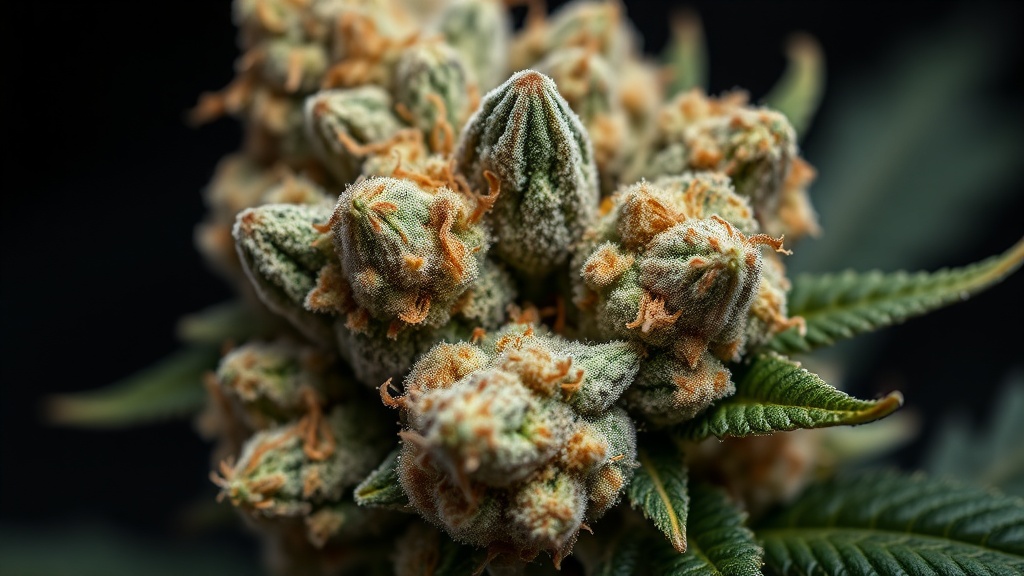
The nose is unmistakably tropical. Fresh Mango Kush buds smell like ripe mango with a hint of banana — the myrcene doing its thing. Break it apart and you get earthier, almost piney undertones from the Hindu Kush genetics cutting through. On the inhale, the flavor follows through with sweet mango and tropical fruit up front, transitioning to a subtle pine and spice finish on the exhale. It's one of the cleaner-tasting indica hybrids around, and it vapes exceptionally well if you want to get the most out of the terpene profile without combustion masking it.
Growing Mango Kush
Mango Kush is a solid choice for growers who aren't yet at the expert level. It's rated easy to moderate and responds well to both indoor and outdoor setups.
Key Stats at a Glance
| Attribute | Detail |
|---|---|
| Height | 4–5 feet (compact, manageable) |
| Flowering Time | 9–11 weeks |
| Yield | High |
| Grow Difficulty | Easy–Moderate |
| Best Environment | Indoor or outdoor, warm climate preferred |
Indoor Growing Tips
Indoors, Mango Kush stays compact enough that vertical space isn't a problem — 4–5 feet is manageable even in tent setups. It responds well to Low Stress Training (LST) or Screen of Green (ScrOG) to open up the canopy and maximize light penetration. Aim for temperatures between 70–80°F (21–27°C) during the day. Humidity management matters most during late flowering — drop relative humidity to 40–50% in the final 2–3 weeks to reduce mold risk and encourage trichome production. Expect dense, resinous buds.
Outdoor Growing Tips
Outdoor plants appreciate a warm, Mediterranean-style climate. Harvest typically falls in late October in the Northern Hemisphere. The plant handles moderate feeding well but watch for nitrogen excess during flowering — Mango Kush can show tip burn if you push nutrients too hard. Given its Hindu Kush heritage, it has decent resilience to temperature swings, but extended wet or cold periods during flowering will increase mold susceptibility on those dense colas.
Feeding and Nutrients
A standard cannabis nutrient schedule works well: nitrogen-heavy during vegetative growth, transitioning to phosphorus and potassium dominance once flowering kicks in. Adding a terpene-supporting supplement like molasses (1 tbsp per gallon in the last 3 weeks of soil grows) or a commercial carbohydrate additive can amplify the terpene expression and enhance that mango aroma in the final product.
How Mango Kush Compares
If you enjoy Mango Kush, strains with overlapping appeal include:
- Mango Haze — shares the tropical flavor but skews sativa, with more energy and less body weight
- Bubba Kush — keeps the Hindu Kush depth but trades the fruit for coffee and chocolate notes; heavier sedation
- Blue Dream — similar balanced-hybrid feel with a different berry/vanilla flavor profile and more head-forward effects
- Pineapple Express — another tropical fruit hybrid, slightly more energizing, with citrus and pine leading instead of mango
Mango Kush occupies a unique space because it delivers genuine tropical flavor without sacrificing the body effect. Fruity sativas can feel thin on the body; Mango Kush never does.
Final Verdict
Mango Kush earns its popularity. It's a strain that delivers on its promise — tropical aroma, relaxed-but-not-destroyed effects, and a grow profile that won't frustrate intermediate cultivators. The 11–22% THC range means there's a version of this strain for beginners and experienced users alike, and the myrcene-caryophyllene-humulene terpene stack gives it both flavor and functional character. Whether you're unwinding after work or looking for a flavorful evening smoke, Mango Kush is consistently one of the better choices in the indica-dominant hybrid category.
More from StrainGuide
Track Your Grow with GrowGuide
Free grow journal app — log feedings, track stages, snap progress photos, and connect with growers.
Get GrowGuide FreeHave a question about this topic?
Ask our AI Bud Tender — powered by the same assistant in the StrainGuide app.