
Voyager
Terpenes
- TerpinolenemainPiney and floral; often called lively.
Effects
Flavors
Sponsored link. StrainGuide may earn from it at no extra cost to you.
About Voyager
Voyager is a hybrid, listed at a 50/50 sativa to indica split. Flying Dutchmen is credited as its breeder, and the company's genetics for it combine New Guinea Gold from the Papua highlands, a South American line descended from Colombian Red, and an Afghani from the far north of the Hindu Kush that the breeder calls a Tajik Indica. The result is a plant that growers can expect to show wide variation, with spiraling sativa phenotypes appearing regularly.
Flowering indoors takes about 55 to 70 days. The strain is sold as feminized photoperiod seed and can be grown indoors or outdoors, with outdoor cultivation suited to a warm, sunny climate with a long summer.
Indoor plants reach roughly 110 to 170 cm (43.3 to 66.9 in), and outdoor plants reach the same range. Indoor yield runs about 0.4 oz per square foot, and outdoor yield is about 4.6 oz per plant. The breeder describes the yields as potentially very large, though plants may need some extra care to reach that potential.
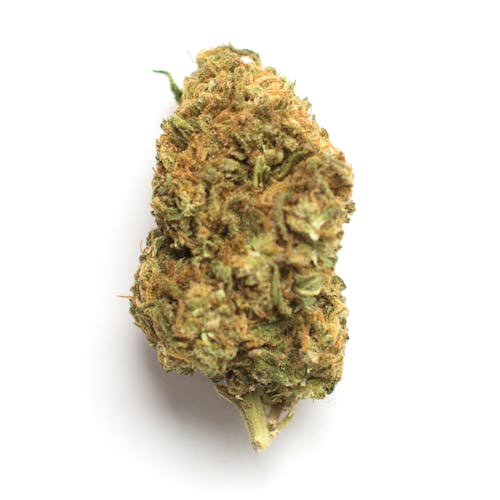
Smoke and flavor reports describe a spicy, sharp and sweet profile, with sweet tropical mango and spicy, creamy undertones. Effects include feeling focused, relaxed, and uplifted, and a creative, motivating mental clarity with relaxed sociability. Terpinolene is the dominant terpene.
A separate line sold under the Voyager name, also called Voyager #1, was developed by SunMed Growers as a cross of Super Lemon Haze, Blue Satellite 2.2, and Silverback Gorilla. It is described as sativa-dominant, so the two versions should not be confused.
Growing Voyager
Flying Dutchmen sells Voyager as feminized photoperiod seed. Indoors it flowers in about 55 to 70 days, and plants stay around 110 to 170 cm (43.3 to 66.9 in) both inside and out. Indoor yield is about 0.4 oz per square foot; outdoors a plant gives about 4.6 oz. The breeder calls outdoor growing suited to a warm, sunny climate with a long summer, and describes the harvest as potentially very large with a little extra care. Expect wide variation between plants, with spiraling sativa phenotypes showing up regularly. Buds come out trichome-crusted. The plants are not described as difficult, though they benefit from attention to reach full output.