Autoflower vs Feminized vs Regular Seeds
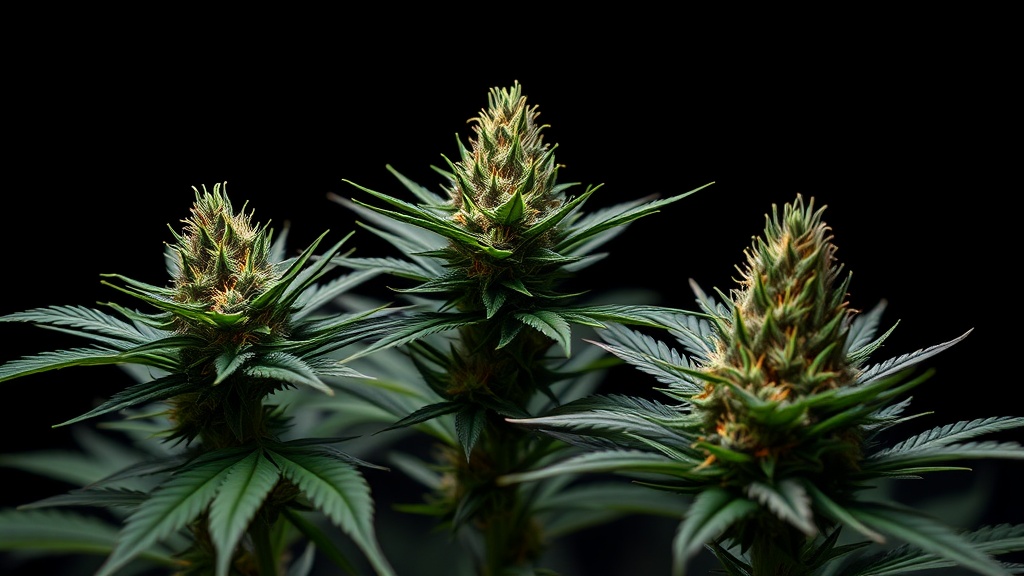
Autoflower vs Feminized vs Regular Seeds: Which Should You Grow?
Choosing between autoflower vs feminized vs regular seeds is one of the first — and most important — decisions any grower makes. Get it right and your grow goes smoothly. Get it wrong and you're fighting your genetics from day one. This guide breaks down all three seed types across every metric that matters: genetics, THC potential, yield, difficulty, and best use cases. No fluff, just the facts you need to make the right call.
Quick Comparison Table
| Category | Regular | Feminized | Autoflower |
|---|---|---|---|
| Sex Ratio | ~50% female | ~99.9% female | ~99.9% female |
| Flowering Trigger | Light cycle | Light cycle | Age (automatic) |
| Seed-to-Harvest | 16–24 weeks | 14–20 weeks | 8–11 weeks |
| Max THC Potential | 30%+ | 30%+ | Up to 24% |
| Yield (indoor) | High (if sexed well) | Highest | Moderate |
| Clone-able | Yes | Yes | Technically, but not ideal |
| Breeding Use | Excellent | Limited | Moderate |
| Difficulty | Advanced | Beginner–Intermediate | Beginner |
| Best For | Breeders | Most growers | Speed & stealth |
Side-by-Side Stats: THC, CBD, Yield & Difficulty
Regular Seeds: For Breeders and Purists
Regular seeds come from natural pollination between a male and female plant. The result is a roughly 50/50 split between male and female offspring — which sounds like a downside until you realize breeders need males to create new genetics. Strains like Hindu Kush, Durban Poison, and original Skunk #1 phenotypes are still widely available as regulars precisely because serious breeders preserve them this way.
The upside is genetic diversity. Each seed from a regular pack is a slightly unique expression of the parent genetics — some will be exceptional, some average. That variability is the raw material that makes strain development possible. If you're hunting for a special pheno to clone and work with long-term, regular seeds give you the widest selection to pick from.
The downside is waste. You'll germinate twice as many seeds as you need, grow them into sexable plants (around week 4–6 of veg), pull the males, and continue with the females. That takes space, time, and resources. For anyone not specifically breeding, it's an unnecessary headache. Seed-to-harvest can stretch to 20–24 weeks for slow strains.
Growing tip: When working with regulars, run them under 18/6 light in small pots until you can sex them. Keep males isolated immediately — pollen travels far. If you're not breeding, remove males the moment you see pre-flowers.
Feminized Seeds: The Standard for Most Growers
Feminized seeds are produced by stressing a female plant (typically with colloidal silver or rodelization) into producing male pollen, then using that pollen to fertilize another female. Because both parents are female, all resulting seeds carry only female chromosomes — giving you ~99.9% female plants.
This eliminates the biggest hassle in growing: sexing plants. Every seed you pop becomes a producer. That efficiency shows up in yield numbers — indoor feminized photoperiod grows regularly hit 400–600g/m², compared to 150–300g/m² for autoflowers. High-performers like Gelato, Biscotti, and Khalifa Kush are available as feminized seeds and can push THC levels above 25–28%.
The tradeoff is light dependency. Feminized photoperiod plants only flower when they receive 12 hours of uninterrupted darkness. Indoors, you control this with a timer. Outdoors, you're tied to the natural light calendar — most feminized strains finish outdoors between late September and November in the northern hemisphere.
Feminized seeds are also the most clonable. Once you find a phenotype you love, you can take cuttings and preserve that exact genetic expression indefinitely. That's something autoflowers simply can't offer at the same reliability.
If you're learning techniques like LST, topping, or SCROG, check out how to top cannabis plants multiple times — these methods are most effective with feminized photoperiod plants since you have full control over the veg period.
Autoflowering Seeds: Speed, Simplicity, Stealth
Autoflowering seeds contain genetics from Cannabis ruderalis, a subspecies native to northern Russia and Central Asia that evolved to flower based on age rather than light cycle. Cross that trait into a modern hybrid and you get plants that go from seed to harvest in 8–11 weeks regardless of how many hours of light they receive.
The practical implications are massive. You can run autos under 20 hours of light per day for the entire cycle, squeezing maximum photosynthesis into every day. You can grow multiple cycles per year indoors. Outdoors, you can start in early spring and harvest before summer even peaks — or run a second crop after your photoperiod harvest in fall.
Early-gen autos had a reputation for weak THC (often 12–16%) and wispy yields. That reputation is now mostly outdated. Modern lines from breeders like FastBuds, Barney's Farm, and Dutch Passion regularly test at 20–24% THC, with indoor yields reaching 400–450g/m² in optimized setups. Strains like Gorilla Cookies Auto and Wedding Cheesecake Auto have genuinely closed the gap with photoperiod counterparts.
The one real limitation is stress sensitivity. Because autos run on a fixed clock, any major stressor — transplant shock, overwatering, nutrient burn — costs you irreplaceable time. Best practice: germinate directly in the final container (a 3–5 gallon fabric pot works well), keep training gentle (LST only, no heavy topping unless you're experienced), and dial in your feeding chart before you start. For step-by-step germination and planting technique, see how to plant germinated cannabis seeds.
Effect Spectrum: Where Each Seed Type Lands
It's worth noting that effects aren't determined by seed type alone — the underlying strain genetics (indica, sativa, or hybrid) drive the actual experience. What the diagram reflects is the range each type covers. Feminized photoperiod seeds span the widest range because they include everything from high-CBD relaxers to energetic sativa-dominant hybrids. Autoflowers tend to cluster slightly toward the balanced-to-uplifting side — partly due to ruderalis heritage, partly because most popular auto lines are built around hybrid genetics. Regular seeds cover a similarly broad range but include more landrace-adjacent genetics with older terpene profiles.
If you're selecting a strain for a specific effect — say, for anxiety or depression — the seed type matters less than the strain itself. See our guides on best strains for depression and anxiety and best strains for pain and inflammation for effect-first recommendations.
Autoflower vs Feminized vs Regular: Which Should You Choose?
Choose Regular Seeds If:
- You're actively breeding and need access to male plants
- You're hunting for a unique phenotype to work into a breeding project
- You want to preserve or work with heirloom genetics
- You have the space and time to sex plants and discard males
Choose Feminized Seeds If:
- You want maximum yield per square meter
- You're growing photoperiod strains with a specific harvest window in mind
- You plan to take clones and preserve a phenotype
- You want to apply advanced training techniques (topping, SCROG, mainlining)
- You're growing strains like Gelato 41, Mochi Gelato, or Gelato Cake that are known for exceptional cannabinoid profiles
Choose Autoflowering Seeds If:
- You're a first-time grower who wants a forgiving, fast cycle
- You need discreet plants that stay compact (typically under 100cm)
- You want to run multiple harvests per year, indoors or outdoors
- You're growing in a space where you can't control the light cycle
- You need a fast turnaround — 8–11 weeks from seed to harvest is hard to beat
Final Verdict
There's no universal winner in the autoflower vs feminized vs regular seeds debate — it comes down entirely to your goals. For the majority of home growers looking for consistency, yield, and strain-specific quality, feminized seeds are the default choice. They give you full control over the grow timeline, the biggest harvests, and the widest strain selection.
If you're new to growing or need a fast, simple cycle, autoflowers have genuinely caught up to where they need to be — modern autos are no longer a compromise. And if you're serious about developing your own genetics, regular seeds are non-negotiable. Keep all three in your toolkit, deploy each where it makes sense, and your grows will reflect it.
More from StrainGuide
Have a question about this topic?
Ask our AI Bud Tender — powered by the same assistant in the StrainGuide app.