Best Strain for Restless Leg Syndrome 2026: 8 RLS Picks
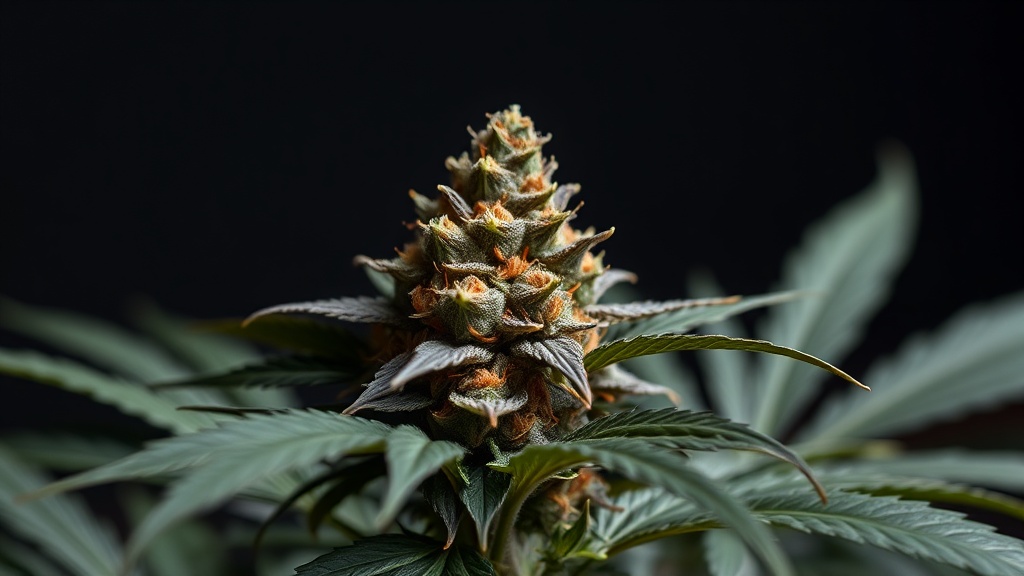
Restless leg syndrome affects roughly 10% of adults, and the people who have it know that "uncomfortable leg urge" is a massive understatement. The crawling, throbbing, pulling sensations that hit hardest at night don't just ruin your sleep — they cascade into anxiety, chronic fatigue, and genuine pain. Pharmaceutical options like dopamine agonists work for some, but come with dependency risks and side effects that make many sufferers look for alternatives. That's where cannabis enters the picture. Finding the best strain for restless leg syndrome means targeting three overlapping problems simultaneously: nerve discomfort, involuntary muscle tension, and sleep disruption. The right strain handles all three. This list does the heavy lifting — here are 8 strains with the specific cannabinoid and terpene profiles that RLS sufferers report working best.
How We Chose These Strains
We filtered candidates based on four criteria directly relevant to RLS:
- Muscle relaxation: Strains heavy in myrcene and caryophyllene consistently rank highest for physical unwinding and tension relief
- Nerve calming: Indica-dominant genetics and higher CBD content show the most promise for neuropathic-style discomfort
- Sleep onset: RLS is worst at night, so nighttime-appropriate sedation matters — we weighted strains that transition well from relaxation into sleep
- THC range: Moderate-to-high THC (15–25%) hits the sweet spot — enough to override the sensation loop without paranoia that worsens the restlessness
We cross-referenced community reports from RLS sufferers, terpene data, and cannabinoid profiles. Not all of these are pure indicas — one sativa-leaning hybrid made the list for its unique nerve-calming terpene stack.
The 8 Best Strains for Restless Leg Syndrome
1. Granddaddy Purple — Best Overall for RLS
Type: Indica | THC: 17–23% | CBD: ~0.1%
Key Effects: Deep body sedation, muscle unwinding, euphoric mental calm
Key Terpenes: Myrcene, caryophyllene, pinene
GDP is the benchmark for body-heavy cannabis relief, and it earns the top spot here for good reason. The myrcene-dominant profile delivers that characteristic "legs turning to lead" sensation that RLS sufferers specifically need — the crawling urge can't compete with that level of physical sedation. The grape-and-berry flavor is a bonus, but the real value is how it shuts down involuntary movement signals without leaving you mentally wired. Take it 45 minutes before bed for best results.
2. 9 Lb Hammer — Best for Severe Nighttime RLS
Type: Indica | THC: 18–23% | CBD: ~0.1%
Key Effects: Heavy-hitting body lock, fast sedation, deep muscle relaxation
Key Terpenes: Myrcene, caryophyllene, limonene
The name tells you exactly what you're getting. 9 Lb Hammer is a JinxProof Genetics cross of Gooberry, Hell's OG, and Jack the Ripper — and that sedative indica punch hits fast. For RLS sufferers who experience the worst flare-ups between midnight and 3am, this is a go-to because the onset is quick (10–15 minutes with a vaporizer) and the body melt is comprehensive. Myrcene and caryophyllene work synergistically here to address both the muscular and neurological components of the syndrome. Our complete 9lb Hammer guide has the full breakdown.
3. Bubba Kush — Best for RLS + Anxiety
Type: Indica | THC: 15–22% | CBD: ~0.1%
Key Effects: Tranquilizing body relaxation, anxiety relief, sleep preparation
Key Terpenes: Myrcene, caryophyllene, limonene
RLS and anxiety are closely linked — the frustration of an uncontrollable urge to move creates a feedback loop that worsens both conditions. Bubba Kush breaks that loop effectively. It's not the heaviest hitter on this list (15–22% THC keeps it manageable), but the tranquilizing effect profile is clean and consistent. The caryophyllene content specifically interacts with the endocannabinoid system's CB2 receptors, which play a role in peripheral nerve signaling — exactly the mechanism implicated in RLS discomfort. See the full Bubba Kush strain guide for more detail.
4. Purple Punch — Best Flavor + Function Combo
Type: Indica-dominant hybrid | THC: 18–20% | CBD: ~0.5%
Key Effects: Relaxing body buzz, mild euphoria, sleep facilitation
Key Terpenes: Caryophyllene, limonene, myrcene
A cross of Larry OG and Granddaddy Purple, Purple Punch inherits GDP's body-relaxing qualities but with a slightly lighter touch that makes it viable for earlier evening use (7–9pm rather than right before bed). The moderate THC range and trace CBD content work together more synergistically than single-cannabinoid options. Users report it being particularly effective at reducing the leg-twitching that starts building before a full RLS episode, making it a useful preventive dose rather than a rescue medication. Read more in our Purple Punch effects guide.
5. ACDC — Best High-CBD Option for RLS
Type: Sativa-dominant hybrid | THC: 1–6% | CBD: 14–20%
Key Effects: Clear-headed nerve relief, anti-inflammatory, minimal psychoactivity
Key Terpenes: Myrcene, pinene, caryophyllene
ACDC is the only high-CBD entry on this list, and it earns its place for a specific reason: some RLS sufferers find that high-THC strains actually worsen the restlessness by increasing nervous system sensitivity. If you've tried potent indicas and found the jitteriness got worse, ACDC is your strain. The 14–20% CBD profile directly engages anti-inflammatory pathways and may modulate the dopaminergic dysfunction that underlies RLS. Combine it with a small amount of a higher-THC strain for an entourage effect without overwhelming psychoactivity. Our full ACDC strain guide covers dosing in detail.
6. Northern Lights — Best Classic Indica for RLS
Type: Indica | THC: 16–21% | CBD: ~0.1%
Key Effects: Full-body relaxation, spasm reduction, reliable sleep induction
Key Terpenes: Myrcene, caryophyllene, pinene
Northern Lights has been the go-to medical indica for decades, and its reputation holds up specifically for movement-disorder-adjacent conditions. The myrcene concentration is among the highest in the indica category, which directly correlates with muscle-relaxing outcomes. Northern Lights also has one of the most consistent phenotype expressions of any classic strain — you know exactly what you're getting batch to batch, which matters when you're managing a chronic condition. The spasm-reducing quality makes it particularly relevant for RLS sufferers who experience actual leg jerking (periodic limb movement) alongside the urge sensations.
7. Blue Dream — Best for Daytime/Evening RLS Without Full Sedation
Type: Sativa-dominant hybrid | THC: 17–24% | CBD: ~0.1%
Key Effects: Gentle body relaxation, uplifted mood, reduced tension without couch-lock
Key Terpenes: Myrcene, caryophyllene, pinene
Most RLS strains in this list are nighttime-only options, but RLS can strike in the afternoon or early evening too — especially in people who sit for long periods at desks or on flights. Blue Dream is the rare hybrid that delivers real myrcene-driven body relaxation while keeping you functional enough to work or socialize. The 17–24% THC range is robust, but the sativa genetic base keeps the experience alert rather than sedated. It won't knock out a severe nighttime episode, but for daytime leg discomfort and early-evening tension management, it's the most practical choice on this list. Our Blue Dream complete guide goes deep on its terpene stack.
8. Blackberry Kush — Best for RLS + Chronic Pain
Type: Indica | THC: 16–20% | CBD: ~0.5%
Key Effects: Pain relief, muscle relaxation, sedation
Key Terpenes: Myrcene, caryophyllene, linalool
For RLS sufferers whose syndrome overlaps with fibromyalgia, lower back pain, or general chronic pain conditions, Blackberry Kush covers more ground than a single-purpose sedative. The linalool content (shared with lavender) adds an anxiolytic, muscle-calming dimension that you don't find in standard Kush crosses. The berry-diesel flavor makes it one of the more pleasant evening options, and the 16–20% THC keeps it approachable without tolerance escalation. Read our Blackberry Kush effects guide for growing tips and full cannabinoid data.
Strain Comparison Chart
Key Terpenes to Look For When Choosing the Best Strain for Restless Leg Syndrome
Strain name alone doesn't guarantee results — what you're actually chasing are specific terpene profiles. Here's what to look for on a lab certificate:
- Myrcene (>0.5%): The most important terpene for RLS. Myrcene is the primary driver of that "couch-lock" muscle sedation and acts as a natural muscle relaxant. It also enhances THC permeability across the blood-brain barrier, amplifying the cannabinoid effect. Check our complete cannabis terpenes guide for the full science.
- Caryophyllene (>0.3%): The only terpene that binds directly to CB2 receptors. This is relevant for RLS because CB2 activation modulates peripheral nerve inflammation and pain signaling — the exact mechanism researchers believe contributes to the RLS sensation loop.
- Linalool (>0.1%): Found in lavender and some Kush strains. Linalool produces direct muscle-relaxant effects through GABAergic pathways, complementing the cannabinoid action. Blackberry Kush is the best example of a linalool-rich RLS strain.
- Pinene: As a secondary terpene, pinene helps counteract any THC-induced cognitive fog, keeping the experience functional enough that you're relaxed but not confused.
Use our Terpene Explorer to filter strains by myrcene and caryophyllene concentration — this is the fastest way to find dispensary options that match the profiles above.
Consumption Method Matters for RLS
With RLS, timing and onset speed are critical because symptoms often escalate quickly and unpredictably:
- Vaporizer (dry herb, 185–195°C): Best for nighttime RLS flare-ups — 10–15 minute onset, 90-minute to 2-hour duration. The onset speed means you can dose responsively rather than prophylactically.
- Edibles: Best for consistent all-night coverage if your RLS causes repeated waking. A 5–10mg dose taken 90 minutes before bed can provide 4–6 hours of sustained relief. Use our Dosage Calculator to dial in your edible dose based on body weight and tolerance.
- Tinctures: The middle ground — 20–45 minute onset, good duration, sublingual dosing is easy to titrate. Useful when edibles feel too intense or unpredictable.
- Smoking: Works, but combustion destroys some terpenes (especially linalool), reducing the muscle-specific benefits. If smoking is your preferred method, choose a vaporizer temperature setting instead.
RLS and Sleep: The Cannabis Connection
Because most RLS episodes peak between 10pm and 4am, sleep disruption is the number-one quality-of-life complaint. Several strains on this list are also featured in our best cannabis strains for sleep guide and our best weed for sleep roundup — because treating RLS effectively usually means treating the sleep disruption simultaneously. For people with overlapping chronic pain alongside their RLS, our best strains for pain article covers additional options worth considering.
Not sure which of these 8 strains fits your specific symptom pattern? The Strain Finder Quiz factors in your primary complaints, tolerance level, and preferred effects to give you a personalized shortlist in under two minutes.
Final Thoughts
The best strain for restless leg syndrome depends on your symptom severity, timing, and tolerance. For severe nightly episodes, Granddaddy Purple and 9 Lb Hammer are the benchmarks. For RLS with anxiety, Bubba Kush addresses both. Sensitive to THC or dealing with a THC-worsening pattern? ACDC is a legitimate alternative that doesn't get enough attention in this context. Across all of them, the common thread is a myrcene-and-caryophyllene-forward terpene profile — prioritize that on your next dispensary visit and you'll be working with the chemistry, not against it.
More from StrainGuide
Have a question about this topic?
Ask our AI Bud Tender — powered by the same assistant in the StrainGuide app.