Complete Guide to Cannabis Terpenes
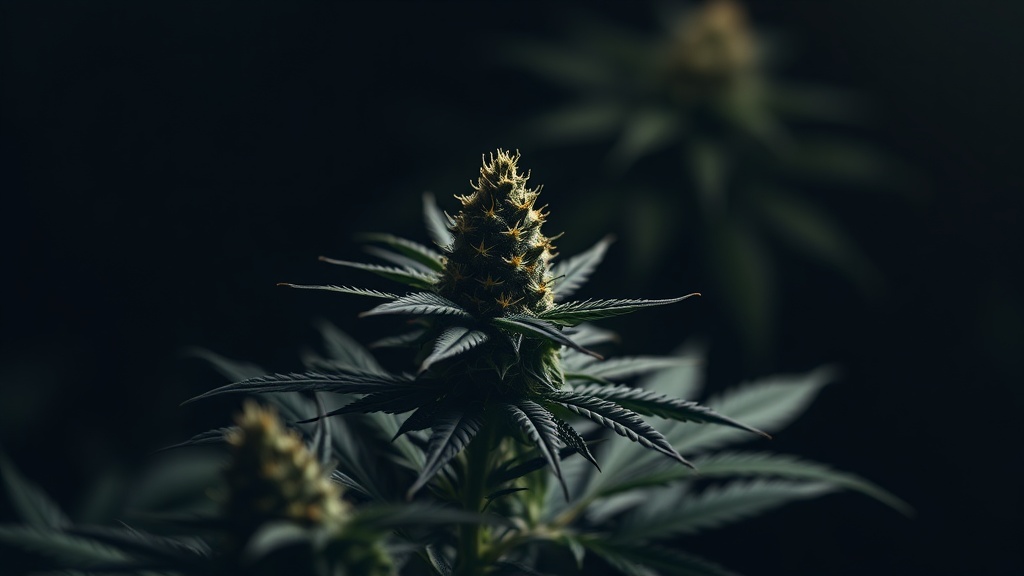
Complete Guide to Cannabis Terpenes: How to Grow for Maximum Flavor and Potency
This is your complete guide to cannabis terpenes — the aromatic compounds that define how your weed smells, tastes, and ultimately hits. Terpenes aren't just about flavor. They interact with cannabinoids to shape the entire effect profile of a strain, a phenomenon known as the entourage effect. Whether you're growing Sour Diesel for its fuel-forward punch or chasing the berry sweetness of Blueberry, understanding terpenes is what separates average harvests from exceptional ones. This guide covers genetics, environment, nutrition, stress techniques, harvest timing, and curing — in that order, because sequence matters.
What Are Cannabis Terpenes?
Terpenes are volatile organic compounds produced in the trichomes of cannabis — the same resin glands that produce THC and CBD. Over 200 terpenes have been identified in cannabis, but around a dozen dominate most commercial and craft varieties:
- Myrcene — earthy, musky; the most abundant terpene in most strains; associated with sedating effects
- Limonene — citrus, lemon; uplifting; found heavily in Sour Diesel and Super Lemon Haze
- Caryophyllene — spicy, peppery; the only terpene that binds to CB2 receptors; anti-inflammatory
- Linalool — floral, lavender; calming; dominant in strains like Lavender and Do-Si-Dos
- Pinene — pine, fresh; bronchodilator; may counteract short-term memory effects of THC
- Terpinolene — floral, herbal, slightly fruity; common in Jack Herer and Ghost Train Haze
- Ocimene — sweet, woody; found in OG Kush phenotypes
If you want to understand the full chemical picture, our Cannabis Testing: The Complete Guide covers how labs measure terpene percentages and what those numbers mean.
Step-by-Step Guide to Maximizing Terpene Production
Step 1: Start With High-Terpene Genetics (Week 0)
No technique compensates for mediocre genetics. Select strains with documented terpene profiles above 2% total on lab tests. Reliable high-terpene cultivars include:
- Sour Diesel — high limonene and myrcene; fuel + citrus profile
- OG Kush — myrcene, caryophyllene, limonene; complex earthy-citrus
- Blueberry — myrcene, pinene, caryophyllene; sweet berry forward
- Gelato — caryophyllene, limonene, humulene; dessert-sweet with fuel
Source seeds or clones from reputable breeders. Feminized seeds from stable, in-house genetics will express terpene profiles more consistently than bag seed or unknown clones. See our guide on How to Plant Germinated Cannabis Seeds for seed-to-soil basics.
Step 2: Dial In Environment During Veg (Weeks 1–4)
Terpene glands begin developing early. Environmental consistency during veg sets the foundation for trichome density in flower.
- Temperature (daytime): 70–85°F (21–29°C)
- Temperature (nighttime): 10°F / 5.5°C lower than daytime
- Relative Humidity: 50–70%
- Lighting: Full-spectrum LED or HID; 18/6 light schedule
- CO₂: 1,000–1,200 ppm in sealed rooms for accelerated growth
Common mistake: Running temps above 85°F during veg. Heat degrades terpene precursors before they even reach the flower stage. If your room runs hot, add a second exhaust fan rather than sacrificing terpene potential.
Step 3: Train for Canopy Efficiency (Weeks 2–4 Veg)
Low-stress training (LST) increases light penetration to more bud sites, which directly boosts terpene-producing trichome density across the whole plant — not just the top cola. Bend main branches outward at 45–90° angles and secure with soft ties or clips. Start LST when plants have 4–6 nodes.
For growers who want higher yields alongside better terpene distribution, topping creates multiple main colas with equal light exposure. Our detailed guide on How to Top Cannabis Plants Multiple Times covers when and where to cut for maximum branching.
Step 4: Manage Nutrients for Terpene Synthesis (Weeks 5–8 Flower)
Terpenes are built from carbon skeletons — they're not nitrogen-hungry like vegetative tissue. Dial back nitrogen hard as you enter mid-flower and shift emphasis to phosphorus, potassium, and micronutrients:
- Weeks 1–3 flower: Standard bloom feed — moderate P/K, reduce N by 50%
- Weeks 4–6 flower: Full bloom — high P/K, minimal N, maintain calcium and magnesium at 150–200 ppm each
- Weeks 6–8 flower: Add sulfur at 15–20 ppm. Sulfur is a precursor to sulfur-containing terpene compounds and is especially impactful in strains like Sour Diesel where thiols contribute to the fuel note
- Final 7–10 days: Flush with plain pH-adjusted water (6.0–6.5 soil, 5.8 hydro) to clear residual salts
Common mistake: Continuing high-nitrogen feeds into mid-flower. Excess nitrogen forces the plant toward vegetative tissue production and suppresses terpene synthesis. If leaves stay dark green past week 4 of flower, you're overfeeding nitrogen.
Step 5: Apply Controlled Stress in Late Flower (Weeks 6–8)
Mild, targeted stress signals the plant to ramp up terpene and resin production as a defense mechanism. Three techniques with the most evidence:
- Temperature drop at night: Lower nighttime temps to 62–65°F (16–18°C) during weeks 6–8 of flower. This 10–15°F differential from daytime mimics the natural late-season environment that triggers terpene accumulation. It also promotes purple coloration in anthocyanin-rich strains.
- UV-B light supplementation: Introduce UV-B lamps (280–315 nm) for 2–4 hours daily during the final two weeks of flower. Research supports a 25–35% increase in terpene production under UV-B exposure. Keep UV-B sources 18–24 inches from the canopy to avoid light burn.
- Reduce humidity to 40–45% RH: Lower RH in the final 2 weeks forces trichome production as a moisture-regulation mechanism and reduces mold risk simultaneously.
Common mistake: Over-stressing with high-stress techniques like super cropping in late flower. Broken or snapped stems in week 6+ redirect plant energy to repair, not terpene production. Keep high-stress training to veg only.
Step 6: Harvest at Peak Terpene Window
Terpenes peak when trichomes are 70–80% milky/cloudy with 10–20% amber. At this point, THC is at or near its peak and terpene concentrations are highest before degradation begins. Amber trichomes indicate THCa is converting to CBN — terpenes degrade alongside this process.
Use a 60–100x jeweler's loupe or digital microscope. Check trichomes on sugar leaves adjacent to buds — the calyx trichomes give the most representative reading. Harvest strains like OG Kush on the earlier side (fewer amber) to preserve limonene's bright citrus profile; harvest indicas like Blueberry slightly later for more sedating myrcene expression.
Step 7: Dry Slowly to Lock In Terpenes
Terpenes are volatile — they evaporate rapidly at high temperatures and with fast airflow. Most of the terpene loss in commercial cannabis happens in the first 72 hours after harvest if drying conditions are wrong.
- Temperature: 60–70°F (15–21°C) — never above 75°F
- Humidity: 45–55% RH
- Airflow: Passive circulation only — no fans blowing directly on buds
- Light: Complete darkness — UV light degrades terpenes and cannabinoids
- Duration: 10–14 days for whole-branch drying; 7–10 days for bucked individual buds
Whole-branch hang drying (cutting the entire plant and hanging it upside down) consistently produces better terpene retention than bucking buds immediately at harvest. The extra plant material slows moisture migration and gives terpenes more time to stabilize.
Step 8: Cure in Airtight Containers (Weeks 1–8 Post-Harvest)
Curing continues enzymatic reactions that convert chlorophyll and sugars into compounds that make smoke smoother — and it allows terpene profiles to fully mature and integrate. The minimum effective cure is 2–3 weeks; 6–8 weeks produces noticeably better aroma complexity on strains like Gelato or OG Kush.
- Place dried buds in wide-mouth glass mason jars at 62–65% RH (use Boveda 62 packs)
- "Burp" jars daily for the first 2 weeks — open for 10–15 minutes to release CO₂ and moisture
- Reduce burping to every 3–4 days in weeks 3–4
- After week 4, seal and store in a cool, dark location at 60–65°F
Common mistake: Rushing the cure by using a dehydrator or putting buds in a bag. Any shortcut that pushes RH below 55% rapidly will collapse trichome heads and volatilize your most delicate terpenes.
The Entourage Effect: Why Terpenes Matter Beyond Smell
Terpenes don't just smell good — they modulate how THC and CBD interact with your endocannabinoid system. Myrcene increases cell permeability, potentially amplifying THC uptake. Limonene appears to elevate serotonin activity. Caryophyllene activates CB2 receptors directly, making it functionally cannabinoid-like. This is why two strains at identical 25% THC can feel completely different — the terpene profile shapes the experience. If you're selecting strains for specific effects, check our guide to Best Strains for Depression and Anxiety or Best Strains for Pain and Inflammation which both factor in terpene profiles alongside cannabinoids.
Quick Reference: Terpene Production Checklist
- Select high-terpene genetics (verified lab results above 2% total terpenes)
- Maintain 70–85°F daytime / 60–65°F nighttime with 10°F differential
- Use full-spectrum LED or HID lighting throughout; add UV-B the final 2 weeks
- Keep RH at 50–70% veg, drop to 40–50% in flower
- Apply LST in weeks 2–4 of veg for canopy evenness
- Shift to low-nitrogen, high-P/K bloom nutrients from week 1 of flower
- Add sulfur at 15–20 ppm weeks 6–8 of flower
- Harvest at 70–80% cloudy trichomes with 10–20% amber
- Dry whole-branch at 60–70°F / 45–55% RH for 10–14 days in darkness
- Cure in glass jars at 62–65% RH for a minimum of 3 weeks, burping daily
Follow these ten steps consistently and you'll see a measurable difference in aroma intensity, flavor depth, and effect quality in every harvest. Terpene production is highly responsive to environment — the genetics set the ceiling, but your technique determines how close you get to it.
More from StrainGuide
Track Your Grow with GrowGuide
Free grow journal app — log feedings, track stages, snap progress photos, and connect with growers.
Get GrowGuide FreeHave a question about this topic?
Ask our AI Bud Tender — powered by the same assistant in the StrainGuide app.