Blue Cannabis Strains: The Complete Guide
TL;DR
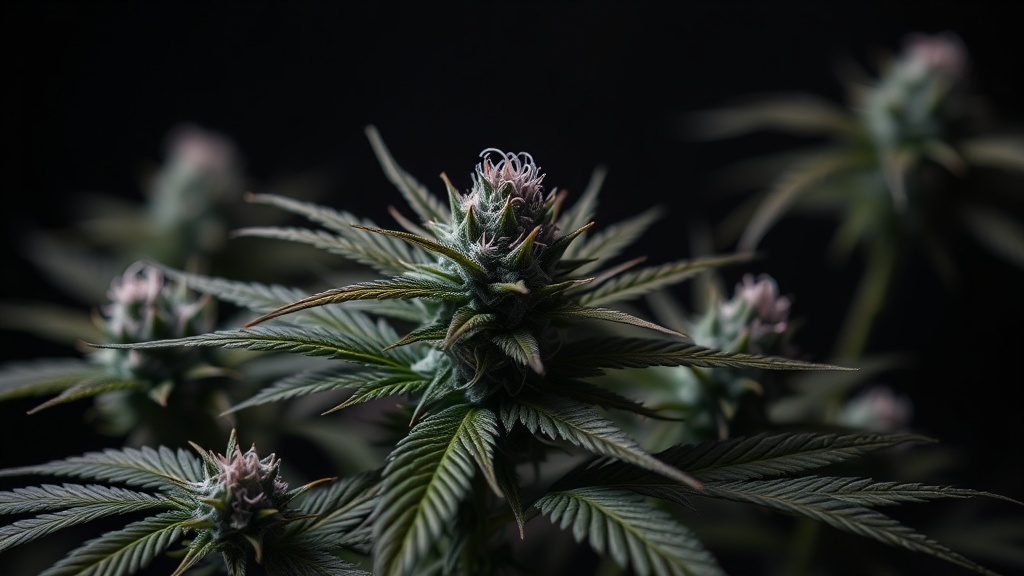
"Blue" strains are some of the most iconic in cannabis — from the legendary Blue Dream to the funky Blue Cheese and the classic Blueberry. They share berry-forward terpene profiles, often express stunning purple-blue hues under cool temperatures, and deliver effects ranging from euphoric daytime focus to deep body relaxation. This guide covers the best blue strains, what makes them blue, how terpenes shape their flavor, and how to grow them to their full potential.
What Makes a Cannabis Strain "Blue"?
The word blue in cannabis strain names can mean two different things — and sometimes both at once. First, it can refer to flavor: a blueberry, berry, or cool fruit character driven by specific terpene combinations. Second, it can refer to color: the actual blue, indigo, and violet hues that appear in leaves, calyxes, and buds of certain cultivars. Understanding both will make you a smarter consumer and a better grower.
Blue Pigmentation: Anthocyanins Explained
The blue and purple colors in cannabis come from water-soluble pigments called anthocyanins — the same compounds that make blueberries blue and red cabbage purple. Cannabis plants produce anthocyanins in response to cooler temperatures (typically below 60°F / 15°C at night) and lower light intensity during late flower. Strains with genetic predisposition to anthocyanin production — like Blueberry, Blue Moonshine, and Blue Zkittlez — will express vivid blue-purple coloration when environmental conditions are right.
Anthocyanins are pH-sensitive: acidic conditions produce red hues, neutral produces purple, and alkaline produces blue. This is why two plants from the same seed batch can express different color intensities depending on their growing medium and watering pH.
Blue Flavor: The Role of Terpenes
The berry and blueberry flavor in "blue" strains comes primarily from myrcene, caryophyllene, and in some cultivars, linalool and ocimene. Myrcene provides that earthy-fruity base, while certain phenotypes express detectable amounts of alpha-terpineol, which contributes a floral, almost berry-like nuance. True blueberry aroma is rare — most strains achieve it through layered terpene combinations rather than a single compound. Check out our Complete Guide to Cannabis Terpenes for a deeper breakdown.
Top Blue Cannabis Strains You Should Know
1. Blue Dream
Blue Dream is arguably the most consumed strain in North America. A cross of Blueberry × Haze, it's a sativa-dominant hybrid with THC levels typically running 17–24%. Effects are uplifting, creative, and euphoric with a light body buzz that doesn't sedate — making it ideal for daytime use. It smells of sweet blueberry and fresh earth, with a smooth, berry-sweet smoke. Yield is generous: 400–500g/m² indoors, with a 9–10 week flower time.
2. Blueberry (DJ Short)
The OG blue strain. DJ Short's Blueberry has been winning awards since the 1970s and is the genetic backbone of dozens of modern blue cultivars. It's indica-dominant, delivering a relaxed, euphoric, and stress-relieving experience. THC sits at 15–20%, and the flavor is intensely fruity — like actual blueberry jam. Known for exceptional blue-purple color expression and moderate yields (350–450g/m² indoors). Flower time: 8–9 weeks.
3. Blue Cheese
Blue Cheese crosses Blueberry × UK Cheese, producing one of the most distinctive flavor profiles in cannabis: pungent cheese funk layered with sweet berry. It's indica-dominant with a relaxing, body-heavy effect and THC in the 15–20% range. Great for evenings and stress relief. Grows compact, finishes in 8–9 weeks, and is highly resistant to mold — good for humid climates.
4. Blue Zkittlez
A newer entry crossing Blue Diamond × Zkittlez. Blue Zkittlez pushes anthocyanin expression to the extreme — properly grown plants turn almost entirely indigo-blue. THC can reach 22–26%. Effects are balanced: initial euphoria gives way to full-body relaxation. Flavor is candy-sweet with a deep berry undertone. If you want the most visually striking blue plant in your garden, this is your pick.
5. Blue Moonshine
Another DJ Short creation, Blue Moonshine is a near-pure indica with sedating, couch-lock effects. THC is moderate at 14–18%, but the body effect punches well above its weight. Excellent for insomnia — see our Best Cannabis Strains for Sleep guide. It produces striking blue hues in cool conditions and has a complex, earthy-blueberry-vanilla aroma from its linalool-heavy terpene profile.
6. Blue Gelato 41
A cross of Blueberry Muffin × Gelato 41, this hybrid packs up to 25–27% THC. Effects are fast-hitting, cerebral, and deeply relaxing. The flavor blends creamy dessert sweetness with a sharp blueberry note. Flower time is 8–9 weeks with dense, heavy buds. For more on the Gelato side of the family, read our Gelato 41 Complete Guide.
Blue Strain Terpene Profiles
Most blue strains share a recognizable terpene signature centered on myrcene. Here's how the dominant terpenes typically compare across the most popular blue cultivars:
Myrcene dominates, contributing earthy musk, fruit, and the characteristic "couch-lock" sedation effect when present in high concentrations. Caryophyllene adds a spicy, woody edge and binds to CB2 receptors — contributing anti-inflammatory and stress-relieving effects. Linalool softens the profile with floral lavender notes and enhances anxiolytic properties, making many blue strains particularly good choices if you're dealing with anxiety. See our Best Cannabis Strains for Anxiety guide for more.
Effects Across the Blue Spectrum
Blue strains cover the full effect spectrum. On the sedating end, Blue Moonshine and Blue Cheese are excellent evening choices for pain, insomnia, and deep relaxation. In the middle, classic Blueberry and Blue Zkittlez offer balanced euphoria. On the energizing end, Blue Dream remains the go-to for creative work, social situations, and daytime productivity without anxiety. Most blue strains share a mood-lifting, mildly euphoric onset regardless of their indica/sativa lean — thanks largely to their linalool and myrcene combination.
Growing Blue Strains: Key Tips
How to Maximize Blue Color Expression
If you want those gorgeous blue-purple hues, you need to trigger anthocyanin production. The most reliable method: drop nighttime temperatures to 55–62°F (13–17°C) during the last 2–3 weeks of flower. Don't go lower than 50°F or you risk stressing the plant and stalling resin production. Only strains with the genetic predisposition will respond — Blue Zkittlez, Blueberry, and Blue Moonshine are your best bets. Blue Dream will show minimal color change regardless of temperature.
Indoor vs. Outdoor Growing
Most blue strains were developed in the Pacific Northwest and thrive in cooler climates. Outdoors in northern latitudes (above 45°N), autumn nights naturally trigger color expression. Indoors, you have full control — use a dedicated cooling cycle in your final few weeks. Blue strains generally prefer:
- VPD: 0.8–1.2 kPa in veg, 1.2–1.6 kPa in flower
- pH: 6.0–6.8 in soil (stay closer to 6.5 for best anthocyanin expression), 5.8–6.2 in hydro
- Nutrients: Moderate feeder — reduce nitrogen at flip, push phosphorus and potassium in weeks 4–8 of flower
- Training: Blue Dream responds exceptionally well to LST and SCROG; Blueberry stays naturally compact
For indoor growing fundamentals, see our How to Grow Cannabis Indoors: Beginner's Guide.
Harvest Timing for Blue Strains
Blue strains tend to be ready when trichomes show 10–20% amber. Harvesting too early loses the characteristic body effect and fruity depth of flavor — the terpene profile hasn't fully developed. Use a jeweler's loupe or digital microscope to check trichome color. Blueberry and Blue Cheese both benefit from waiting until amber is clearly visible. Blue Dream can be harvested slightly earlier (5–10% amber) to keep the sativa uplift intact. Our Trichome Harvest Guide explains exactly what to look for.
Common Issues with Blue Strains
- Magnesium deficiency: Interveinal chlorosis that can be mistaken for normal autumn color change — watch for it in high-anthocyanin phenotypes. See our Cannabis Nutrient Deficiency Chart Guide.
- Mold in dense colas: Blue Dream produces particularly large, dense colas that need good airflow. Run fans and keep RH below 50% in late flower.
- Stretching: Blue Dream can stretch 200–300% after flip. Top early or use aggressive LST. Read our guide on How to Top Cannabis Plants Multiple Times.
Best Blue Strains by Use Case
| Use Case | Best Blue Strain | Why |
|---|---|---|
| Daytime creativity | Blue Dream | Uplifting sativa-dominant, no sedation |
| Sleep & insomnia | Blue Moonshine | Heavy indica sedation, linalool-rich |
| Pain relief | Blue Cheese | Strong body effect, high caryophyllene |
| Anxiety & stress | Blueberry (DJ Short) | Calming, balanced euphoria, linalool |
| Flavor experience | Blue Gelato 41 | Intensely complex berry-cream profile |
| Visual showpiece grow | Blue Zkittlez | Most vivid blue/indigo color expression |
Final Thoughts on Blue Cannabis
Whether you're chasing the blueberry flavor of DJ Short's classic, the balanced day-high of Blue Dream, or the visually stunning indigo buds of Blue Zkittlez — blue cannabis strains offer some of the most consistent, rewarding experiences in the plant kingdom. The combination of myrcene-forward terpenes, anthocyanin genetics, and broad effect range makes this one of the most versatile strain families you'll encounter. Start with Blue Dream if you're new to the family; graduate to Blueberry or Blue Moonshine when you want to go deeper. You won't be disappointed.
More from StrainGuide
Have a question about this topic?
Ask our AI Bud Tender — powered by the same assistant in the StrainGuide app.