Jealousy Strain: Effects, Terpenes & Potency Breakdown
TL;DR
Jealousy is a balanced hybrid from Seed Junky Genetics, crossing Gelato 41 with Sherbert. It tests between 25–33% THC with a terpene profile dominated by myrcene, caryophyllene, and limonene. Effects are euphoric and relaxing without knocking you flat — ideal for evening use or creative downtime. It's a moderately challenging grow with above-average yields and a dense, resinous structure that makes it a favorite among concentrate producers.
What Is the Jealousy Strain?
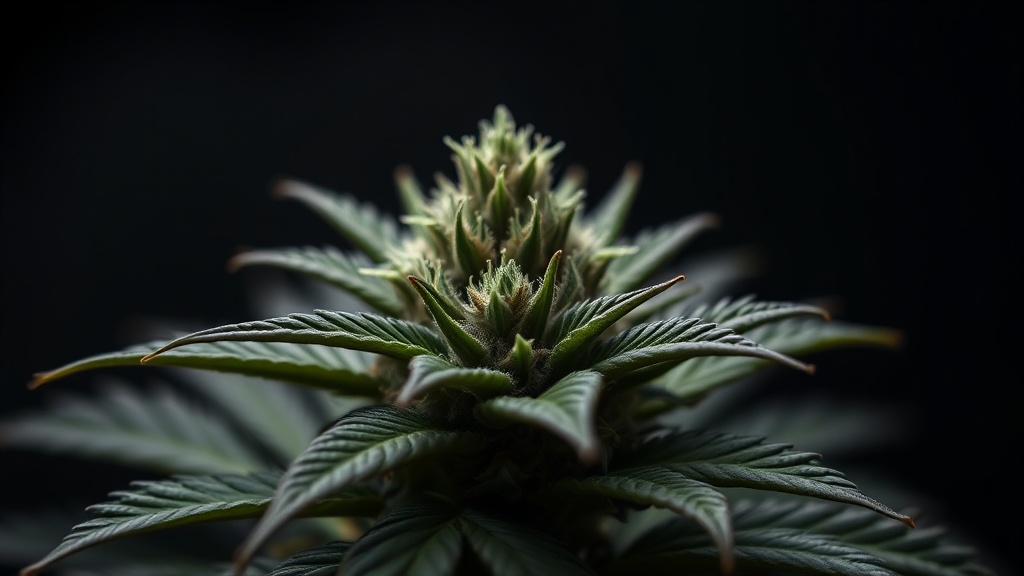
Jealousy is one of the most talked-about hybrids to come out of the modern California breeding scene. Bred by Seed Junky Genetics — the same crew behind Wedding Cake and Kush Mints — Jealousy crosses Gelato 41 with Sherbert, stacking two powerhouse dessert genetics into one dense, resinous package. The result is a strain that earns its name: once people try it, they want it for themselves.
Since hitting the California market around 2020–2021, Jealousy has become a dispensary staple and a regular on competitive grow circuits. It's won or placed in multiple cannabis cups and consistently earns high marks for flavor, potency, and bag appeal. If you've seen jars of ultra-dense, purple-tinged buds with a creamy, gassy aroma on a top shelf, there's a good chance you were looking at Jealousy.
Jealousy Strain Genetics
The lineage here is clean and well-documented:
- Gelato 41 (Thin Mint GSC × Sunset Sherbet) — contributes the sweet, creamy backbone and heavy resin production. Read our deep dive at /blog/gelato-41-strain-the-complete-guide/.
- Sherbert (Girl Scout Cookies × Pink Panties) — adds fruit, earthiness, and the relaxing body element that keeps this strain grounded even at high THC levels.
The combination produces a 50/50 hybrid in phenotype expression, though many cuts lean slightly indica-dominant in their physical effects. Seed Junky has also released a Jealousy Mints and Jealousy BX backcross, expanding the line for breeders chasing specific terpene or structure traits.
THC & Cannabinoid Profile
Jealousy regularly tests between 25% and 33% THC, with most dispensary cuts landing around 28–30%. CBD content is below 0.1% across the board — this is not a balanced or therapeutic ratio strain. CBG is present in trace amounts (typically 0.3–0.6%), which some growers believe contributes to the clear-headed quality of the high at moderate doses.
The potency is genuine. Unlike some strains that hit 30%+ on paper but deliver a flat experience, Jealousy's high THC pairs with its terpene stack to create a synergistic effect that feels more potent than numbers alone suggest. New consumers should approach this one with caution and use our Dosage Calculator to dial in a comfortable starting point.
Jealousy Terpene Profile
The terpene profile is one of Jealousy's strongest selling points. It's rich, complex, and unusually balanced between calming and stimulating compounds. The dominant three are myrcene, caryophyllene, and limonene — a combination that explains both the flavor and the effect ceiling.
- Myrcene — The dominant terpene, contributing the earthy, herbal muskiness underneath Jealousy's creamy top notes. Myrcene enhances sedation and body relaxation at high concentrations. Explore more at our Terpene Explorer.
- Caryophyllene — Adds a peppery, slightly spicy kick and interacts with CB2 receptors, providing anti-inflammatory properties without psychoactivity. A key reason Jealousy is favored for stress and tension relief. See our full Guide to Cannabis Terpenes.
- Limonene — Brings brightness to an otherwise earthy profile. Responsible for the citrus uplift in the high and the mood-elevating ceiling you feel in the first 15–20 minutes.
- Linalool — Floral and calming, rounds off the experience as the high deepens.
- Ocimene — Trace amounts add a faint sweet, herbal quality to the nose.
Flavor & Aroma
Jealousy's aroma is best described as creamy gas with fruit undertones. Break the buds open and you get an immediate hit of sweet, almost vanilla-like creaminess from the Gelato heritage, followed by a gassy, earthy undertone that deepens as it warms in your hand. On the exhale, most people pick up notes of citrus cream, herbal spice, and a lingering sweetness that coats the palate.
It's distinctly dessert-adjacent without being cloying. If you enjoy strains like Gelato 33 or Bacio Gelato, the Jealousy flavor profile will feel familiar — but with more gas and less pure sweetness.
Jealousy Strain Effects
Jealousy delivers a two-phase experience that most users describe as the ideal evening companion. The onset is fast — within 5 minutes of smoking you'll feel a cerebral uplift and mood elevation driven by the limonene. This euphoric phase typically lasts 20–40 minutes and is characterized by creative thinking, chattiness, and a mild energetic buzz.
From there, the myrcene and linalool take over and the body relaxation deepens. This is where Jealousy earns its reputation as a "couch-optional" strain — you're relaxed but not locked, calm but not sedated. At higher doses (or with lower tolerance), couch lock is absolutely possible.
Common reported effects:
- Euphoria — near-universal, onset within 5 minutes
- Body relaxation — deep muscle ease without total sedation at moderate doses
- Creative focus — many users report good creative output in the first phase
- Stress relief — the caryophyllene and linalool combination makes this highly effective for mental tension
- Appetite stimulation — munchies are real with this one; myrcene dominance is likely responsible
Potential negatives at high doses: dry mouth, dry eyes, and occasional anxiety in highly sensitive consumers. The high THC ceiling means pacing matters. If you're prone to cannabis anxiety, our article on how to choose the right strain for anxiety is worth a read before diving in.
Growing the Jealousy Strain
Jealousy is a moderately challenging grow — not recommended for absolute first-timers, but very achievable for anyone who has completed one or two harvests. It rewards growers who understand canopy management and environmental control.
Key Growth Characteristics
- Structure: Medium height (80–110cm indoors), bushy lateral branching, very dense node spacing
- Flowering time: 8–9 weeks indoors; harvest outdoors mid-October in the Northern Hemisphere
- Yield: 450–550g/m² indoors under optimized conditions; 600g+ per plant outdoors
- Difficulty: Intermediate — responds well to topping and LST but can be sensitive to humidity in late flower
Growing Tips
Top early and often. Jealousy responds exceptionally well to topping, and running 6–8 main colas dramatically improves light penetration and final yield. Aim to top at the 4th–5th node during veg.
Watch your humidity in weeks 6–8 of flower. The dense bud structure that makes Jealousy so appealing is also its biggest vulnerability — it's highly susceptible to botrytis (bud rot) if you let relative humidity exceed 45–50% during late flowering. Keep airflow strong and defoliate lower bud sites aggressively at the flip.
Feed heavy nitrogen in veg, then transition hard. Jealousy is a moderate-to-heavy feeder in vegetative and early flower. A full EC of 2.0–2.5 during peak flower is appropriate for experienced growers. Flush cleanly for the final 10–14 days to protect the flavor profile — the terpene quality is directly linked to a proper finish. Track your full grow schedule with our Grow Schedule Planner.
Try the Grow Schedule Planner →
Temperature swings for color. If you want the purple and lavender hues that Jealousy is known for, drop night temps to 60–64°F (15–18°C) in the final 2–3 weeks. This activates the anthocyanin expression responsible for the visual bag appeal. See our guide on purple cannabis strains and the science behind the color.
Harvest timing: Check trichomes under a loupe or microscope. For Jealousy, the ideal window is when ~20% of trichomes have turned amber — this produces the balanced euphoric-relaxing effect the strain is known for. Full cloudy-only harvests produce a more cerebral, racy effect that doesn't match the strain's reputation. Use our trichome harvest guide if you're unsure.
For drying and curing, a 10–14 day hang dry at 60°F / 60% RH followed by a 30-day cure dramatically improves the flavor and smoothness. The creamy, gassy terpenes in Jealousy are volatile — rushing the process costs you flavor. Set your timeline with our Dry & Cure Timer.
Jealousy vs. Similar Strains
| Strain | THC% | Dominant Terpene | Effect Type |
|---|---|---|---|
| Jealousy | 25–33% | Myrcene | Euphoric / Relaxing |
| Gelato 41 | 22–27% | Caryophyllene | Relaxing / Creative |
| Ice Cream Cake | 23–28% | Limonene | Sedating / Heavy |
| Bacio Gelato | 24–29% | Myrcene | Euphoric / Body |
| Wedding Cake | 22–28% | Caryophyllene | Relaxing / Uplifting |
Jealousy sits closest to Bacio Gelato in effect character, but the higher THC ceiling and stronger gas notes make it a clear step up in intensity. If you want to compare these head-to-head, use our Strain Comparator.
Who Should Try Jealousy?
Jealousy is best suited for experienced cannabis consumers who want a high-THC evening strain with real flavor complexity. It's a go-to for:
- Stress and mental tension relief after demanding days
- Creative sessions where you want to stay functional but fully relaxed
- Concentrate and extract production — the resin yield is exceptional
- Social settings where you want something impressive to pass around
- Growers chasing competitive bag appeal and terpene density
If you're newer to cannabis or prefer lower-THC options, use our Strain Finder Quiz to find a better starting point — Jealousy's potency is genuinely no joke at 30%+.
Final Verdict
Jealousy earns its reputation. It's one of the most well-constructed hybrids of the modern California breeding era — genetically sound, terp-rich, visually striking, and potent enough to satisfy even tolerance-seasoned consumers. The Seed Junky Genetics pedigree shows clearly in every aspect of the strain, from its dense bud structure to the two-phase high that balances euphoria with deep physical relaxation. Growing it requires some experience and environmental discipline, but the payoff — both in the jar and in the experience — is among the best the current market has to offer.
More from StrainGuide
Have a question about this topic?
Ask our AI Bud Tender — powered by the same assistant in the StrainGuide app.