Orange Cannabis Strains: 2026 Guide
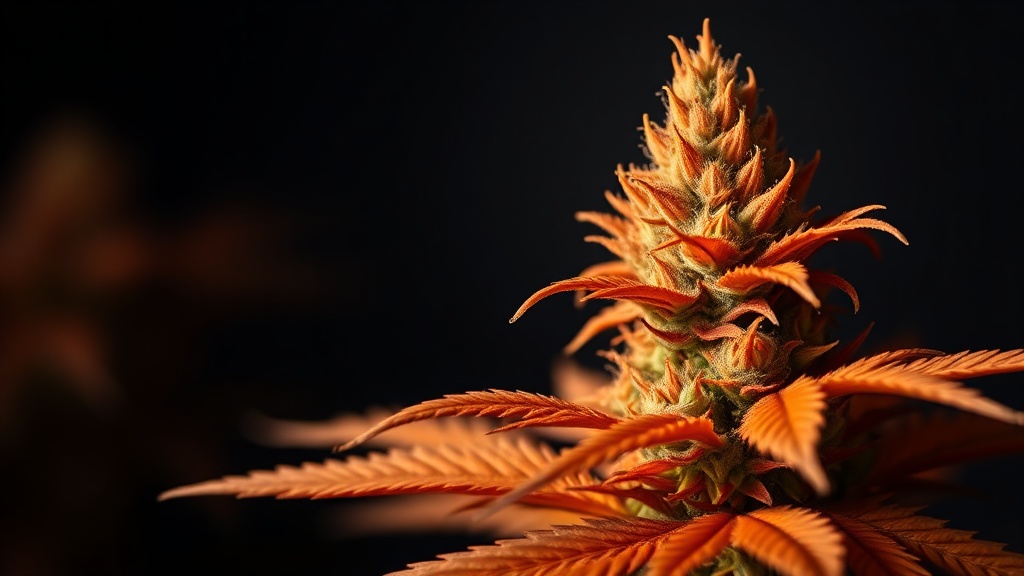
Orange Cannabis Strains: The Complete 2026 Guide
TL;DR: Orange cannabis strains are defined by bright citrus terpene profiles dominated by limonene and valencene, delivering uplifting, energetic effects with sweet, tangy flavor. Top picks include Agent Orange, Orange Sherbet, and Tangie. They're excellent for daytime use, creative sessions, and mood elevation. This guide covers what makes a strain "orange," the terpenes responsible, the best strains to try, and how to grow them.
What Makes a Cannabis Strain "Orange"?
When cannabis enthusiasts talk about orange strains, they're referring to a loose but well-understood category of cultivars that share one thing: a dominant citrus aroma and flavor that lands squarely in the sweet, tangy orange range. This isn't a genetic classification — it's a sensory and terpene-driven one. A strain earns the "orange" label when it consistently delivers that bright, juicy, almost candy-like citrus note you'd associate with fresh orange peel or an orange Creamsicle.
The experience goes beyond just taste. Orange-forward strains are almost universally associated with uplifting, cerebral effects. The terpenes responsible for those citrus notes — primarily limonene and valencene — have well-documented mood-elevating properties, which is why this strain category leans heavily sativa or sativa-dominant hybrid. If you're after daytime energy, creative focus, or a functional social buzz without heavy sedation, orange strains are one of the best categories to explore.
For a deeper dive into how terpenes shape your experience, check out our Complete Guide to Cannabis Terpenes.
The Key Terpenes Behind Orange Flavor
Understanding the terpene chemistry of orange strains helps you shop smarter, grow better, and know what to expect before you light up. Four terpenes do most of the heavy lifting:
- Limonene: The primary driver of citrus aroma in cannabis. Found in citrus fruit rinds, limonene delivers sharp, bright orange and lemon notes. It's strongly associated with elevated mood, reduced anxiety, and focused energy. THC-rich strains with high limonene content — above 0.5% — reliably hit differently than their terpene-poor counterparts.
- Valencene: Named after Valencia oranges, this is the terpene most directly responsible for a true orange (rather than lemon or lime) character. It's less common than limonene but present in standout orange strains like Tangie and Agent Orange. Valencene is sweet, warm, and slightly woody — it rounds out sharp citrus edges.
- Myrcene: Even in citrus-forward strains, myrcene often appears as a supporting terpene, adding an earthy, herbal base note that keeps the profile from tasting artificial. In lower amounts it preserves a sativa-leaning effect profile; high myrcene can push things sedative.
- Terpinolene: A common secondary terpene in orange strains, contributing floral, herbal, and slightly citrusy nuances. Terpinolene strains tend to be energetic and creative — Jack Herer is a famous example.
Use our Terpene Explorer to dig into specific terpene percentages across individual strains in the database.
Top Orange Cannabis Strains in 2026
These are the cultivars that define the orange category — proven genetics with consistent flavor delivery and well-documented effects.
1. Agent Orange
Agent Orange is the gold standard. A cross of Orange Velvet and Jack the Ripper, it delivers an intensely sweet orange candy aroma with creamy undertones. THC typically sits between 15–19%, making it accessible without being overwhelming. The high is focused, social, and euphoric — perfect for creative work or conversation. We have both a complete strain guide and a dedicated grow guide for Agent Orange if you want to get into cultivation specifics.
2. Tangie
Tangie is a California legend — a modern remake of the classic Tangerine Dream, crossed with Skunk-1. The valencene content is exceptionally high, giving it an almost tropical orange candy character that's hard to replicate. THC ranges from 19–22%. Effects are strongly uplifting, cerebral, and long-lasting. It's consistently one of the most-awarded citrus strains at competitive events, including multiple Cannabis Cup wins. Flowering time indoors is around 9 weeks.
3. Orange Sherbet
Orange Sherbet blends citrus brightness with a creamy, dessert-like finish. A cross of Orange Cream, Purple Urkle, and Cherry Pie, it tests around 18–21% THC and leans slightly indica. The effect profile is more balanced — euphoric but relaxing — making it a great evening option that still keeps you functional. Flavor is the main event here: orange, vanilla, and a touch of berry.
4. Orange Cookies
Orange Cookies brings GSC genetics into the citrus world. Sweet orange on the inhale, earthy cookie dough on the exhale. THC typically hits 20–23%. This is a hybrid that trends toward indica effects — deeply relaxing body high with a cerebral layer of euphoria. Growers appreciate its dense, resin-heavy buds and manageable 8–9 week flower time.
5. Mimosa
Mimosa (Clementine × Purple Punch) is one of the breakout strains of the last decade and remains hugely popular in 2026. Named after the brunch cocktail, it delivers sparkling citrus with berry undertones and a clear-headed, energetic high. THC regularly comes in above 22%. It's ideal for morning or afternoon use when you need to stay sharp.
6. Clementine
Clementine, a cross of Tangie and Lemon Skunk, is another high-limonene powerhouse. Pure citrus aroma with almost no earthy interference. Strongly sativa in effect — fast-onset, energetic, and mentally activating. Less sedation than most of the list. Good for anxiety at moderate doses; can increase racing thoughts at higher doses in sensitive users.
Effects Spectrum of Orange Strains
Growing Orange Strains: Key Tips
Most orange strains share a few cultivation traits worth knowing before you pop seeds:
Environment and Climate
Orange-forward genetics often originate from or were refined in California's warm, dry climate. Indoors, keep temperatures between 72–82°F (22–28°C) during the day and drop no more than 10°F at night to avoid stress. Humidity should be kept around 45–55% during flowering to protect the dense, resin-coated buds from mold — Tangie in particular is susceptible to botrytis if airflow is poor.
Feeding and Terpene Maximization
To maximize limonene and valencene expression, dial back nitrogen in weeks 4–5 of flower while ramping up phosphorus and potassium. Silica supplementation (50–100 ppm) from early veg through mid-flower strengthens cell walls and supports terpene production. Keep EC/TDS at the lower end of your target range in the final two weeks before flush — overfeeding late in flower consistently blunts citrus terpene profiles and leaves a harsh, chemical taste.
Check our Nutrient Deficiency Identifier if you run into yellowing or spotting mid-grow. Use the Grow Schedule Planner to build out your week-by-week feeding schedule from seed to harvest.
Try the Grow Schedule Planner →
Try the Nutrient Deficiency Identifier →
Training
Most orange sativas and sativa-leaning hybrids stretch significantly — expect 2–3x stretch after the flip to 12/12. LST (low-stress training) and topping during veg keeps height manageable and opens up the canopy for light penetration. Tangie especially benefits from early topping — aim for 4–6 main colas. For detailed topping technique, see our guide on how to top cannabis plants multiple times.
Harvest Timing
Harvest too early and you'll lose both potency and terpene maturity — limonene and valencene reach peak expression as trichomes transition from clear to cloudy milky white. A mostly milky head with 10–15% amber trichomes is the sweet spot for orange strains if you want the energetic, citrusy high to come through. Waiting for heavy amber shifts it sedative and mutes the citrus brightness. Use a 60–100x loupe or digital microscope and check our trichome harvest guide for a visual walkthrough.
Drying and Curing
Terpenes are volatile. Dry at 60–65°F (15–18°C) with 55–60% RH for 10–14 days — slow drying at these parameters locks in far more limonene than a fast 5-day hang. Then cure in sealed jars, burping 2–3 times daily for the first two weeks. A 4–6 week cure on a Tangie or Agent Orange can take the citrus aroma from sharp and fresh to complex and layered. Use our Dry & Cure Timer to track your drying and curing schedule precisely.
Orange Strains vs. Lemon Strains: What's the Difference?
Both categories are limonene-dominant, but they're not the same experience. Lemon strains — like Super Lemon Haze or Lemon OG — tend to have sharper, more acidic citrus profiles with a cleaner, almost antiseptic edge. Orange strains are warmer, sweeter, and creamier, thanks largely to valencene and the interplay with supporting terpenes like myrcene. Lemon strains can feel more racy and stimulating at high doses; orange strains tend to be smoother and more sociable. Both are excellent choices for daytime use — but if you want the full sweet citrus dessert experience, orange is where to look.
Not sure which is right for you? Try our Strain Finder Quiz to get personalized recommendations based on your desired effects and flavor preferences.
Best Uses for Orange Strains
- Morning/daytime sessions: The energizing, mood-lifting qualities make orange strains ideal before creative work, exercise, or social events.
- Anxiety and mood: Limonene has documented anxiolytic properties. For more strain options targeting anxiety, see our Best Cannabis Strains for Anxiety (2026).
- Flavor chasers: If you grow or consume primarily for terpene complexity, orange genetics consistently overdeliver. The flavor profile is immediately recognizable and crowd-pleasing.
- Social smoking: The clear-headed, chatty high of strains like Tangie and Mimosa makes them excellent choices for groups.
Quick Comparison: Top Orange Strains
| Strain | THC Range | Dominant Effect | Flower Time | Key Terpene |
|---|---|---|---|---|
| Agent Orange | 15–19% | Euphoric, focused | 8–9 weeks | Limonene |
| Tangie | 19–22% | Uplifting, cerebral | 9 weeks | Valencene |
| Orange Sherbet | 18–21% | Relaxed, happy | 8–9 weeks | Limonene |
| Orange Cookies | 20–23% | Relaxed, euphoric | 8–9 weeks | Caryophyllene |
| Mimosa | 22–27% | Energetic, clear-headed | 9–10 weeks | Limonene |
| Clementine | 19–23% | Stimulating, focused | 9 weeks | Terpinolene |
Final Verdict
Orange strains represent one of cannabis's most rewarding flavor categories — and one of the most reliable in terms of delivering on their promise. Whether you're after the classic tangy punch of Tangie, the smooth hybrid balance of Orange Sherbet, or the approachable, social vibe of Agent Orange, there's an orange cultivar for every preference and tolerance level. In 2026, the genetics available within this category are better than ever — newer Tangie crosses in particular are pushing valencene expression to new highs while maintaining manageable grow profiles.
If you're growing, prioritize slow drying, late-flush timing, and temperature control in flower. If you're shopping, look for strains that lab-test for both limonene and valencene — not just total THC. That combination is what separates a truly great orange strain from something that just smells vaguely citrusy under the bag.
More from StrainGuide
Have a question about this topic?
Ask our AI Bud Tender — powered by the same assistant in the StrainGuide app.