Apple Mac Strain: Complete Guide
TL;DR — Apple Mac at a Glance
Apple Mac is a high-powered hybrid cross of MAC 1 × Trophy Wife packing 24–29% THC. It delivers a creative, focused, energetic high with a distinctive apple-diesel-blueberry flavor profile. Dominant terpenes are myrcene, limonene, and caryophyllene. Flowering time sits at roughly 60 days with yields up to 525g/m². Best suited for intermediate growers and experienced consumers who want potency without the couch-lock.
What Is the Apple Mac Strain?
The Apple Mac strain is a hybrid cannabis variety bred from two elite modern genetics: MAC 1 (Miracle Alien Cookies) and Trophy Wife. The result is a strain that inherits MAC 1's legendary resin production and balanced euphoria, then layers in Trophy Wife's fruity complexity and focused cerebral energy. It sits as a near-balanced hybrid that leans slightly sativa in effect profile despite its dense, indica-shaped flowers.
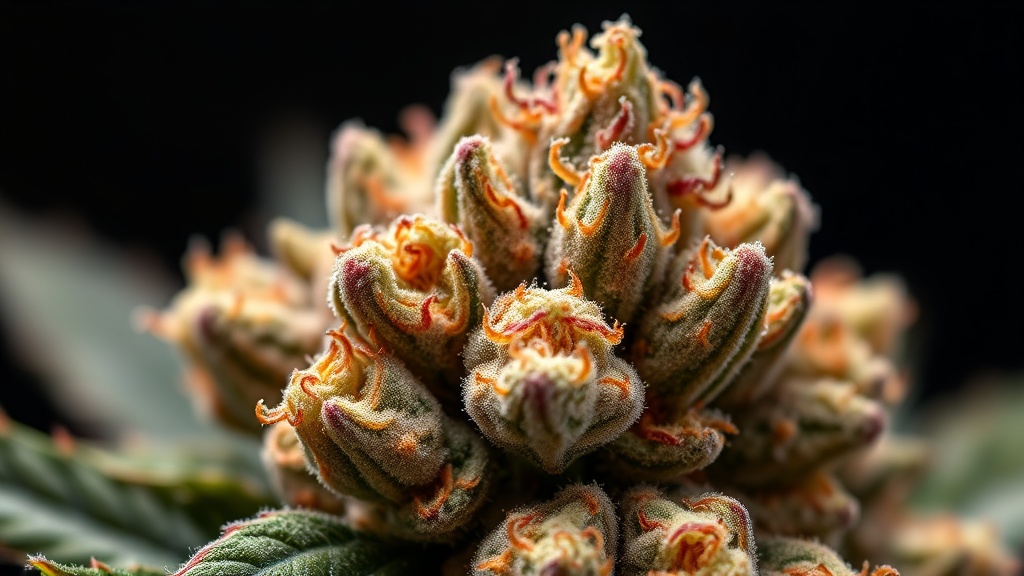
Apple Mac has built a strong reputation in dispensary menus across legal markets for its eye-catching trichome coverage and its unusually complex flavor — equal parts orchard fruit, sour diesel, and creamy floral. If you're already a fan of Apple Runtz or Apple Tartz, Apple Mac belongs on your radar for its extra horsepower and cerebral edge.
Apple Mac Strain Genetics & Lineage
Understanding Apple Mac means understanding its parents:
- MAC 1 (Miracle Alien Cookies): One of the most celebrated modern hybrids — a three-way cross of Alien Cookies, Starfighter, and Colombian. Known for exceptionally high THC, floral-diesel aromas, and a balanced, euphoric high.
- Trophy Wife: A potent hybrid known for fruity, apple-forward terpenes and uplifting effects. Contributes the strain's signature fruit character and focused energy.
The combination gives Apple Mac its outsized THC ceiling (some cuts test up to 30%), generous resin production, and the apple-meets-diesel terpene signature that makes it so recognizable.
Apple Mac Terpene Profile
Three primary terpenes define Apple Mac's experience. Understanding them helps you predict both aroma and effect. For a deeper dive on how terpenes work, check out our complete guide to cannabis terpenes.
- Myrcene (dominant): The heavy lifter here. Myrcene is the most common cannabis terpene and contributes earthy, musky depth alongside body relaxation. It's the reason Apple Mac doesn't feel like a wired, anxious sativa despite its THC levels.
- Limonene: Delivers the bright sour-citrus and apple notes on the nose and palate. Limonene is associated with mood elevation and stress reduction — it's a big reason users report relief from anxiety and depression.
- Caryophyllene: Adds a peppery, spicy bite to the exhale and brings potential anti-inflammatory properties. Caryophyllene is the only known terpene that binds to CB2 receptors, meaning it contributes to physical relief beyond just aroma.
Apple Mac Strain Effects
With THC consistently landing between 24–29%, Apple Mac is not a beginner strain. But what sets it apart from other high-THC cultivars is how wearable the high actually feels. Rather than sedating, it opens up creative thinking and sharpens focus before settling into a warm, relaxed body state.
Positive Effects
- Creative: Users consistently report enhanced lateral thinking and creative output — this is a studio or sketchpad strain, not a Netflix strain.
- Focused: Despite the potency, Apple Mac sharpens attention rather than scattering it, especially in the first hour.
- Energetic: A clean, motivated energy during the onset phase makes it a viable daytime option for experienced consumers.
- Euphoric & Relaxed: As the high progresses, myrcene-driven body relaxation layers in without turning sedating.
Potential Negative Effects
- Dry mouth is nearly universal — hydrate before you light up.
- Dry eyes affect a significant portion of users.
- Anxiety is possible at large doses given the 24–29% THC ceiling. Dose cautiously if you're THC-sensitive.
Apple Mac Strain: Medical Uses
Apple Mac has carved out a solid place in medical cannabis conversations, primarily because its terpene profile (limonene + myrcene + caryophyllene) aligns well with mood disorders. Based on user-reported data:
- Anxiety relief: 36% of Apple Mac users report meaningful anxiety reduction — limonene is a key driver here. See our guide to best cannabis strains for anxiety to compare alternatives.
- Depression: 21% of users find it helpful for depressive episodes, thanks to its mood-lifting euphoria and energizing onset.
- PTSD: 15% use it for PTSD symptom management — the calming body effect without heavy sedation makes it workable during daytime.
If you're exploring cannabis specifically for mood-related conditions, also check our roundup of the best strains for depression and anxiety.
Apple Mac Flavor & Aroma Profile
This is where Apple Mac earns its name and then some. On the nose, expect:
- Sour citrus and fresh apple upfront — bright, almost candy-like
- Diesel fuel underneath — a nod to MAC 1's Colombian and Starfighter heritage
- Blueberry and floral notes in the mid-notes
- Creamy sweetness on the exhale
The smoke is smooth for such a potent strain. The apple-diesel combination is genuinely unusual — fruity without being cloying, and gassy without being overwhelming. If you enjoy fruit-forward but complex strains, compare with Apple Pie or Apple Runtz for a flavor spectrum across the apple-themed family.
Growing the Apple Mac Strain
Apple Mac is classified as an intermediate-to-advanced grow. Its genetics favor robust, vigorous growth but demand environmental consistency to hit its full potential.
Key Growing Stats
| Metric | Details |
|---|---|
| Flowering Time | ~60 days (8–9 weeks) |
| Yield (Indoor) | Up to 525g/m² |
| THC Potential | 24–30% |
| Difficulty | Intermediate |
| Best Environment | Indoor (controlled climate) |
Training & Structure
Apple Mac grows with dense, heavy colas that can stress branches under their own weight. Training is essential:
- SCROG (Screen of Green): Highly recommended. Spreading the canopy early maximizes light penetration and supports bud sites evenly.
- LST (Low Stress Training): Start in veg at 3–4 weeks to open up the structure without shocking the plant.
- Topping: Top at the 5th or 6th node to encourage lateral branching and multiple main colas. More detail in our guide on how to top cannabis plants multiple times.
- Defoliation: Light defoliation at the flip to 12/12 and again at week 3 of flower improves airflow and reduces mold risk in those thick buds.
Environmental Requirements
- Temperature: 70–80°F (21–27°C) during lights-on; drop 8–10°F at lights-off in late flower to enhance terpene production and potential purple coloring.
- Humidity: Keep VPD in check — 55–65% RH in veg, drop to 40–50% in flower, and 35–40% in the final two weeks to protect dense buds from botrytis.
- Nutrients: Responds well to a moderate-to-heavy feed schedule. Watch for calcium and magnesium deficiencies under strong LED lighting. Use our cannabis nutrient deficiency chart guide if you spot issues.
Harvest Timing
Apple Mac's 60-day flower window is a guideline, not a guarantee. Always confirm readiness with a jeweler's loupe or digital microscope. You're looking for mostly cloudy trichomes with 10–20% amber for the balanced effect profile this strain is known for. For a detailed breakdown, see our trichome harvest guide. If you're new to growing, our indoor cannabis growing beginner's guide covers the full setup process.
Apple Mac vs. Similar Strains
How does Apple Mac stack up against its closest relatives and competitors?
- Apple Mac vs. MAC 1: MAC 1 is the parent — more floral and diesel-forward with a slightly lower THC ceiling in most cuts. Apple Mac adds fruit complexity and pushes the energy higher.
- Apple Mac vs. Apple Runtz: Apple Runtz is sweeter and more candy-like; Apple Mac has diesel depth and hits harder on THC.
- Apple Mac vs. Apple Pie: Apple Pie is more indica-leaning and sedating; Apple Mac is the daytime-capable version of the apple-strain family.
Who Should Try the Apple Mac Strain?
Apple Mac is ideal for:
- Experienced consumers looking for a 24%+ THC strain that doesn't sacrifice complexity for potency
- Creative professionals who want daytime focus and inspiration without heavy sedation
- Medical users targeting anxiety or depression who need something potent but manageable
- Intermediate growers ready to run a premium-genetics crop and optimize for yield and quality
It's not the best choice for THC-sensitive users, first-timers, or anyone prone to cannabis-induced anxiety — that 24–29% range is real, and the myrcene won't fully save you from a green-out if you overdo it.
Final Verdict
The Apple Mac strain earns its shelf space. It delivers on genetics (MAC 1 × Trophy Wife is a pedigree worth respecting), on flavor (the apple-diesel-blueberry profile is genuinely distinctive), and on effect (creative, focused, and euphoric without putting you on the couch). Yields up to 525g/m² at 60 days flowering make it commercially interesting for growers too. If you're chasing a high-THC hybrid that's more versatile than its potency suggests, Apple Mac should be next on your list.
More from StrainGuide
Have a question about this topic?
Ask our AI Bud Tender — powered by the same assistant in the StrainGuide app.