Apple Tartz Strain: The Complete Guide
What Is the Apple Tartz Strain?
The Apple Tartz strain is a balanced hybrid developed by Clearwater Genetics, created by crossing two of the most celebrated dessert strains of the modern era: Apple Fritter and Runtz. The result is a candy-forward, fruit-drenched cultivar that punches well above its weight class in both potency and flavor complexity. It earned the Leafly Strain of Summer title in 2022, cementing its reputation among enthusiasts who want a premium sensory experience alongside serious cannabinoid content.
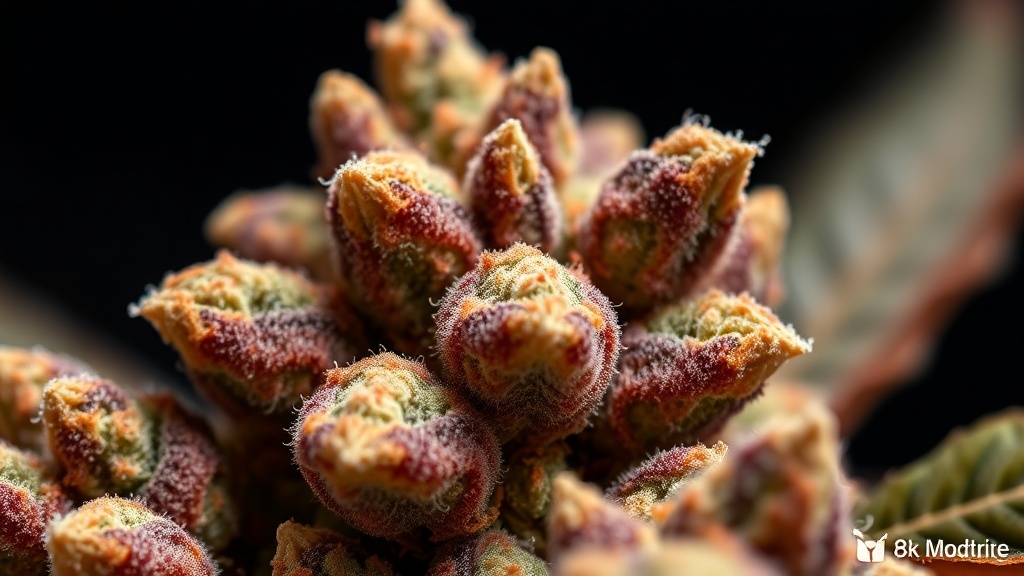
At its core, Apple Tartz inherits Apple Fritter's creamy, pastry-like depth and Runtz's signature sour candy sweetness — blended into something that genuinely smells and tastes like a tart green apple dusted with cinnamon and sugar. The high sits squarely in balanced hybrid territory: you get a mood-lifting euphoric head effect alongside progressive full-body relaxation, without either side taking over completely.
Apple Tartz Strain Genetics & Lineage
Breeder: Clearwater Genetics
Cross: Apple Fritter × Runtz
Classification: Balanced Hybrid (roughly 50/50)
Apple Fritter itself is a cross of Sour Apple and Animal Cookies — a strain celebrated for its dense, frosty structure and pastry-sweet terpene profile. Runtz, the other parent, brought the Zkittlez × Gelato lineage into the mix, delivering vibrant fruit candy notes and an unmistakable gas-and-cream finish. Combining these two created Apple Tartz: a strain where both genetic lines are clearly detectable, but the interaction between them produces something more nuanced than either parent alone. If you enjoy dessert-tier strains like Gelato or Biscotti, Apple Tartz will feel like a natural progression.
Apple Tartz Terpene Profile
The terpene content of Apple Tartz typically ranges between 1.5–2.8% total, which is on the higher end and directly responsible for its expressive flavor and aroma. The dominant trio is limonene, beta-caryophyllene, and myrcene — a combination that explains both the strain's bright citrus-fruit aroma and its deeper, spiced undertones.
- Limonene (0.4–0.9%): The lead terpene. Responsible for the bright, tart-citrus aroma and the uplifting, mood-elevating effects Apple Tartz is known for. It's the same terpene that drives strains like Agent Orange — see our Agent Orange grow guide for a limonene-heavy comparison.
- Beta-Caryophyllene (0.3–0.8%): Adds a spiced, peppery complexity beneath the fruit sweetness. Also a CB2 receptor agonist — the only terpene with direct cannabinoid-like activity — contributing to body relaxation and potential anti-inflammatory effects.
- Myrcene (0.2–0.6%): The classic sedation-associated terpene. At these levels it adds earthy depth and helps round out the body effect without tipping the strain toward couch-lock.
- Linalool (0.1–0.3%): Floral and slightly herbal, linalool layers in calm and stress reduction.
- Alpha-Pinene (0.05–0.2%): Minor but present — adds a faint forest-fresh brightness and may help offset short-term memory impairment at higher doses.
Apple Tartz Strain Effects
With THC averaging 22–27% (and select batches testing up to 32.6%), Apple Tartz is firmly in the high-potency category. New consumers should dose conservatively. For experienced users, the high is well-balanced — you'll feel the head effect first: a tingly, buzzy euphoria that clears mental fog and elevates mood. Over 20–40 minutes, a gentle body relaxation follows, settling into muscles and joints without dragging you into sedation.
Top reported positive effects:
- Tingly — a signature opening rush, often felt in the face and behind the eyes
- Euphoric — mood lifts noticeably, making it popular for social settings and creative work
- Relaxed — body settles without heavy sedation; still functional for most users
Potential negatives:
- Dry mouth — standard at high THC levels; stay hydrated
- Dizziness — mostly at high doses or for low-tolerance users
- Anxiety — can emerge if you overconsume; limonene-dominant strains can be activating
Apple Tartz Flavor & Aroma
This is where Apple Tartz really separates itself. The nose is immediately distinctive: tart green apple up front, like biting into a Granny Smith, followed by a waft of candy sweetness and a faint pastry-crust background. Break apart a nug and you get deeper layers — creamy berry gas from the Runtz side, hints of butter and cinnamon spice from the Apple Fritter genetics.
On the inhale, the dominant flavor is sour apple candy — bright, tangy, and sweet simultaneously. The exhale introduces more of the creamy, gassy notes with a subtle spice finish from the beta-caryophyllene. It's clean smoke that doesn't get harsh, and the flavor holds up well across multiple hits. If the dessert-strain flavor profile is your thing, also check out our guide to the Apple Pie strain for another fruit-forward comparison.
Apple Tartz Medical Uses
Based on Leafly user-reported data, Apple Tartz is most commonly reached for in three areas:
- Depression (25% of users): The limonene-heavy, euphoric effect profile makes it a natural choice for low-mood days. It elevates without overstimulating. For a broader view of strains in this category, see our best strains for depression and anxiety guide.
- Pain (19% of users): Beta-caryophyllene's CB2 activity and the myrcene body effect contribute to physical discomfort relief. See also our best strains for pain and inflammation roundup.
- Stress (19% of users): The linalool and caryophyllene combo with the mood-lifting head effect creates a solid stress-reduction package after a long day.
Growing the Apple Tartz Strain
Apple Tartz is considered a moderately experienced grow — not brutally demanding, but it rewards growers who put in the effort to manage its structure and environment properly.
Key Grow Stats
| Parameter | Detail |
|---|---|
| Flowering Time | 8–9 weeks |
| Yield | Moderate to high (training-dependent) |
| Height | Medium, with strong lateral branching |
| Climate | Stable, sunny; 70–80°F (21–27°C) |
| Humidity (veg) | 50–60% RH |
| Humidity (flower) | 40–50% RH |
Structure & Training
Apple Tartz plants grow to a medium height with notably strong lateral branching — a trait inherited from its Apple Fritter parent. This structure lends itself extremely well to low-stress training (LST) and topping. Opening up the canopy early in veg allows multiple bud sites to develop and improves light penetration to lower nodes. Our guide on how to top cannabis plants multiple times is worth reading before you start.
The dense bud structure means airflow management is critical in the last 3 weeks of flower. Keep humidity below 50% during late flower and consider defoliating any large fan leaves blocking interior bud sites around week 5–6 of flowering. Mold resistance is not this strain's strongest suit given the tight, resinous colas it produces.
Environment & Feeding
Apple Tartz prefers a stable, warm environment with plenty of direct light — 600W HPS or equivalent LED (around 50–60 PPFD per square foot) will produce excellent results. It's not a heavy feeder, but it does respond well to a phosphorus bump in weeks 4–7 of flower to support bud density and resin production. Keep EC between 1.8–2.2 during peak flowering. A late-cycle flush (final 10–14 days) will help express the full terpene profile in the final product — particularly those limonene notes.
If you're new to starting a grow from seed, our guide on how to plant germinated cannabis seeds covers the early stages in detail.
Apple Tartz vs. Similar Strains
If you enjoy Apple Tartz, these are the closest neighbors in the flavor-and-effect space:
- Apple Fritter — the parent strain; creamier and more indica-leaning, less tart candy brightness
- Runtz — the other parent; sweeter, more Zkittlez-forward, slightly less potent on average
- Gelato 41 — shares the creamy dessert base and high THC ceiling; more lavender/mint forward
- Mochi Gelato — similar balanced hybrid structure with fruity-sweet notes and strong euphoria
Where to Find Apple Tartz
Apple Tartz was originally produced by Clearwater Genetics, but given its popularity following the 2022 Leafly Strain of Summer recognition, many licensed producers have picked up the cultivar or released similar phenos. When shopping, look for lab-tested flower from reputable dispensaries — with a strain in this THC range (22–27%), batch variation is real. Prioritize seeing an actual terpene panel, not just a THC number. A batch testing high on limonene and caryophyllene will deliver the experience the strain is known for. Our cannabis testing guide explains exactly what to look for on a COA.
Final Verdict
The Apple Tartz strain earns its reputation as one of the best balanced hybrids of the current era. The flavor is genuinely exceptional — tart apple candy layered over creamy, gassy depth — and the effect delivers where it counts: euphoric and functional, relaxing without sedating. At 22–27% THC with a terpene profile that actively supports mood and body relief, it's a strain that works for afternoon creative sessions, social use, and wind-down hours alike. For growers, the 8–9 week flowering time and responsive training structure make it a rewarding cultivar that punches above its complexity level. It's a deserving classic.
More from StrainGuide
Have a question about this topic?
Ask our AI Bud Tender — powered by the same assistant in the StrainGuide app.