Apple Mints Strain: Complete Guide
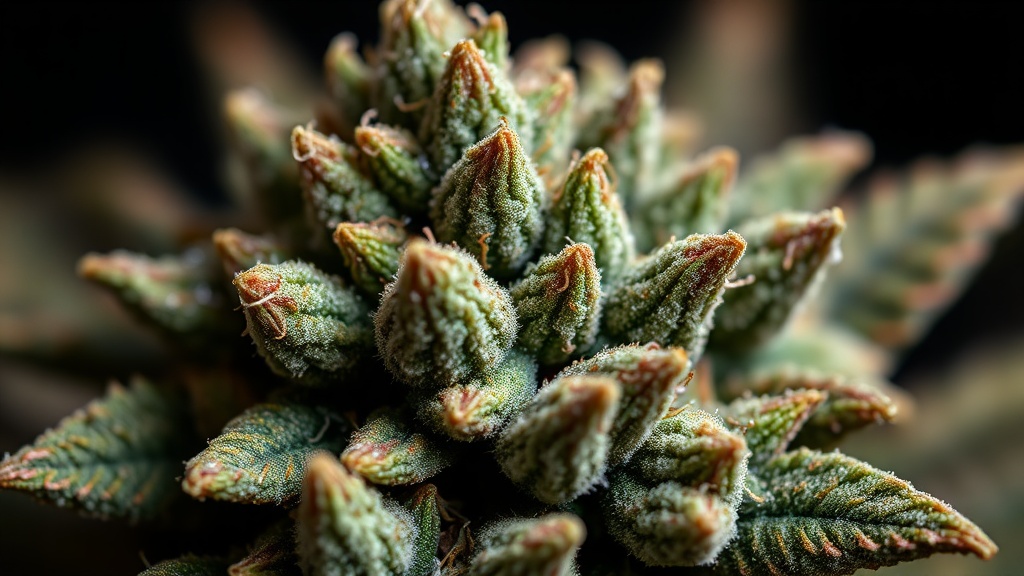
TL;DR — Apple Mints at a Glance
- Type: Indica-dominant hybrid
- THC: 18–25% (avg ~20%)
- CBD: Under 1% | CBG: ~1%
- Dominant Terpenes: Caryophyllene, Limonene, Myrcene
- Effects: Relaxing, talkative, euphoric — body-heavy with a clear head start
- Flowering Time: 8–9 weeks
- Best For: Evening use, stress relief, social relaxation
The Apple Mints strain (also sold as Apple Mintz) has quietly become one of the more talked-about indica hybrids on dispensary shelves. It combines fruity sweetness with a cool mint exhale and hits with the kind of full-body relaxation you'd expect from its Kush lineage — without completely knocking you out. Whether you're here because you spotted it at your local dispo or you're considering growing it, this guide covers everything: genetics, cannabinoids, terpenes, effects, and cultivation tips.
Apple Mints Strain Genetics
Apple Mints doesn't have a single locked-down genetic origin — multiple breeders have run with the concept, which explains why you'll see some variation between batches. The two most common crosses are:
- Apple Fritter × Kush Mints — The most widely recognized lineage, combining Apple Fritter's dessert-sweet profile with Kush Mints' icy, fuel-forward bite
- Sour Apple × Kush Mints — A slightly more tart, sour-leaning version with a sharper apple note
Notable breeders who've put out their own cuts include Raw Genetics and Tramuntana Seeds, each bringing slightly different phenotype expressions to the table. Kush Mints shows up in both lineages as the backbone — and it's responsible for the minty, cookie-like base that distinguishes this strain from other apple-themed hybrids. If you enjoy the Apple Runtz strain or the Apple Tartz strain, Apple Mints is very much in the same family tree.
Apple Mints Strain Cannabinoid Profile
Apple Mints sits solidly in the mid-to-high THC range. Here's what to expect from a typical tested batch:
| Cannabinoid | Typical Range | Notes |
|---|---|---|
| THC | 18–25% | Average around 20%; top shelf phenotypes push higher |
| CBD | <1% | Negligible — not a CBD strain |
| CBG | ~1% | Minor but present; may contribute to focus and calm |
At 20% average THC, Apple Mints is potent enough for experienced users to feel comfortably medicated but not so overwhelming that newer users can't approach it cautiously. The CBG content (~1%) is worth noting — CBG has been associated with mild focus and neuroprotective properties, which may help explain why Apple Mints doesn't feel like a pure couch-lock strain despite its indica dominance.
Apple Mints Terpene Profile
Total terpene content in Apple Mints typically falls between 1.5% and 3.0% by weight — on the higher end for a commercial strain, which translates to pronounced aroma and flavor. The three dominant terpenes do a lot of the heavy lifting:
- Caryophyllene (dominant): Spicy, woody, peppery. Binds to CB2 receptors and carries anti-inflammatory potential. It's the backbone of the "Kush" part of this cross and why Apple Mints hits with a slight fuel edge beneath the sweetness.
- Limonene: Bright citrus and lemon. Associated with mood elevation and stress reduction. This terpene adds lift to what might otherwise be a very sedating profile, keeping the early stages of the high upbeat.
- Myrcene: Earthy, musky, herbal. The classic indica terpene — contributes to the body heaviness and the creeping relaxation in the back half of the session.
This combination creates a layered experience: the limonene and caryophyllene push the opening high in a social, slightly energetic direction, while myrcene pulls the experience toward deep relaxation as time goes on. For a deeper dive on how these compounds work, check out our Complete Guide to Cannabis Terpenes.
Apple Mints Effects: What to Expect
Apple Mints is an evening-leaning strain, but it's not a one-trick couch-lock indica. The onset is fairly quick — within 5–10 minutes of smoking — with an initial wave of euphoria and social energy before the indica body effect settles in.
Positive Effects
- Deep relaxation — The primary effect, driven by myrcene and caryophyllene. The body settles noticeably within 20–30 minutes.
- Talkativeness and sociability — Limonene keeps the mind engaged in the early phase; Apple Mints can make you surprisingly chatty for an indica.
- Euphoria and mild arousal — Users frequently report a mood-lifted, borderline playful quality.
- Stress and anxiety relief — The caryophyllene/limonene combo makes this genuinely useful for winding down after a rough day.
Potential Negatives
- Headaches — Reported by some, especially with higher-THC batches or dehydration
- Dizziness — Particularly for newer users or when consumed in large quantities
- Mild anxiety — At 25% THC, overconsumption can flip the script on stress relief
If you're using Apple Mints for anxiety, check out our roundup of Best Cannabis Strains for Anxiety (2026) for comparison — it's useful context. For sleep-focused use, see the Best Cannabis Strains for Sleep (2026) guide.
Flavor and Aroma Profile
The name says it all, but it's worth being specific. Apple Mints delivers:
- On the inhale: Sweet green apple, slightly tart — closer to Granny Smith than Red Delicious
- Mid-note: A cool mint presence, herbal and clean, reminiscent of spearmint rather than toothpaste-sharp peppermint
- On the exhale: Earthy, woody depth from the caryophyllene — hints of cookie dough from the Kush Mints parentage
- Aroma: Dank and sweet, with a clean mint undertone. Breaks very well in a grinder — the smell is strong.
Apple Mints Strain Growing Guide
Apple Mints grows with the structure typical of indica-dominant hybrids: compact, bushy, and dense. It's a moderate-difficulty grow — manageable for intermediate growers but not the most forgiving plant for complete beginners.
Key Growing Stats
| Parameter | Details |
|---|---|
| Flowering Time | 8–9 weeks (photoperiod) |
| Plant Structure | Bushy, compact, wide canopy |
| Bud Density | Very dense, heavy resin production |
| Coloration | Mix of deep green and purple hues on mature buds |
| Training Suitability | Responds well to LST, ScrOG, and topping |
| Environment | Indoor preferred; controlled humidity essential |
Indoor vs. Outdoor Growing
Indoor is strongly recommended for Apple Mints — the dense bud structure makes it susceptible to mold and bud rot if humidity isn't controlled, especially in the final 2 weeks before harvest. Keep relative humidity below 45% during late flower. Maintain temperatures between 68–78°F (20–26°C).
Outdoor grows are viable in warm, dry Mediterranean-type climates. Harvest timing outdoors typically falls in late September to mid-October in the Northern Hemisphere.
Training Techniques
Apple Mints has strong lateral branching that responds excellently to training. Recommended approaches:
- Topping at the 4th or 5th node encourages multiple main colas. Learn more in our guide on How to Top Cannabis Plants Multiple Times.
- LST (Low Stress Training) works well given its bushy structure — bend and tie early in veg to open the canopy
- ScrOG is particularly effective for maximizing yield from this compact plant in a limited footprint
Feeding Notes
Apple Mints is a resin-heavy strain and benefits from adequate phosphorus and potassium in mid-to-late flower to support trichome and bud density. Don't overfeed nitrogen — it's easy to cause dark green, claw-heavy leaves with this cultivar. Flush thoroughly in the final 7–10 days before harvest. If you run into issues, our Cannabis Nutrient Deficiency Chart Guide is a useful diagnostic resource.
When to Harvest
At 8 weeks, trichomes will be mostly cloudy — harvest here for a more heady, energetic effect. At 9 weeks, expect more amber trichomes and a deeper body/sedation profile. Use a jeweler's loupe or digital microscope for accuracy. Our trichome harvest guide breaks this down in detail.
Apple Mints vs. Similar Strains
Where does Apple Mints fit relative to its neighbors in the market?
- vs. Apple Fritter: Apple Mints is mintier, slightly less sweet, and more physically sedating in the back half
- vs. Kush Mints: Apple Mints is fruitier and more approachable — Kush Mints is more fuel-forward and slightly more cerebral
- vs. Apple Runtz: Apple Runtz leans sweeter and more sativa-balanced; Apple Mints hits harder on the body
- vs. Animal Cake: Both are dense indica hybrids with dessert genetics — Animal Cake is heavier/sleepier, Apple Mints more social
Who Is Apple Mints Best For?
The Apple Mints strain is well-suited for:
- Evening sessions where you want to relax but stay conversational
- Managing stress, anxiety, and end-of-day mental tension
- Users who find pure indicas too sedating but want more body effect than most hybrids provide
- Flavor-focused consumers — the apple-mint combo is genuinely distinctive and enjoyable
- Intermediate growers looking for a high-resin, visually stunning plant
It's less ideal for daytime productivity work, early-morning sessions, or anyone with low THC tolerance approaching a 25% batch.
Final Verdict
The Apple Mints strain earns its shelf space. It's not a gimmick name — the flavor profile is genuine, the effects are well-balanced for an indica, and the genetics behind it (Kush Mints lineage, whether through Apple Fritter or Sour Apple) have proven themselves in the modern market. With 18–25% THC, a terpene-rich profile anchored by caryophyllene and limonene, and a flowering window of just 8–9 weeks, it's both a solid consumer choice and a rewarding grow. If you like your indicas complex, flavorful, and sociable rather than strictly sedating, Apple Mints deserves a spot in your rotation.
More from StrainGuide
Have a question about this topic?
Ask our AI Bud Tender — powered by the same assistant in the StrainGuide app.