Apple Pie Strain: Complete Guide
What Is the Apple Pie Strain?
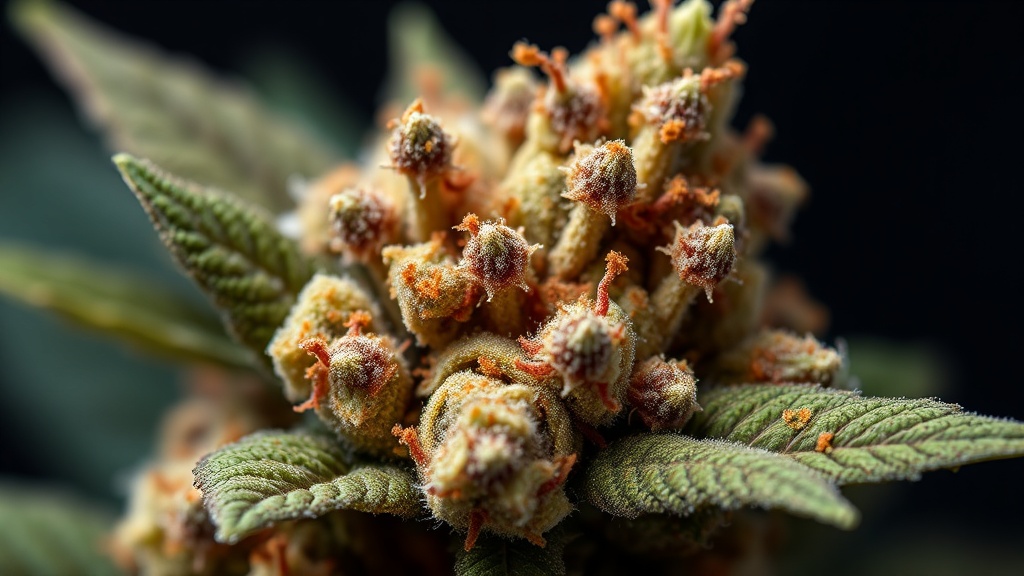
The Apple Pie strain is a sativa-dominant hybrid (70% sativa / 30% indica) that earns its name honestly. Crack open a jar and the warm, spiced-apple aroma hits immediately — fruity, herbal, and faintly sweet, like a bakery in cannabis form. Genetically, it traces back to two legendary landrace-adjacent lines: Acapulco Gold (a classic Mexican sativa known for its cerebral energy) and Highland Nepalese (a hardy, resinous indica-leaning variety). That combination gives Apple Pie its distinctive balance — heady and uplifting on the front end, with enough body warmth to keep things comfortable. For a deeper dive into the strain's background, check out our Apple Pie Weed: The Complete Strain Guide.
Apple Pie Strain Genetics & Lineage
Understanding where Apple Pie comes from explains a lot about how it behaves — both in the body and in the grow tent.
- Acapulco Gold: One of the most celebrated sativas in cannabis history. Known for golden-orange pistils, a caramel-toffee flavor, and a soaring, productive high. It contributes the cerebral energy and much of the aromatic complexity to Apple Pie.
- Highland Nepalese: A landrace strain from the high-altitude regions of Nepal. Dense, resinous, and resilient. It anchors Apple Pie's effects with a mild physical warmth and improves the plant's hardiness in variable conditions.
The 70/30 sativa lean means you're getting the best of both worlds: functional daytime effects without the couch-lock, and enough indica genetics to prevent the strain from tipping into anxiety-inducing raciness at higher doses.
THC, CBD & Cannabinoid Profile
| Cannabinoid | Amount | Notes |
|---|---|---|
| THC | 19–25% | Potent; approachable for intermediate users |
| CBD | ~0.1% | Negligible; not a CBD-forward strain |
| CBG | ~0.6% | Minor cannabinoid; may contribute to focus |
At 19–25% THC, Apple Pie sits in the upper-mid potency range. It's strong enough to impress experienced consumers but not so overwhelming that it's inaccessible. The related Georgia Apple Pie phenotype has tested as high as 26.7% THC, so expect some batch-to-batch variation depending on the grower and cultivation method. Want to understand how labs measure these numbers? See our Cannabis Testing: The Complete Guide.
Apple Pie Terpene Profile
Terpenes are what make the Apple Pie strain taste and smell the way it does — and they meaningfully shape the high. The three dominant terpenes here are limonene, terpinolene, and myrcene, working together to create that warm, spiced-fruit character.
- Limonene (0.8%): The dominant terpene. Citrusy, bright, and mood-elevating. Limonene is strongly associated with stress relief and euphoria — it's a big reason Apple Pie feels so uplifting without being heavy.
- Terpinolene (0.7%): Floral, herbal, and faintly piney. Terpinolene adds complexity to the flavor profile and is linked to a mild sedating synergy in combination with myrcene. It's also common in sativa-forward strains like Agent Orange.
- Myrcene (0.6%): The most common terpene in cannabis overall. Earthy and slightly musky. At 0.6%, it contributes a light body effect without dragging the high into sedation territory.
Apple Pie Strain Effects
The Apple Pie strain is first and foremost a daytime cultivar. The onset is quick — within a few minutes you'll feel a cerebral lift that sharpens focus and boosts mood. Energy follows shortly after, making this a solid choice for creative work, social settings, or anything where you need to stay mentally engaged.
Primary Effects
- Euphoria: The most reported effect — fast-acting and sustained. Great for killing a bad mood or elevating a good one.
- Energy: Apple Pie gets you moving. Physical fatigue lifts noticeably, making it a functional choice for daytime use.
- Focus: Mental clarity and task-orientation come through, particularly in the first 30–60 minutes of the high.
- Mild Body Warmth: The indica genetics do show up — there's a gentle physical ease underneath the cerebral activity, not sedating, just comfortable.
What Is Apple Pie Good For?
Users most frequently reach for Apple Pie to address stress, anxiety, and fatigue. The limonene-driven mood lift pairs well with the energetic body feeling for those who need to stay productive while managing anxiety — it mellows the edge without fogging the mind. For other strains in this lane, see our guide on the best strains for depression and anxiety.
It's not a pain-first strain given the low CBD content, but some users do report light relief from tension headaches and minor muscle aches — likely via the myrcene and CBG content.
Potential Negatives
- Dry mouth and dry eyes — standard at this THC range, hydrate proactively.
- Mild anxiety or paranoia at higher doses — the sativa dominance can tip into overstimulation if you overdo it. Start with 1–2 hits and wait.
- Not ideal for sleep — the energy profile makes this a poor choice for nighttime use.
Flavor & Aroma: What Does Apple Pie Smell Like?
The name is no marketing gimmick. Apple Pie smells and tastes like its namesake — warm cinnamon-spiced apple with an herbal, slightly piney backend. On the inhale, you get fruit-forward sweetness with citrus brightness from the limonene. The exhale brings out the terpinolene — floral and herbal with a faint earthiness from the myrcene. It's one of the more distinctly flavored strains in the fruity-dessert category, sitting alongside strains like Mango Kush for food-forward appeal.
Growing the Apple Pie Strain
Growing the Apple Pie strain is rated moderate difficulty. It's not a beginner's pick — it rewards growers who pay attention to environmental variables — but it's far from the most demanding plant you'll encounter.
Key Growing Stats
| Parameter | Details |
|---|---|
| Flowering Time | 8–10 weeks |
| Grow Difficulty | Moderate |
| Preferred Climate | Warm, sunny; 70–85°F (21–29°C) |
| Humidity (Veg) | 50–70% RH |
| Humidity (Flower) | 40–50% RH |
| Grow Style | Indoor or outdoor (warm climates) |
Growing Tips for Apple Pie
- Manage humidity hard in late flower. The Nepalese genetics mean dense bud structure — if humidity climbs above 50% in weeks 6–8, you risk botrytis. Run a dehumidifier and keep airflow strong.
- Train early for better yields. Given its sativa heritage, Apple Pie stretches during the first 2–3 weeks of flower. Topping during veg and applying LST (low-stress training) flattens the canopy and dramatically improves light penetration. Our guide on how to top cannabis plants multiple times walks through the technique in detail.
- Give it light. This strain thrives in full sun outdoors or under a solid 600–1000W HPS / equivalent LED indoors. Don't underfeed light — it's a sativa dominant and will stretch toward whatever source it can find.
- Dial in your VPD. Temperature swings cause stress that shows up as foxtailing on sativa-dominant buds. Keep your temps stable and your VPD in range (1.0–1.5 kPa in late veg, 1.5–2.0 kPa in flower).
- Flush the final 1–2 weeks if growing in soil to let terpene expression come through fully. The limonene and terpinolene in Apple Pie are what make it worth growing — don't bury them under residual nutrients.
First time starting from seed? Read our guide on how to plant germinated cannabis seeds before you start.
Apple Pie vs. Similar Strains
If Apple Pie appeals to you, here are a few strains worth comparing:
- Agent Orange: Also limonene-forward with a citrus dessert flavor and sativa-dominant energy. Slightly less THC on average. Full guide: Agent Orange Strain: Complete Grow Guide.
- Afternoon Delight: Similar feel-good, daytime energy profile with a sweet flavor. Afternoon Delight Strain: Complete Guide.
- Mango Kush: Another fruit-forward hybrid, but more indica-balanced with a heavier body effect. Good for comparison if you want something calmer. Mango Kush Strain Guide.
Who Should Try the Apple Pie Strain?
Apple Pie is an excellent fit for:
- Daytime users who want to stay functional and clear-headed
- Creative types looking for an energetic, idea-generating high
- Stress and anxiety relief without heavy sedation
- Cannabis enthusiasts who prioritize flavor — the terpene profile on a well-grown Apple Pie is genuinely impressive
Avoid Apple Pie as a last-smoke-of-the-night strain — the energy and focus effects will keep your brain running when you want it to wind down.
Final Verdict
The Apple Pie strain is one of those cultivars that delivers exactly what it promises. The lineage is pedigree-level, the terpene profile is distinctive, the THC ceiling is high enough to satisfy experienced users, and the effects are genuinely useful for day-to-day life. Growing it takes some care — mainly around humidity and training — but the reward is a resinous, flavorful harvest that's hard to match in the fruity-sativa category. If you see it at a dispensary, it's worth grabbing. If you're thinking about running it in a home grow, it's a worthwhile challenge.
More from StrainGuide
Have a question about this topic?
Ask our AI Bud Tender — powered by the same assistant in the StrainGuide app.