Best Strain for Tinnitus 2026: 8 Picks for Ringing Relief
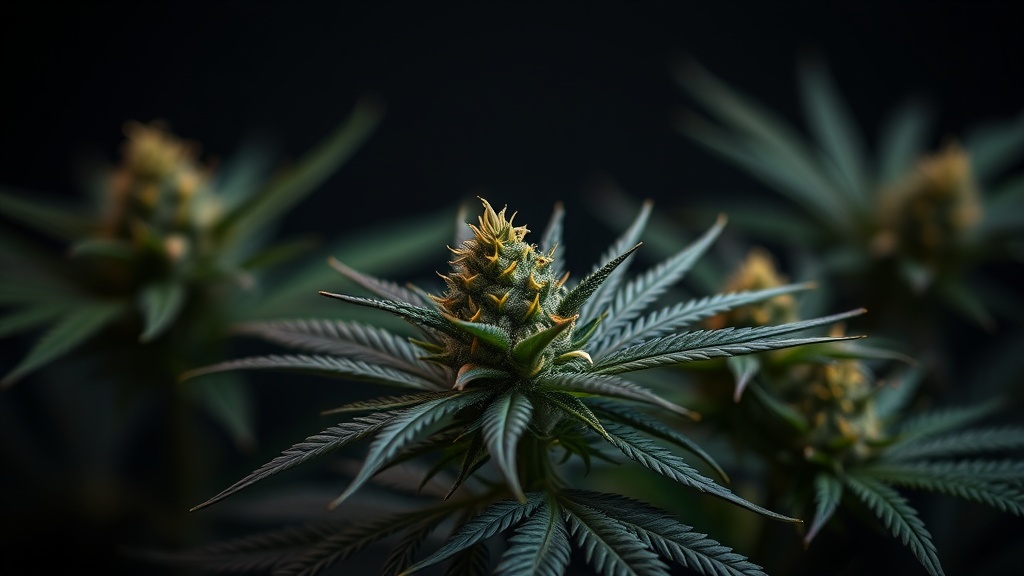
Finding the best strain for tinnitus isn't about chasing the highest THC number — it's about targeting the cascade of misery that comes with it. The persistent ringing, buzzing, or hissing that tinnitus sufferers experience is compounded by anxiety, sleep deprivation, and stress, all of which make the phantom noise feel louder and more intrusive. Cannabis can't silence the signal at its neurological source, but the right strains can dramatically reduce the distress response, lower anxiety, improve sleep quality, and break the feedback loop that amplifies tinnitus perception. After reviewing strain pharmacology, terpene profiles, and real-world patient reports, we've compiled eight strains that consistently deliver on those fronts.
How We Chose These Strains for Tinnitus
We filtered candidates through four criteria directly relevant to tinnitus management:
- Anxiety reduction: Tinnitus loudness correlates strongly with stress arousal. Strains high in myrcene, linalool, and caryophyllene were prioritized for their documented anxiolytic properties.
- Sleep architecture support: Most tinnitus sufferers report that nighttime is worst. Indica-dominant and high-CBN profiles that support deep sleep got extra weight.
- Moderate-to-high CBD content: CBD modulates glutamate and GABA signaling in the auditory cortex — the exact pathways implicated in tinnitus habituation research.
- Manageable THC levels: Very high THC can increase anxiety and auditory sensitivity in some users, worsening perceived ringing. We favored strains in the 14–22% THC sweet spot unless CBD is present to balance.
Not sure which of these fits your specific situation? Try the Strain Finder Quiz for a personalized recommendation, and use the Dosage Calculator to dial in starting doses if you're new to medicating for this condition.
The 8 Best Strains for Tinnitus in 2026
1. ACDC — The High-CBD Foundation
Type: Sativa-dominant hybrid | THC: 1–6% | CBD: 14–20%
ACDC is the starting point for anyone approaching tinnitus with a medical-first mindset. Its CBD:THC ratio often exceeds 20:1, meaning you get profound calming and anti-inflammatory effects with virtually zero intoxication. CBD's interaction with the endocannabinoid system appears to reduce hyperexcitability in auditory processing pathways — the same neural misfiring that creates phantom sound. Users report reduced tinnitus-related anxiety without cognitive fog, making it usable during the day. Read more in our ACDC strain complete guide.
Why it works for tinnitus: Maximum CBD content targets auditory cortex excitability and stress response simultaneously with no risk of THC-induced anxiety amplification.
2. Granddaddy Purple — The Nighttime Shutdown
Type: Indica | THC: 17–23% | CBD: ~1%
Granddaddy Purple earns its spot through sheer sedative power. Its terpene profile is loaded with myrcene and linalool — two compounds with well-documented relaxation and mild sedative effects. For tinnitus sufferers whose worst symptom is lying awake at 3am while the ringing seems deafening, GDP delivers. The body melt is substantial, and the mental quieting effect is genuine. Pair with the Dosage Calculator — GDP's potency means new users can overshoot easily.
Why it works for tinnitus: Heavy myrcene + linalool load produces the sleep architecture support and anxiety extinction needed to stop the nighttime ringing spiral.
3. Harlequin — Daytime CBD Balance
Type: Sativa-dominant hybrid | THC: 7–15% | CBD: 8–16%
Harlequin is the gold standard for functional daytime CBD therapy. Its 1:1 to 2:1 CBD:THC ratio keeps you clear-headed while the CBD modulates stress response and auditory hyperactivity. The myrcene and caryophyllene backbone adds anti-inflammatory benefit, which matters because some tinnitus cases have an inflammatory vascular component. Unlike pure CBD strains, the modest THC lift provides mood elevation that makes the ringing easier to mentally sideline during work hours.
Why it works for tinnitus: The balanced ratio is ideal for tinnitus patients who need to stay functional — enough THC for mood lift, enough CBD to blunt anxiety and auditory hyper-sensitivity.
4. Northern Lights — Stress Obliteration
Type: Indica | THC: 16–21% | CBD: ~1%
Northern Lights is one of the most reliable stress-annihilation strains in cannabis history. Tinnitus loudness perception is directly tied to sympathetic nervous system activation — when stress hormones spike, the ringing gets louder. Northern Lights' myrcene-heavy, deeply sedating profile lowers that arousal threshold fast. It's not subtle, but for high-stress tinnitus flare days, the shutdown effect is exactly what's needed. Best used in the evening given its potency.
Why it works for tinnitus: Attacks the stress-tinnitus amplification loop at the root by driving the nervous system into genuine parasympathetic dominance.
5. Blue Dream — Anxiety Relief Without Sedation
Type: Sativa-dominant hybrid | THC: 17–24% | CBD: 0.1–2%
Blue Dream is one of the most popular medical strains in North America for good reason. Its myrcene-dominant, caryophyllene-balanced profile produces calm alertness rather than couch-lock, making it versatile across the day. For tinnitus users who find pure indicas make them too lethargic to function, Blue Dream threads the needle — anxiety comes down, mood lifts, and the perceptual volume of ringing drops without losing productivity. Check our Blue Dream complete guide for full terpene breakdowns.
Why it works for tinnitus: Reduces anxiety-driven tinnitus amplification while preserving daytime function — a rare balance that pure indicas can't offer.
6. OG Kush — Classic Stress Relief with Terpene Depth
Type: Hybrid (indica-dominant) | THC: 19–26% | CBD: ~1%
OG Kush brings a terpene trio of myrcene, limonene, and caryophyllene that covers multiple tinnitus symptom pathways at once: myrcene for relaxation, limonene for mood elevation, caryophyllene for stress-modulating CB2 receptor activation. OG Kush users consistently report that the "mental weight" of chronic conditions lifts, making the psychological burden of tinnitus more manageable. The potency means a little goes a long way — 1–2 puffs is often enough for meaningful relief. See the full breakdown in our OG Kush complete strain guide.
Why it works for tinnitus: The limonene + caryophyllene combination addresses the mood and stress components of tinnitus distress in ways that pure myrcene strains miss.
7. Bubba Kush — Deep Indica for Chronic Sufferers
Type: Indica | THC: 14–22% | CBD: ~1%
Bubba Kush is the go-to for tinnitus patients who've had the condition for years and have developed secondary insomnia and chronic anxiety from it. The body-first effect profile means physical tension dissolves before the head gets too heavy, which is ideal for people who've built some THC tolerance. Caryophyllene content is notably high, giving Bubba Kush genuine anti-anxiety properties beyond simple sedation. Read more in our Bubba Kush complete guide.
Why it works for tinnitus: High caryophyllene content plus strong sedation makes it ideal for chronic tinnitus cases where long-term anxiety and insomnia have compounded the original condition.
8. Purple Haze — Mood Elevation for Tinnitus Depression
Type: Sativa | THC: 17–20% | CBD: ~1%
Purple Haze addresses a symptom that other strains on this list largely ignore: the depression that chronic tinnitus causes. When you've had ringing in your ears for months or years, the psychological toll accumulates. Purple Haze's terpinolene-forward, limonene-accented profile lifts mood, promotes creative engagement, and pulls attention away from the ringing — a cognitive defocusing effect that tinnitus habituation therapy also targets. It's a daytime strain best used when you need to break a depressive tinnitus spiral. Full details in our Purple Haze complete guide.
Why it works for tinnitus: Addresses tinnitus-related depression and attention fixation on the ringing — two underserved symptoms that sedating indicas don't touch.
Strain Comparison Chart
Key Terpenes for Tinnitus Relief
When choosing the best strain for tinnitus, terpene profile often matters more than THC percentage alone. Here's what to look for:
- Myrcene: The most common cannabis terpene. Sedating, muscle-relaxing, and anxiolytic. Present in Granddaddy Purple, Northern Lights, Blue Dream, and OG Kush. Directly reduces the nervous system arousal that amplifies tinnitus perception.
- Caryophyllene: A dietary cannabinoid that activates CB2 receptors, producing anti-inflammatory and anxiolytic effects without psychoactivity. Heavy hitters: OG Kush, Bubba Kush, Harlequin. Especially relevant if your tinnitus has a vascular or inflammatory component.
- Linalool: Floral terpene found in lavender that's clinically documented for anxiety reduction and sleep improvement. Granddaddy Purple carries a meaningful linalool load.
- Limonene: Citrusy, mood-elevating, and anti-anxiety. Present in OG Kush and Purple Haze. Counteracts the depression that long-term tinnitus creates.
- Terpinolene: Found in Purple Haze. Produces uplifting, creative effects that help shift attentional focus away from the ringing — a pharmacological version of the attention-redirection used in tinnitus retraining therapy.
Use our Terpene Explorer to find additional strains that share these terpene signatures. For a deeper dive into how these compounds work, our complete guide to cannabis terpenes breaks down the science.
CBD vs THC for Tinnitus: What the Evidence Suggests
Research on cannabis and tinnitus is still emerging, but the directional evidence is informative. A 2020 study published in Frontiers in Neurology found that CBD reduced anxiety and improved sleep in a significant majority of participants — both of which directly reduce tinnitus distress scores. Importantly, the same research found that high-dose THC could increase auditory sensitivity in some subjects, which is why balanced CBD:THC ratios (Harlequin, ACDC) are often better starting points than high-THC-only strains.
The practical takeaway: start CBD-dominant, then layer in modest THC if CBD alone isn't delivering adequate symptom relief. This approach minimizes the risk of THC-induced anxiety exacerbating the condition. For related approaches to anxiety and sleep — the two biggest tinnitus co-symptoms — see our guides on best cannabis strains for anxiety and best cannabis strains for sleep.
Dosing Strategies for Tinnitus
Tinnitus is a condition where less is often more with cannabis. Here's how to approach dosing:
- Start low, especially with THC: 2.5–5mg THC is a reasonable starting dose for tinnitus newcomers. Too much THC can paradoxically increase anxiety and amplify perceived ringing.
- CBD first protocol: Begin with a high-CBD strain like ACDC for 2–4 weeks before adding THC-containing strains. This allows the endocannabinoid system to recalibrate without overstimulation.
- Time your doses: Daytime — CBD-dominant or balanced strains (ACDC, Harlequin, Blue Dream). Evening — indica-dominant (Granddaddy Purple, Northern Lights, Bubba Kush).
- Delivery method matters: Flower gives fast onset and easy titration. Tinctures give longer, smoother relief windows. For nighttime tinnitus disruption, a low-dose edible (5–10mg THC + CBD) taken 90 minutes before bed can provide 6–8 hours of sleep support.
Use our Dosage Calculator to build a starting protocol specific to your body weight, tolerance, and consumption method.
The Bottom Line on Cannabis for Tinnitus
The best strain for tinnitus addresses the whole symptom picture: the anxiety that spikes perceived ringing volume, the sleep disruption that leaves sufferers exhausted and hypersensitive, and the depression that accumulates from a condition that medicine still can't cure. High-CBD strains like ACDC and Harlequin are ideal entry points. Heavy indicas like Granddaddy Purple and Northern Lights dominate the nighttime relief category. And for daytime functional use or battling tinnitus-related depression, Blue Dream and Purple Haze give you a way to break the attentional fixation that makes the ringing feel all-consuming.
Not sure which of these eight is the right starting point for your specific tinnitus profile? The Strain Finder Quiz asks about your primary symptoms and consumption preferences to match you with the best option. You can also compare any two strains head-to-head on potency, terpenes, and effects using the Strain Comparator.
More from StrainGuide
Have a question about this topic?
Ask our AI Bud Tender — powered by the same assistant in the StrainGuide app.