Best Strains for IBS in 2026
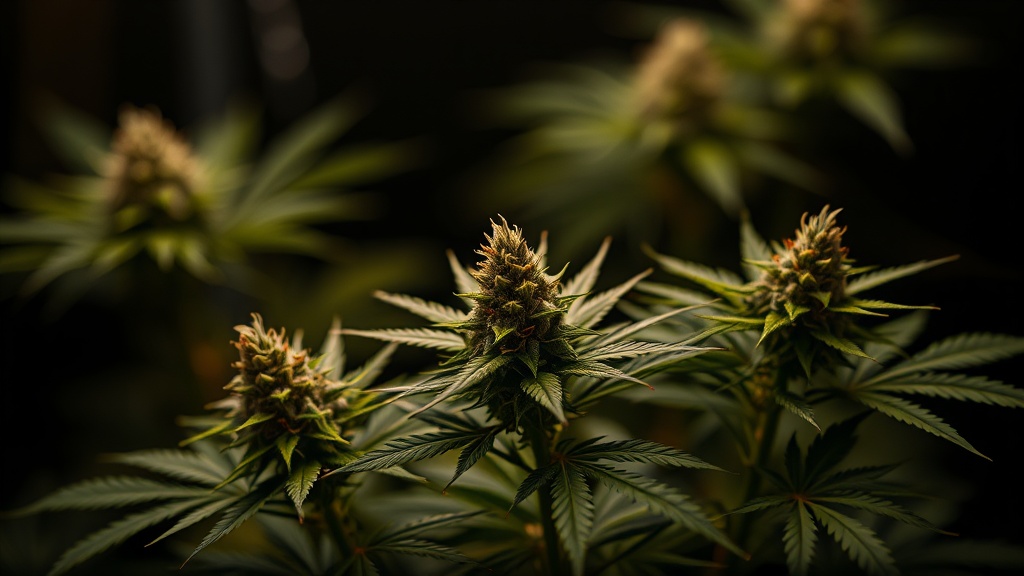
Finding the best strains for IBS isn't as simple as grabbing the highest-THC flower on the shelf. Irritable bowel syndrome involves a constellation of symptoms — cramping, bloating, diarrhea, constipation, nausea, and the kind of gut anxiety that feeds itself — and different cannabis compounds target different parts of that picture. The gut has its own endocannabinoid system (the enteric nervous system is loaded with CB1 and CB2 receptors), which is exactly why cannabis can be such a targeted tool for IBS rather than just a general painkiller. This guide cuts through the noise and gives you 8 specific strains, with exact cannabinoid profiles and terpene data, that consistently help IBS patients manage their worst symptoms in 2026.
How We Chose These Strains for IBS
We filtered our strain database using four criteria specific to IBS management:
- Antispasmodic potential: Strains high in myrcene, caryophyllene, and linalool — terpenes with documented smooth-muscle relaxing and anti-inflammatory properties
- THC:CBD balance: Pure high-THC strains can worsen gut motility issues in some users; we favored balanced or moderate-THC profiles where the symptom picture called for it
- Anxiety component: IBS and anxiety are deeply linked. Strains that spike paranoia or racing thoughts were cut — we prioritized calming, body-forward effects
- Nausea and appetite control: Several entries were specifically selected for antiemetic and appetite-stimulating properties, critical for IBS-D (diarrhea-dominant) and IBS flare recovery
For terpene deep-dives on any of these strains, our Terpene Explorer lets you filter by specific compounds. And if you want a personalized match based on your exact symptom pattern, run the Strain Finder Quiz.
The 8 Best Strains for IBS Relief
1. ACDC — The CBD Anchor
Type: Sativa-dominant hybrid | THC: 1–6% | CBD: 14–20%
Key Effects: Calm, clear-headed, anti-inflammatory, minimal psychoactivity
ACDC is the benchmark CBD strain for a reason. With a CBD:THC ratio that can hit 20:1, it delivers serious anti-inflammatory and antispasmodic effects without the psychoactive intensity that can destabilize a nervous gut. CB2 receptor activation via CBD directly modulates gut inflammation — particularly relevant for IBS-C (constipation-dominant) and post-flare recovery. The dominant terpene caryophyllene acts as a dietary cannabinoid itself, binding CB2 receptors and reducing gut lining irritation. Daytime-friendly and fully functional. Start here if you're new to cannabis for IBS or need to medicate during work hours.
2. Harlequin — Balanced Day Strain
Type: Sativa-dominant hybrid | THC: 7–15% | CBD: 8–12%
Key Effects: Alert, relaxed, mild pain relief, anti-nausea
Harlequin's roughly 1:1 CBD:THC ratio makes it a precision tool for IBS. The THC handles acute cramping and nausea while the CBD keeps the psychoactive edge manageable — you won't spiral into anxiety-driven gut spasms. Rich in myrcene and pinene, it offers muscle relaxation without sedation. Particularly effective for IBS-D users who need relief but have to stay functional. The slight mood uplift also breaks the anxiety-IBS feedback loop that makes flares worse.
3. Girl Scout Cookies — The Cramp Crusher
Type: Indica-dominant hybrid | THC: 19–28% | CBD: ~1%
Key Effects: Deep body relaxation, euphoria, appetite stimulation, pain relief
When cramping is severe and nothing else is touching it, Girl Scout Cookies earns its reputation. The caryophyllene + myrcene combination creates powerful smooth-muscle relaxation that directly targets intestinal spasms. THC's CB1 agonism in the enteric nervous system slows gut motility — a genuine therapeutic mechanism for IBS-D. The appetite stimulation is a bonus for anyone whose IBS has been suppressing eating. Use evenings or on heavy flare days. Dose carefully if you're THC-sensitive.
4. Cannatonic — Anti-Inflammatory Workhorse
Type: Hybrid | THC: 7–15% | CBD: 6–17%
Key Effects: Relaxed, focused, anti-inflammatory, mild muscle relaxation
Cannatonic was bred specifically for medical use and it shows. Variable CBD expression means you'll want to check lab testing on your specific batch — target 1:1 or higher CBD:THC ratios for IBS applications. Myrcene-dominant with notes of caryophyllene, it provides reliable gut calming without heaviness. Good for the anxious IBS patient who needs sustained daytime relief. The mild euphoria helps manage the mood dip that comes with chronic gut discomfort.
5. Bubba Kush — Night Flare Protocol
Type: Indica | THC: 17–22% | CBD: ~1%
Key Effects: Heavy sedation, full-body relaxation, appetite boost, sleep induction
Bubba Kush is the heavy artillery for nighttime IBS flares that are disrupting sleep. The full-body stone shuts down intestinal hyperactivity, reduces cramping, and gets you into deep sleep — which is when gut healing actually occurs. High myrcene and linalool content contribute both sedation and smooth muscle relaxation. Not a daytime option, but if you're waking up at 3am with gut spasms, a small dose of Bubba Kush before bed changes the equation. Also excellent for IBS-related insomnia cycles.
6. Blue Dream — The Gentle All-Rounder
Type: Sativa-dominant hybrid | THC: 17–24% | CBD: 2%
Key Effects: Uplifting, gentle body relaxation, mild pain relief, sociable
Blue Dream sits in a sweet spot for mild-to-moderate IBS symptoms on active days. It's not sedating, doesn't cause couch-lock, but delivers enough myrcene-driven body relaxation to quiet background gut discomfort. The sativa side manages the fatigue and brain fog that chronic IBS creates. THC is moderate enough that most users stay functional. A good starter strain for people transitioning from CBD-only approaches who want to add some THC without overwhelming their system. Great for social situations where gut anxiety would otherwise spiral.
7. Critical Mass — High-CBD Indica for Severe Symptoms
Type: Indica-dominant hybrid | THC: 19–22% | CBD: 5–8%
Key Effects: Deep relaxation, sedation, strong pain relief, appetite stimulation
Critical Mass delivers a higher CBD percentage than most indica-dominant strains while keeping THC robust enough for genuine pain relief. The combination is powerful for severe IBS days — significant cramping, bloating so bad it's impacting mobility, and nausea that's preventing eating. The CBD cushions THC's impact on gut motility while THC handles the pain signal. Rich in caryophyllene, this strain also addresses the inflammation component directly. Afternoon/evening use. One of the best options for IBS-C patients who also deal with significant pain during episodes.
8. Gelato — Stress-Triggered IBS Specialist
Type: Indica-dominant hybrid | THC: 20–25% | CBD: ~1%
Key Effects: Euphoric, body-relaxed, stress-dissolving, mood-lifting
A huge percentage of IBS flares are stress-triggered, and Gelato attacks that root cause harder than almost any other strain. The euphoric wave hits fast and genuinely breaks the stress-gut feedback loop — the kind of anxious gut tension that builds throughout the day and detonates into a flare by evening. Linalool content adds an anxiolytic dimension. Not the right choice when you need CBD's anti-inflammatory precision, but when stress is clearly the trigger, Gelato's mood-forward profile is uniquely effective. Use at moderate doses — the THC is high enough to cause anxiety if you overdo it.
Best Strains for IBS: Visual Comparison
Best Strains for IBS: Dosing and Method Tips
Method of consumption matters as much as strain selection for IBS management. Here's what the data supports:
- Vaporizing (flower): Fastest onset (5–10 minutes), easiest to titrate. Best for acute cramps and sudden nausea. Use a dry herb vaporizer at 185–200°C to preserve terpenes
- Sublingual tinctures (especially high-CBD): 15–30 minute onset, 4–6 hour duration. Ideal for sustained daytime relief with ACDC or Cannatonic extracts
- Low-dose edibles: 2.5–5mg THC with matching CBD for consistent overnight gut calming. Use our Dosage Calculator to dial in edible doses precisely — IBS patients are often more sensitive to THC's gut-motility effects
- Suppositories (for severe IBS-C): Rectal administration bypasses first-pass metabolism and delivers cannabinoids directly to the lower GI tract. High-CBD RSO products are used this way, though standardized products remain scarce
Start doses low — 2.5mg THC — and move up in 2.5mg increments every three days. IBS patients frequently report that too much THC worsens diarrhea-dominant symptoms by over-relaxing gut motility. The sweet spot is usually 5–10mg THC combined with equal or greater CBD.
The Terpene-IBS Connection
Understanding why specific terpenes help IBS is what separates smart strain selection from guesswork. For the full breakdown, see our Complete Guide to Cannabis Terpenes. The short version for IBS:
- Caryophyllene: The only terpene that directly activates CB2 receptors. Reduces gut inflammation and visceral pain. Present in Girl Scout Cookies, Gelato, Cannatonic
- Myrcene: Smooth-muscle relaxant. Reduces intestinal cramping and spasms. Dominant in Bubba Kush, Blue Dream, Harlequin
- Linalool: Anxiolytic and antispasmodic. Specifically targets stress-triggered IBS flares. Present in Bubba Kush and Gelato
- Limonene: Anti-anxiety and antiemetic. Important for nausea-dominant IBS presentations. Found in Harlequin and some GSC phenotypes
Best Strains for IBS: Frequently Asked Questions
Does cannabis actually help IBS or just mask symptoms?
Both, depending on the mechanism. CBD's anti-inflammatory effect on the gut lining is a genuine disease-modifying action, not just symptom masking. THC's modulation of gut motility through CB1 agonism directly alters the hyperactive signaling that drives IBS-D. For stress-triggered IBS, anxiolytic strains break the cortisol → gut inflammation loop, which is cause-level intervention. For pain, yes — that's symptomatic. But even symptomatic relief that improves eating, sleeping, and stress levels creates a positive feedback loop that reduces flare frequency over time.
Is indica or sativa better for IBS?
Indica-dominant strains generally win for acute flares because body-forward effects directly address cramping. But sativa-dominant hybrids with significant CBD (Harlequin, ACDC) are superior for daytime management where you need to stay functional. The honest answer: terpene profile matters more than the indica/sativa label. Target caryophyllene and myrcene regardless of classification.
Can cannabis make IBS worse?
Yes — in specific conditions. Very high doses of THC without CBD buffer can cause cannabinoid hyperemesis syndrome in heavy users. THC's motility effects can worsen constipation in IBS-C if over-dosed. Some users experience increased anxiety from high-THC sativas, which directly triggers gut flares. Stick to balanced or CBD-rich strains until you know your response, keep doses low, and avoid smoking combusted cannabis (irritating to the gut via swallowed smoke).
If you're also dealing with pain and inflammation beyond the gut, our Best Strains for Pain and Inflammation guide has significant overlap with this list. For the sleep disruption that IBS often causes, see Best Cannabis Strains for Sleep (2026). And if gut anxiety is your primary trigger, Best Cannabis Strains for Anxiety (2026) covers the anti-anxiety angle in much more depth.
Use our Strain Comparator to put any two strains from this list side-by-side on cannabinoid profile, terpenes, and reported effects before you commit to a purchase.
More from StrainGuide
Have a question about this topic?
Ask our AI Bud Tender — powered by the same assistant in the StrainGuide app.