Best Weed Strains for Depression 2026
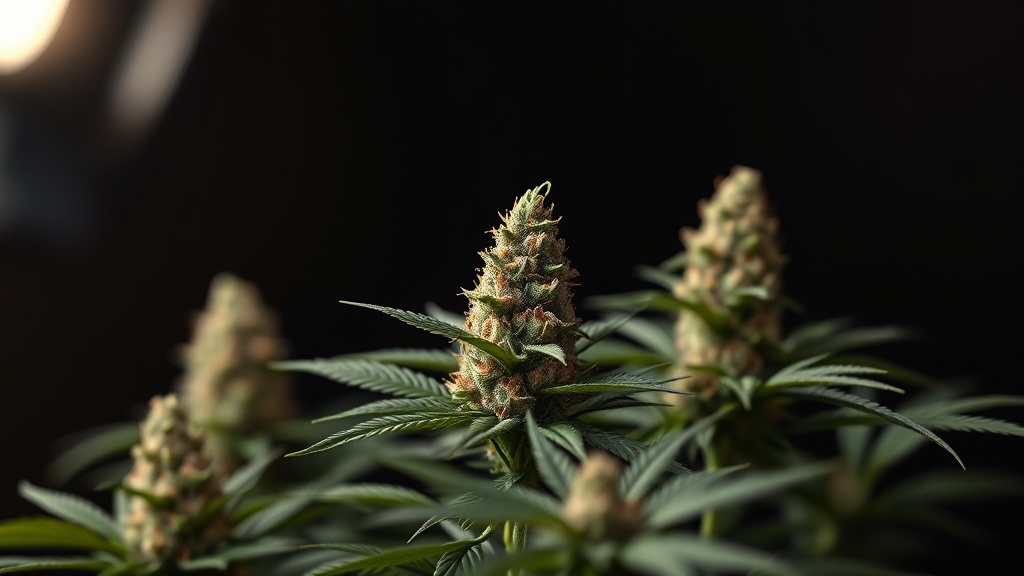
Finding the best weed strains for depression isn't about grabbing the highest-THC flower on the shelf. Depression responds best to specific cannabinoid and terpene profiles — the right balance of limonene, linalool, and beta-caryophyllene can meaningfully shift your mood, while the wrong strain can spiral into anxiety or couch-lock that makes low motivation worse. This guide cuts through the noise with 9 strains that have a real track record for lifting depressive symptoms, broken down by type, potency, and why they actually work for this specific condition.
If you're also dealing with anxiety alongside depression — an extremely common pairing — check out our article on top cannabis strains for anxiety relief and our dedicated guide to best strains for depression and anxiety. For a personalized match based on your symptoms and tolerance, the Strain Finder Quiz is worth 2 minutes of your time.
How We Chose These Strains
Every strain on this list was selected against a consistent set of criteria:
- Terpene profile: Prioritized strains high in limonene (mood elevation), linalool (calm focus), and beta-caryophyllene (anti-inflammatory, CB2 agonist). These are the terpenes most consistently linked to antidepressant-adjacent effects in preclinical research.
- THC:CBD ratio: Avoided strains with brutal THC spikes (25%+) that tip sensitive users into paranoia. Preferred balanced or moderately high THC with at least trace CBD.
- Effect profile: Euphoria, energy, mental clarity, and sociability rank above sedation for daytime depression management. Nighttime strains included only where sleep disruption is a core symptom.
- Community consensus: Cross-referenced user-reported effects from thousands of reviews. One person's experience is anecdote; consistent patterns across thousands of reports are signal.
- Availability: Skipped ultra-rare cuts that exist only in a single dispensary in one state. Every strain here is reasonably findable.
Strain Comparison Chart
The 9 Best Weed Strains for Depression
1. Blue Dream — Best All-Around Daytime Strain
Type: Sativa-dominant Hybrid | THC: 19–23% | CBD: ~0.1–0.2%
Key Terpenes: Myrcene, caryophyllene, pinene
Key Effects: Euphoric, creative, uplifted, relaxed body
Blue Dream is arguably the most universally recommended strain for depression, and the reputation is earned. It delivers full-body relaxation without the sedation trap — you stay functional, creative, and social. The sativa genetics keep motivation intact while the OG indica parentage from Blueberry smooths out any edge. At 19–23% THC it's potent enough to break through a depressive fog without launching sensitive users into paranoia. The high-myrcene profile adds a gentle anxiolytic cushion. Read the complete Blue Dream guide for growing and effect details.
2. Jack Herer — Best for Energy & Motivation
Type: Sativa-dominant Hybrid | THC: 18–22% | CBD: ~0.1%
Key Terpenes: Terpinolene, ocimene, myrcene
Key Effects: Focused, energetic, creative, uplifted
When depression manifests as low energy and zero motivation — the "I can't get off the couch" kind — Jack Herer is the go-to. It's a cerebral, almost electric sativa experience that promotes focus and creative drive. Named after the cannabis activist and author, this strain delivers a clean, clear-headed high with minimal body heaviness. Terpinolene is the standout here, a terpene consistently associated with uplifting and anti-anxiety effects in research literature. Keep doses moderate (1–2 puffs) to stay in the productive zone.
3. Durban Poison — Best Pure Sativa Option
Type: Pure Sativa (landrace) | THC: 17–20% | CBD: trace
Key Terpenes: Terpinolene, myrcene, ocimene
Key Effects: Energetic, euphoric, focused, talkative
Durban Poison is a South African landrace with no indica genetics dragging it down — it's one of the most reliably energizing and mood-elevating strains in existence. Where many modern hybrids feel complex and layered, Durban hits with a clean, uncomplicated euphoria that pairs well with exercise, socializing, or creative projects. The high THCV content (higher than most strains) is particularly notable — THCV has shown appetite-suppressing and mood-stabilizing properties in early research. This is a daytime-only strain; avoid it within 4 hours of sleep.
4. Girl Scout Cookies — Best for Mixed Depression & Stress
Type: Indica-dominant Hybrid | THC: 20–25% | CBD: ~0.1%
Key Terpenes: Caryophyllene, limonene, humulene
Key Effects: Euphoric, relaxed, creative, body comfort
GSC (formerly Girl Scout Cookies) sits at the sweet spot for depression tied to chronic stress or physical tension. The limonene content drives genuine mood elevation while the indica backbone from OG Kush melts away the physical manifestations of depression — the tight chest, the tense shoulders. At 20–25% THC it's on the stronger end; beginners should dose conservatively. Caryophyllene's CB2-receptor activity adds an anti-inflammatory dimension that matters if your depression has a pain component. Check our full Girl Scout Cookies strain guide for detailed lineage and phenotype info.
5. Granddaddy Purple — Best for Nighttime Depression & Insomnia
Type: Indica | THC: 17–23% | CBD: ~0.1%
Key Terpenes: Myrcene, caryophyllene, pinene
Key Effects: Relaxed, sleepy, euphoric, body-heavy
Depression and insomnia are deeply intertwined — poor sleep worsens mood; low mood destroys sleep quality. GDP addresses that cycle from the nighttime angle. It won't sharpen your focus or fuel a creative afternoon, but it will quiet the racing thoughts that keep depressed minds awake at 2am. The grape-and-berry flavor comes from its high anthocyanin content, and the myrcene-dominant profile is one of the most sedating in the cannabis world. Use this one 30–60 minutes before your target sleep time. If sleep is your main depression symptom, also check our guide to best cannabis strains for sleep.
6. ACDC — Best for THC-Sensitive Users
Type: CBD-dominant Hybrid | THC: 5–6% | CBD: 14–20%
Key Terpenes: Myrcene, caryophyllene, pinene
Key Effects: Calm, focused, clear-headed, emotionally balanced
Not everyone wants to get "high" to manage depression — and for people who are THC-sensitive, anxious, or managing depression alongside responsibilities like work or parenting, ACDC is a game-changer. The ~20:1 CBD:THC ratio means near-zero intoxication while still delivering meaningful terpene and cannabinoid interaction. CBD's modulation of serotonin receptors (specifically 5-HT1A) is one of the better-documented mechanisms in cannabis-depression research. You won't feel sedated, impaired, or euphoric — you'll just feel level. Read our ACDC strain complete guide for more on this underrated cultivar.
7. Amnesia Haze — Best for Social Anxiety & Depression
Type: Sativa-dominant Hybrid | THC: 20–25% | CBD: ~0.1%
Key Terpenes: Terpinolene, myrcene, caryophyllene
Key Effects: Euphoric, energetic, social, uplifted
Amnesia Haze is a multiple Cannabis Cup winner for good reason — it delivers one of the most dependable euphoric experiences in the sativa world. For depression that shows up as social withdrawal and anhedonia (inability to feel pleasure), this strain can meaningfully crack open that shell. The terpinolene-forward profile creates a bright, cerebral effect that makes conversation feel easy and enjoyable rather than exhausting. At 20–25% THC, respect the potency — especially if you haven't used it before. Start low, give it 10 minutes, and build from there. Full breakdown in our Amnesia Haze strain guide.
8. Purple Haze — Best for Creative Depression
Type: Sativa-dominant Hybrid | THC: 17–20% | CBD: ~0.1%
Key Terpenes: Terpinolene, myrcene, caryophyllene
Key Effects: Creative, dreamy, euphoric, uplifted
Purple Haze has a psychedelic, slightly dreamy quality that makes it particularly useful for the flavor of depression where creativity feels completely blocked. The Haze genetics produce a distinctive head-focused high — thoughts flow, visual perception becomes more vivid, and music sounds significantly better. It won't lock you to the couch or make you feel heavy. At 17–20% THC it's on the gentler end of this list, making it a reasonable choice for lower-tolerance users who still want a real sativa effect. Detailed lineage and effects in our Purple Haze complete guide.
9. Blueberry — Best for Gentle Mood Balance
Type: Indica | THC: 17–20% | CBD: ~0.4%
Key Terpenes: Myrcene, caryophyllene, linalool
Key Effects: Relaxed, happy, calm, mildly euphoric
DJ Short's Blueberry is a classic indica that delivers calm happiness rather than sedation or mania. It's not going to boost energy levels or fuel a creative sprint — its strength is in gently flattening the emotional valleys of depression without over-shooting into anxiety-inducing territory. The linalool content (the same terpene that gives lavender its effect) adds genuine anxiolytic and mood-stabilizing properties. With moderate THC and a higher-than-average CBD trace, this is one of the most forgiving strains on the list. See the full Blueberry strain guide for cultivation and effect notes.
Best Weed Strains for Depression: Key Takeaways
- Daytime depression: Blue Dream, Jack Herer, Durban Poison, Amnesia Haze
- Nighttime depression & insomnia: Granddaddy Purple, Blueberry
- THC-sensitive or sober-curious: ACDC
- Stress-driven depression: Girl Scout Cookies, Purple Haze
- Social withdrawal & anhedonia: Amnesia Haze, Durban Poison, Jack Herer
Understanding Terpenes for Depression
The terpene profile matters as much as the THC number when choosing strains for depression. Limonene — abundant in citrusy strains — has shown serotonin and dopamine-modulating activity in animal models. Linalool reduces cortisol and has measurable anxiolytic effects. Caryophyllene is unique in that it binds directly to CB2 receptors, activating pathways linked to reduced anxiety and inflammation. For a deep dive into how specific terpenes affect mood, visit our Terpene Explorer or read the Complete Guide to Cannabis Terpenes.
Dosing: The Critical Variable
Even the best weed strain for depression becomes counterproductive at the wrong dose. Low-to-moderate THC doses (5–10mg edible equivalent, or 1–2 small inhalations) reliably reduce depressive symptoms in most users. Higher doses — particularly above 20mg edible equivalent — can increase anxiety and dysphoria, especially in people new to cannabis or sensitive to THC. If you're using edibles rather than flower, our Dosage Calculator will help you find a starting point based on your weight, tolerance, and desired effect intensity.
Whatever you choose, track your responses — strain, dose, time of day, and how you felt before and after. That data is more valuable than any list, including this one.
More from StrainGuide
Have a question about this topic?
Ask our AI Bud Tender — powered by the same assistant in the StrainGuide app.