Bitter Orange Strain: Effects, Terpenes & 18–26% THC Profile
TL;DR
Bitter Orange is a 60/40 sativa-dominant hybrid from Symbiotic Genetics, crossing Wedding Cake with Mimosa V6. It tests between 18–22% THC (peaking at 26% in top-shelf batches), leads with limonene and valencene for a sharp citrus punch, and delivers uplifting, energetic effects that make it a strong daytime option. Indoor flowering runs 59–63 days with yields up to 400g/m².
What Is the Bitter Orange Strain?
The Bitter Orange strain is a modern hybrid developed by Symbiotic Genetics — the same breeder responsible for a lineup of fruit-forward, high-terpene cultivars that have made serious waves in West Coast markets. The cross brings together two heavyweights: Wedding Cake, known for its creamy potency and dense structure, and Mimosa V6, a refined version of the beloved citrus hybrid. The result is a strain that skews sativa (roughly 60:40) while retaining enough indica body weight to keep things grounded.
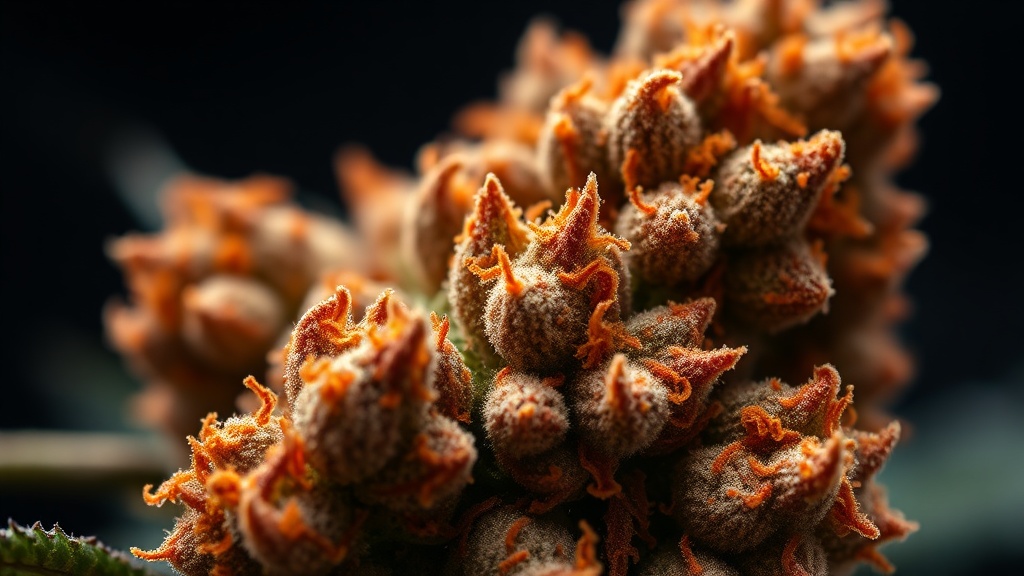
What sets Bitter Orange apart in an increasingly crowded citrus category is the specificity of its flavor. Where many "orange" strains deliver generic sweet citrus, Bitter Orange leans into the tangy, slightly astringent bite of actual bitter orange peel — think Campari or an Aperol spritz, not orange candy. That distinction comes directly from its terpene composition, particularly the combination of limonene, valencene, and terpinolene working together. If you want to explore other strains in this flavor family, the Orange Cannabis Strains 2026 Guide is worth a read.
Bitter Orange Strain Genetics & Lineage
Symbiotic Genetics built Bitter Orange on two carefully selected parents:
- Wedding Cake (Triangle Kush × Animal Mints): Brings resin density, high THC ceiling, and a subtle earthy sweetness that rounds out the citrus edge.
- Mimosa V6: An evolved phenotype of the original Mimosa (Clementine × Purple Punch), refined over multiple generations for improved citrus expression, terpene output, and sativa vigor.
This lineage explains a lot. The Wedding Cake side gives Bitter Orange its structural density and resin production, while Mimosa V6 is almost entirely responsible for the aromatic identity. The 60:40 sativa-indica split is a practical outcome of that cross — you get the uplift of a sativa chassis with enough indica influence to prevent anxiety or raciness at moderate doses.
Bitter Orange Terpene Profile
Terpenes are the story here. Bitter Orange isn't the highest-THC strain on the shelf, but its aromatic complexity is hard to match. Here's what the lab data typically shows:
Limonene is the dominant terpene by a significant margin, reaching up to 1.5% in well-grown specimens. It's the engine behind the citrus aroma and has well-documented mood-lifting associations. Valencene is the detail that makes Bitter Orange genuinely interesting — it's the terpene found in actual Valencia oranges and contributes a more complex, slightly herbal citrus character that distinguishes this strain from simpler lemon or orange profiles. Terpinolene adds a fresh, slightly floral-piney top note, while beta-caryophyllene provides a hint of spice and potential anti-inflammatory synergy. Linalool rounds things out with a faint floral softness that takes the edge off the sharpness. For a deeper dive into how these compounds work, check out the Complete Guide to Cannabis Terpenes. You can also browse profiles interactively with the Terpene Explorer.
Bitter Orange Strain Effects
The Bitter Orange strain delivers a clear, energetic onset consistent with its sativa-dominant genetics. At 18–22% THC, the high is substantial but not overwhelming — there's headroom here for both newer users and experienced smokers who want something functional rather than incapacitating.
Here's what users consistently report:
- Cerebral uplift: A quick-hitting mental clarity that sharpens focus without being jittery. Good for creative tasks, socializing, or anything requiring engagement.
- Mood elevation: Limonene's influence is clearly felt — this is a strain that genuinely shifts a bad mood. It's a popular pick for managing depression and stress, and if that's your primary use case, it earns a place on our Best Cannabis Strains for Depression 2026 list.
- Body ease: The Wedding Cake indica backbone delivers a subtle physical relaxation that prevents the sometimes-anxious edge of pure sativas. Muscles feel lighter without sedation kicking in.
- Fatigue relief: Widely used as a morning or early afternoon strain by people dealing with chronic fatigue. The energy is sustained, not spiky.
At the 26% THC ceiling (top-end batches), Bitter Orange gets potent enough that less experienced users should dose carefully. The sativa lean can amplify THC sensitivity — start with one or two draws and assess before going further. If you want to dial in your dosing precisely, the Dosage Calculator is useful here.
Negative effects are uncommon at moderate doses but can include dry mouth, dry eyes, and mild anxiety at high doses — especially for those sensitive to THC. The absence of CBD (consistently below 1%) means there's no natural anxiolytic buffer built in.
Flavor & Aroma: What Does Bitter Orange Taste Like?
The Bitter Orange strain delivers exactly what the name promises, but with more depth than most people expect. On the nose, there's an immediate hit of zesty citrus peel — not juice, peel. The difference matters: orange peel carries aromatic compounds (particularly valencene and limonene) that are sharper, slightly bitter, and more complex than the sweetness of orange flesh. Underneath that is a faint herbal-floral quality from the terpinolene and linalool, and a barely-there spice on the back end from caryophyllene.
On the inhale, expect a tangy orange burst with a touch of sweetness inherited from Wedding Cake. The exhale is where the "bitter" really registers — a clean, slightly astringent citrus finish that lingers. It's sophisticated. Anyone who appreciates Italian amaro, citrus-forward IPAs, or fresh-squeezed juice over sugary drinks will find Bitter Orange's flavor profile deeply satisfying. For other strains in the citrus family, the Lemon OG and Agent Orange guides are worth comparing.
Growing the Bitter Orange Strain
Symbiotic Genetics classifies Bitter Orange as a moderately challenging grow. It's not a beginner strain — it rewards growers who pay attention to environmental conditions and feeding schedules — but it's far from the most demanding cultivar on the market. Here's a practical breakdown:
Key Growing Stats
| Parameter | Detail |
|---|---|
| Flowering Time | 59–63 days (8.5–9 weeks) |
| Indoor Yield | Up to 400 g/m² |
| Plant Height | Medium (typically 80–120cm indoors) |
| Grow Difficulty | Moderate |
| Grow Environment | Indoor preferred; outdoor viable in warm climates |
| THC Range | 18–22% (up to 26% in optimal conditions) |
Structure & Training
Bitter Orange grows with a medium-height, moderately bushy structure that benefits strongly from training. The canopy tends to get dense in the mid-section, which can restrict light penetration and airflow — both problems in a resinous strain where bud rot is a risk. LST (low-stress training) or a basic topping approach during veg will open up the structure considerably and improve light distribution across the canopy. A simple SCROG setup is worth considering if you're running multiple plants indoors.
Feeding & Environment
Like its Wedding Cake parent, Bitter Orange responds well to moderate-to-high nutrient inputs once established, but is sensitive to overfeeding during early flower. Keep nitrogen levels in check from week 3 of flower onward, and push phosphorus and potassium to support the resin production this strain is capable of. If you notice yellowing or other deficiencies, the Nutrient Deficiency Identifier can help diagnose the issue quickly.
Try the Nutrient Deficiency Identifier →
Ideal temperature range is 21–26°C (70–79°F) during lights-on with a 5–8°C drop at night — the temperature differential can encourage the slightly warm golden hues some phenotypes express. Keep relative humidity below 50% in late flower to protect those dense, resinous buds. For planning out your entire grow week by week, the Grow Schedule Planner takes the guesswork out of timing.
Try the Grow Schedule Planner →
Harvest Timing
Bitter Orange finishes at the shorter end of its 59–63 day window in warmer, well-dialed environments. For peak terpene preservation — and this matters a lot with a terpene-forward strain like this — harvest when trichomes are mostly cloudy with 10–20% amber. Harvesting fully amber will mute the zesty citrus character and push the effect toward sedation. Use a loupe or digital microscope and check multiple bud sites. The trichome harvest guide covers exactly how to read these signs accurately.
Once cut, a proper dry and cure is non-negotiable for preserving the valencene and limonene that define this strain. Aim for a slow dry at 60–65°F with 55–60% RH over 10–14 days, then cure in jars for at least 3 weeks. Use the Dry & Cure Timer to track your schedule precisely.
Yield Expectations
400g/m² is an achievable indoor ceiling with proper training, a quality LED setup, and clean nutrients. Expect 300–350g/m² in a competent but non-optimized grow. Run the Yield Calculator to estimate your harvest based on your specific setup. Outdoor grows in a warm, dry climate (Mediterranean or Southern California conditions) can push higher, but Bitter Orange hasn't been widely tested outdoors — its dense buds and moderate mold sensitivity make good air circulation a priority.
Bitter Orange vs. Similar Strains
If Bitter Orange is on your radar, you've probably also considered strains in the same flavor neighborhood. Here's how it stacks up:
- Agent Orange: Sweeter, less complex citrus profile, more even hybrid effects. Agent Orange is easier to grow but lacks Bitter Orange's terpene sophistication.
- Mimosa (original): The parent strain delivers similar brightness but typically lower THC and a thinner flavor. Bitter Orange is the more evolved, more potent version.
- Wedding Cake: The indica half of the parentage — creamy, earthy, more body-heavy. Useful comparison for understanding what Bitter Orange is moving away from.
- Pineapple Express: Tropical-fruity rather than citrus-forward, more balanced hybrid. Pineapple Express is friendlier for beginners but less distinctive on the palate.
Not sure which citrus-forward strain fits your preferences and tolerance? The Strain Finder Quiz can narrow it down based on your specific goals.
Who Should Try the Bitter Orange Strain?
Bitter Orange is well-suited for:
- Daytime users who want real potency without couch-lock
- People managing depression, stress, or fatigue — the limonene-heavy profile is a legitimate mood tool
- Flavor chasers who are tired of generic "citrus" strains and want something with actual complexity
- Intermediate growers ready to step up from beginner cultivars and work with genetics that reward attention
- Social smokers — the cerebral, talkative effect profile makes it a solid session strain
It's probably not the best fit for users who are THC-sensitive, prone to anxiety, or looking for a nighttime wind-down strain. For those use cases, check out the Best Cannabis Strains for Sleep 2026 or Best Strains for Anxiety 2026 instead.
Final Verdict
The Bitter Orange strain earns its reputation not by hitting the highest THC number, but by delivering a genuinely distinctive flavor and a reliable, functional effect profile. Symbiotic Genetics did something specific here: they used Mimosa V6 not just for citrus sweetness, but for the more sophisticated, aromatic complexity that valencene brings to the table. The Wedding Cake backbone ensures the bud structure, resin production, and potency are there when it counts. At 18–26% THC with a terpene stack led by limonene and valencene, this is a strain worth seeking out — both to smoke and to grow.
More from StrainGuide
Have a question about this topic?
Ask our AI Bud Tender — powered by the same assistant in the StrainGuide app.