Black Widow Strain: The Complete Guide
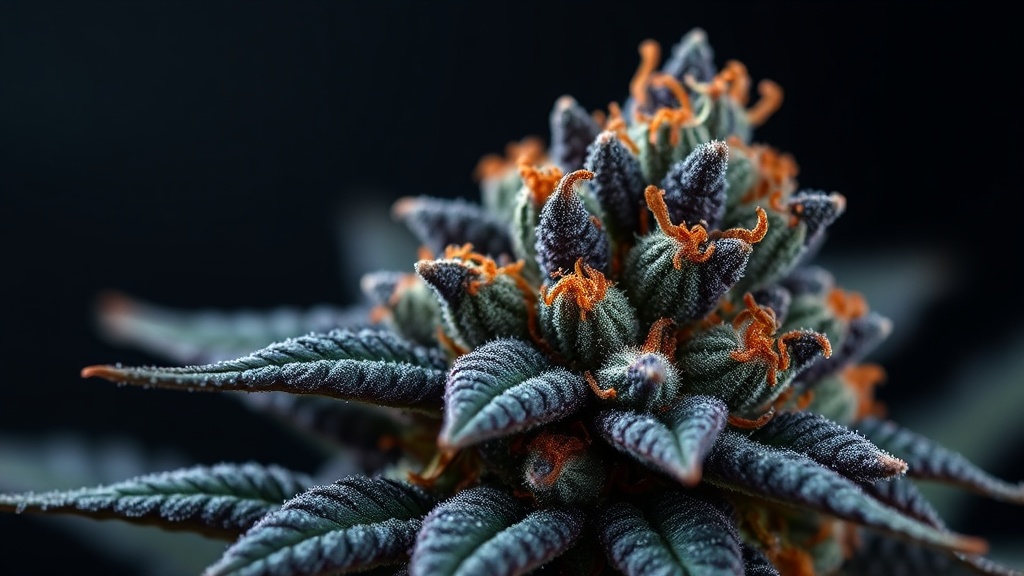
Black Widow Strain: The Complete 2026 Guide
Black Widow earns its name — it's a strain that catches you off guard with how hard it hits. Born from a cross between a Brazilian landrace sativa and a South Indian indica, Black Widow blends the cerebral energy of equatorial genetics with the deep body stone of an Indic landrace. The result is a well-rounded hybrid that has stayed relevant for decades, with THC levels that can realistically push into the mid-to-upper 20s. Whether you're growing it for the first time or trying to understand what makes this strain tick, this guide covers everything: genetics, effects, terpenes, medicinal use, and grow technique.
Black Widow Genetics & Background
Black Widow is a hybrid cannabis strain created by crossing a Brazilian sativa landrace with a South Indian indica. This pairing was strategic — the Brazilian parent contributes cerebral lift, creative energy, and a fast-moving high, while the Indian indica grounds the experience with physical relaxation and body weight. The combination produces what many consider a near-perfect 50/50 hybrid, though phenotype selection can shift the balance toward either end.
Some breeders and seed banks have used the Black Widow name interchangeably with White Widow variants, which has created occasional confusion in the market. True Black Widow maintains its own distinct identity — slightly earthier, woodier, and often darker in terpene character than its white-named cousin. If you're looking for something with a similar pedigree but different personality, it's worth running a comparison using our Strain Comparator.
Black Widow Terpene Profile
The terpene profile is what makes Black Widow genuinely interesting beyond the THC numbers. The three dominant terpenes create a layered aroma that's simultaneously spicy, herbal, and faintly citrusy. Learn more about how these compounds work in our Complete Guide to Cannabis Terpenes or explore them interactively in the Terpene Explorer.
- Caryophyllene — The dominant terpene. It's the spice you smell on the break — black pepper and wood — and it binds to CB2 receptors, making it one of the few terpenes with direct anti-inflammatory action.
- Camphene — Adds a cool, herbal undertone that reads almost medicinal. Thought to have antioxidant properties and contributes to the distinctive "old-school" weed smell some users describe.
- Ocimene — The lightest of the three, adding brightness — sweet citrus and a faint floral quality that softens the otherwise earthy profile.
Black Widow Effects & How It Hits
At 15–28% THC (with typical dispensary flower sitting around 20–24%), Black Widow is not a casual daytime strain for beginners. The onset is fast — cerebral pressure behind the eyes, then a warmth spreading through the chest and limbs. Within 10–15 minutes, most users settle into a deeply relaxed but mentally present state.
The experience is balanced enough that it works across a wide range of contexts:
- Evening social use — The euphoria and mood lift make it excellent for unwinding with company without total sedation.
- Creative work — The 60% focus-enhancement figure is real; many users report heightened concentration at lower doses before the body relaxation takes over.
- Stress relief — Caryophyllene's CB2 activity reinforces the mental calm. It's a smooth, not anxious, kind of high — unless you've overdone the dose.
Potential Side Effects
Dry mouth affects around 40% of users — have water nearby. Dry eyes, dizziness, and anxiety each appear in approximately 20% of reports, almost always at higher doses. Start with 0.3–0.5 g if you're unfamiliar with high-THC strains. Use our Dosage Calculator to dial in your starting point.
Black Widow for Medical Use
Black Widow has built a quiet reputation as a therapeutically effective strain, particularly for:
- Anxiety and chronic stress — The caryophyllene + high-THC combination delivers genuine tension release. See our Best Cannabis Strains for Anxiety (2026) roundup for alternatives and comparisons.
- Depression — The euphoria-to-relaxation arc is well-suited for lifting low mood without the jitteriness of pure sativas. Our Best Strains for Depression and Anxiety guide goes deeper.
- Pain and inflammation — Caryophyllene's anti-inflammatory action gives Black Widow genuine analgesic utility. For more options, check our Best Cannabis Strains for Pain Relief guide.
- Insomnia — Higher doses lean heavily sedative. The 90% relaxation rate speaks for itself.
Not sure if Black Widow is the right fit for your needs? Try the Strain Finder Quiz for personalized recommendations.
Growing Black Widow: What You Need to Know
Black Widow is one of the more forgiving strains at the cultivation level — the kind of plant that rewards beginners while still giving experienced growers room to optimize. Its hybrid vigor from the Brazilian × Indian cross means it handles minor temperature swings and beginner feeding mistakes better than more delicate genetics. If you're new to indoor growing, our How to Grow Cannabis Indoors: Beginner's Guide is a solid starting point.
Key Growing Stats
| Parameter | Details |
|---|---|
| Difficulty | Easy — beginner friendly |
| Flowering Time | 9–10 weeks (photoperiod) |
| Indoor Yield | 350–450 g/m² |
| Outdoor Yield | 300–400 g/plant |
| Outdoor Harvest | Late September – October |
| Climate | Warm, Mediterranean-style preferred |
| THC Range | 15–28% |
Indoor Growing Tips
- Temperature: Maintain 21–27°C (70–80°F) during lights-on. Drop 5–8°C at night during late flower to encourage resin production and terpene expression.
- Training: Black Widow responds excellently to LST and topping. Flipping to 12/12 after topping twice produces a flat, even canopy with multiple colas. See our guide on How to Top Cannabis Plants Multiple Times.
- Feeding: Medium-to-heavy feeder during stretch. Taper nitrogen from week 3 of flower and push phosphorus and potassium through weeks 6–8. If you see discoloration, use the Nutrient Deficiency Identifier to diagnose fast.
- Harvest window: Trichomes will show mostly cloudy with amber beginning to appear around week 9. For maximum THC, harvest at ~10–20% amber. Read our When to Harvest Cannabis: Trichome Guide for the full breakdown.
- Yield planning: Run the numbers before you start with our Yield Calculator — especially useful if you're optimizing space.
Outdoor Growing Tips
Outdoors, Black Widow thrives in warm, low-humidity environments. Its South Indian indica genetics give it moderate resistance to mold and pests, but prolonged rain in late September can cause bud rot on denser colas — keep airflow strong and consider a greenhouse if your climate is unpredictable. Harvest typically runs late September through October. Once cut, schedule a proper dry and cure using our Dry & Cure Timer to lock in those terpenes.
Try the Nutrient Deficiency Identifier →
Seed Selection
Black Widow is available as regular, feminized, and occasionally autoflowering seeds depending on the bank. For most growers, feminized photoperiod seeds offer the best balance of control and yield. If you're still deciding, our Autoflower vs Feminized vs Regular Seeds guide covers the tradeoffs in full.
How Black Widow Compares to Similar Strains
If Black Widow is on your shortlist, you're probably also considering strains with similar hybrid balance or potency profiles. A few worth comparing:
- White Widow — Closely related in name and loosely in genetics; typically less earthy and more resinous on the surface. Slightly lower average THC.
- Berry White — More indica-dominant, sweeter, heavier sedation. Great if you want to push toward the body-stone end. See the full Berry White guide.
- Agent Orange — Sativa-dominant counterpart with more citrus and less body weight. Our Agent Orange guide covers it in depth.
Use the Strain Comparator to stack Black Widow against any of these side by side.
Final Verdict: Is Black Widow Worth Growing in 2026?
Black Widow is one of those strains that earns its place in any rotation — not because of hype, but because it delivers reliably across the board. The genetics are stable, the effects are well-rounded, the terpene profile is genuinely complex, and the cultivation difficulty is low enough that most growers will finish a successful run on their first attempt. At up to 450 g/m² indoors with 9–10 week flowering, it's also efficient. For medical users, the caryophyllene-forward profile combined with meaningful THC makes it particularly effective for anxiety, stress, and pain. In 2026, with the market flooded by newer novelty strains, Black Widow's consistency is exactly what makes it stand out.
More from StrainGuide
Community Grows
See how real growers are cultivating this strain.
Track Your Grow with GrowGuide
Free grow journal app — log feedings, track stages, snap progress photos, and connect with growers.
Get GrowGuide FreeHave a question about this topic?
Ask our AI Bud Tender — powered by the same assistant in the StrainGuide app.