Grape Runtz Strain: Effects, THC%, Terpenes & Grow Guide
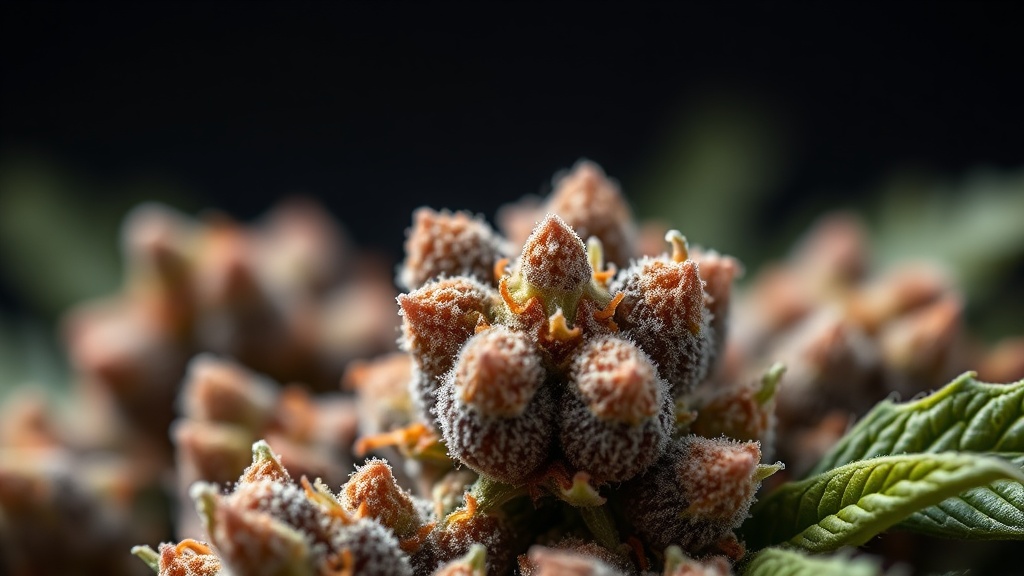
If you've been chasing a strain that delivers real potency wrapped in a dessert-shop aroma, the Grape Runtz strain is worth your full attention. This indica-dominant hybrid combines four heavy-hitting genetics — Zkittlez, Gelato, Grape Ape, and OG Kush — into a package that hits hard on flavor and effects. With THC levels routinely landing between 20% and 28%, it's not a casual daytime strain; it's a deliberate evening choice for users who want full-body relaxation without sacrificing the euphoric lift that makes the experience genuinely enjoyable.
In this guide, we break down exactly what Grape Runtz delivers: its cannabinoid profile, terpene breakdown, verified user effects, flavor notes, and a practical grow section for cultivators ready to take it on.
Grape Runtz Strain Genetics & Background
Grape Runtz didn't come from a single breeder — like many Runtz derivatives, it emerged from the broader Runtz family tree with added grape genetics layered in. The four-way cross gives it a uniquely complex character:
- Zkittlez — contributes the fruity, candy-forward terpene base and indica body weight
- Gelato — adds creamy sweetness, potency, and the dessert-strain aesthetic
- Grape Ape — responsible for the distinct grape and berry notes, plus heavy relaxation
- OG Kush — grounds the profile with earthy, woody depth and a reliable cerebral component
The result is a strain that sits firmly in indica-dominant territory — roughly 70% indica / 30% sativa by most accounts — with a genetic pedigree that explains both its flavor complexity and its above-average THC ceiling.
Grape Runtz Terpene Profile
Understanding the terpenes in Grape Runtz helps explain why it smells and feels the way it does. The four primary terpenes work in concert to create that signature grape-candy-pepper aroma and a layered effect that goes beyond raw THC percentage. For a deeper dive into how terpenes shape your experience, see our Complete Guide to Cannabis Terpenes.
- Limonene (0.5%) — The dominant terpene. Delivers the sweet citrus-candy top note and contributes to mood elevation and stress relief. This is why Grape Runtz smells almost dessert-like before you even break it open.
- Caryophyllene (0.4%) — The spicy, peppery backbone. Acts on CB2 receptors, potentially adding anti-inflammatory and calming properties. It's what gives Grape Runtz a slight edge over purely sweet strains.
- Linalool (0.3%) — Floral and lavender-adjacent. Works synergistically with caryophyllene to deepen the relaxation response without adding heavy sedation at lower doses.
- Myrcene (0.2%) — The earthy, musky foundation. Myrcene is associated with couch-lock at higher concentrations; at 0.2% it contributes body relaxation without completely flooring you.
Want to explore how these terpenes compare across other strains? Use our Terpene Explorer to browse the full spectrum.
Grape Runtz Strain Effects
The Grape Runtz strain effect profile is what you'd expect from a limonene-forward indica-dominant hybrid with a 20–28% THC range: it starts cerebral and euphoric, then settles into a full-body relaxation that makes it ideal for late afternoons and evenings.
Here's how the experience typically unfolds:
- Onset (minutes 1–10): A warm cerebral rush — 84% of users report euphoria as the leading effect. Mood lifts noticeably; social inhibition drops.
- Mid-session (minutes 10–45): The body high kicks in progressively. 74% of users feel deep relaxation; 52% describe giggly, lighthearted energy. This is the window where Grape Runtz shines as a social or creative strain.
- Late-session (60+ minutes): The OG Kush and Grape Ape genetics assert themselves. 41% of users report sleepiness — enough to recommend this as an evening strain for insomnia-prone users. See our roundup of Best Weed for Sleep 2026 for comparison options.
Negative Effects to Watch For
Dry mouth hits 69% of Grape Runtz users — have water nearby. Dry eyes affect 42%. At higher doses (especially above 20mg THC equivalent), 16% of users report anxiety and 12% experience dizziness. If you're new to high-THC indicas, start low. Use our Dosage Calculator to dial in a starting point.
Flavor & Aroma: What Grape Runtz Actually Tastes Like
Grape Runtz smells exactly like its name suggests — sweet, candied grape with a pepper backbone that keeps it from being one-dimensional. On the inhale you get bright grape candy, almost like biting into a grape-flavored hard candy. The exhale brings in the creamy Gelato influence: a smooth, dessert-like finish with subtle earthy wood from the OG Kush side.
Visually, properly grown Grape Runtz typically shows dense, resin-heavy buds with purple and green coloration — the anthocyanin expression from Grape Ape activated by cooler nighttime temperatures during flower.
Growing the Grape Runtz Strain
Grape Runtz earns its moderate-to-hard difficulty rating. It rewards experienced growers who understand environmental control and training techniques, but it can frustrate beginners who aren't managing VPD, humidity, and feeding schedules tightly.
Key Growing Stats at a Glance
| Parameter | Detail |
|---|---|
| Difficulty | Moderate to Hard |
| Flowering Time | 8–9 weeks |
| Plant Height | 3–5 feet (medium) |
| Indoor Yield | 350–450 g/m² |
| Outdoor Yield | 400–500 g/plant |
| Best Environment | Indoor (climate control recommended) |
Training & Structure Tips
Grape Runtz grows with a bushy, medium-height profile that responds well to low-stress training (LST) and topping. The goal is to open the canopy and maximize light penetration to those dense lower nodes. A proper SCROG setup can push your indoor yields toward the upper end of the 350–450 g/m² range. For a detailed approach to canopy management, see our guide on How to Top Cannabis Plants Multiple Times.
Defoliate aggressively at week 3–4 of flower to prevent moisture buildup in the dense bud sites — a real mold risk given Grape Runtz's tight cola structure.
Environment & Feeding
- Temperature: 70–80°F (21–27°C) during lights on. Drop nighttime temps to 60–65°F in late flower to trigger purple anthocyanin expression.
- Humidity: Keep relative humidity below 45% during late flower. Dense buds = elevated botrytis risk.
- Nutrients: Grape Runtz responds well to moderate-to-heavy feeding during stretch and early flower. Taper nitrogen hard after week 4 of flower and push phosphorus and potassium. Watch for any deficiency signs — our Nutrient Deficiency Identifier can help you diagnose issues quickly.
- Lighting: Aim for 700–900 PPFD during veg, pushing to 1000–1100 PPFD in flower. Use our Grow Light Calculator to confirm your DLI targets.
Harvest Timing
At 8–9 weeks of flower, Grape Runtz should show mostly cloudy trichomes with 20–30% amber at peak potency and relaxation. Harvesting earlier (mostly cloudy, minimal amber) gives a more energetic, euphoric-leaning effect. Waiting for more amber shifts it deeper into sedative territory. For a complete guide to reading trichomes accurately, see When to Harvest Cannabis: Trichome Guide.
Try the Grow Light Calculator →
Try the Nutrient Deficiency Identifier →
After harvest, plan for a minimum 10–14 day dry followed by a 4–6 week cure. Use our Dry & Cure Timer to schedule it properly — the terpene expression in Grape Runtz is complex enough that rushing the cure will cost you noticeably on flavor.
To estimate your expected harvest weight before you start, plug your setup into our Yield Calculator.
Grape Runtz vs. Similar Strains
If Grape Runtz appeals to you, these related strains are worth comparing:
- Banana Runtz — Similar Runtz lineage but with tropical banana notes instead of grape; slightly less sedating
- Apple Runtz — Lighter, more citrus-forward flavor; easier to grow
- Purple Punch — Shares the grape-dominant flavor and heavy indica body; slightly lower THC ceiling
- Grape Gas — Pairs grape sweetness with diesel fuel; more head-heavy than Grape Runtz
- Gelato 41 — The Gelato parent lineage explored in depth; useful context for understanding Grape Runtz's creamy sweetness
Want a side-by-side breakdown? Use our Strain Comparator to stack Grape Runtz against any of these head-to-head.
Who Should Try Grape Runtz
Grape Runtz is built for users who want a high-THC indica experience that doesn't sacrifice flavor or cerebral engagement. It's ideal for:
- Evening users who want mood elevation before settling into deep relaxation
- Anyone who prioritizes flavor — the grape-candy-cream profile is genuinely excellent
- Users dealing with stress, low mood, or end-of-day tension — see our Best Weed Strain for Depression 2026 roundup for context on where it fits
- Experienced growers ready to manage a demanding but rewarding cultivar
Not the right fit if you need daytime functionality, low anxiety risk, or an easy first grow. In those cases, our Strain Finder Quiz will point you toward better-suited options.
Final Verdict on the Grape Runtz Strain
Grape Runtz earns its reputation. The four-way genetic cross delivers exactly what it promises: a candy-grape flavor profile backed by legitimate 20–28% THC potency, a terpene stack that layers mood elevation with deep body relaxation, and yields that reward careful cultivation. The 8–9 week flower window is reasonable for the output you get, and the moderate-to-hard grow difficulty is manageable if you've got a few cycles under your belt.
The biggest takeaways: respect the THC ceiling if you're sensitive, keep late-flower humidity in check to protect those dense colas, and don't rush the cure — the terpene complexity of Grape Runtz is one of its best features, and it needs time to fully develop.
More from StrainGuide
Community Grows
See how real growers are cultivating this strain.
Track Your Grow with GrowGuide
Free grow journal app — log feedings, track stages, snap progress photos, and connect with growers.
Get GrowGuide FreeHave a question about this topic?
Ask our AI Bud Tender — powered by the same assistant in the StrainGuide app.