Grape Gas Strain: Effects, Terpenes & Grow Guide
TL;DR
Grape Gas (also called Grape Gasoline) is a potent hybrid strain bred from Grape Pie × Jet Fuel Gelato. It delivers THC levels between 15–34.3%, a signature grape-meets-diesel aroma, and a balanced high that leans euphoric and relaxing. It's a moderate grow with an 8–9 week flower time and a trophy cabinet most strains can only dream of — including 2x High Times Cannabis Cup wins and Leaflink's best-selling flower in California.
What Is the Grape Gas Strain?
The grape gas strain has carved out a legitimate reputation as one of the most flavorful high-THC hybrids to come out of the California cannabis scene. Born from the cross of Grape Pie and Jet Fuel Gelato, it inherits dense, resinous structure from Gelato genetics and a unmistakable fuel-tinged grape candy aroma that hits the second you crack the jar. For enthusiasts who want both — big flavor and ceiling-scraping potency — Grape Gas delivers on both fronts.
It's a true hybrid in terms of effects, offering an initial cerebral lift that transitions into a comfortable body relaxation without knocking you flat. That balance has made it a consistent bestseller and award winner across California dispensaries. If you're chasing strains in the gas weed category or exploring premium Gelato crosses, Grape Gas sits at the top of the tier list.
Grape Gas Strain Genetics & Lineage
Grape Gas is a cross of two standout modern strains:
- Grape Pie — A dessert-forward indica hybrid (Cherry Pie × Grape Stomper) responsible for the sweet grape, berry, and cherry flavor notes.
- Jet Fuel Gelato — A high-octane hybrid blending Jet Fuel's diesel punch with Gelato's creamy sweetness and resin production. Gelato 41 runs prominently in this lineage.
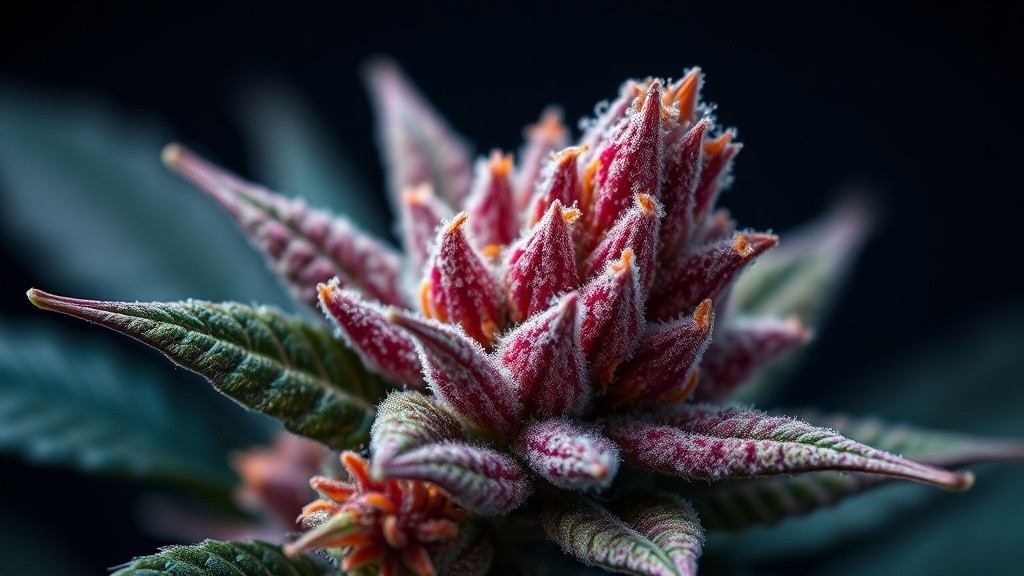
The result is a hybrid that leans slightly indica in structure — compact, dense nugs loaded with trichomes — but delivers a well-rounded effect profile. THC routinely tests between 25–34% in premium cuts, with CBD staying low at 0.1–1% and CBG around 1%.
Grape Gas Terpene Profile
The terpene chemistry behind Grape Gas is what separates it from generic "purple gas" knockoffs. Myrcene anchors the earthy-musky foundation, caryophyllene brings the spicy diesel bite, and limonene adds the bright citrus-grape sparkle on the exhale. Linalool softens the edges with floral lavender notes, while humulene adds an herbal depth that keeps the aroma complex rather than one-dimensional.
Want to dig deeper into how these terpenes interact? Our Terpene Explorer lets you browse the full chemistry. For a broader breakdown of what terpenes do, see our Complete Guide to Cannabis Terpenes.
Grape Gas Strain Effects
Grape Gas is a well-balanced hybrid but leans toward an euphoric, uplifting onset followed by a warm, relaxing body settle. The high THC content means it punches hard — this isn't an everyday casual smoke for low-tolerance users. At 25%+ THC, even seasoned consumers will feel it after a bowl or two.
Here's what users report most consistently:
- Happy — 80% of users
- Euphoric — 74%
- Relaxed — 70%
- Uplifted — 66%
- Creative — 57%
On the downside, dry mouth is the most common complaint (65%), with dry eyes affecting around 41% of users. Anxiety and paranoia are possible at 18% and 14% respectively — manage your dose if you're sensitive to high-THC cultivars.
Medical & Wellness Uses
The grape gas strain has a solid track record for therapeutic use, driven largely by its myrcene and caryophyllene dominance — both of which have established links to stress reduction and anti-inflammatory pathways. Here's what the user data shows:
- Stress relief — 79% of medical users
- Anxiety — 62%
- Depression — 60%
- Pain — 57%
- Insomnia — 49%
- Nausea — 44%
Given its strong depression and anxiety numbers, Grape Gas is worth considering alongside our curated lists of best weed strains for depression and top cannabis strains for anxiety relief. For pain-focused users, check out best strains for pain 2026 for direct comparisons. If insomnia is your main concern, our best cannabis strains for sleep guide covers complementary options.
The linalool content also adds a gentle anxiolytic touch that helps smooth out the edges that sometimes come with high-THC cultivars — making Grape Gas slightly more forgiving than a pure THC bomb like a GMO or raw Jet Fuel cut.
Flavor & Aroma: What Does Grape Gas Actually Taste Like?
The name does most of the work here. On the nose, you get a bold hit of grape candy and ripe berry layered over a pungent diesel fuel base. Break the bud open and the earthy, almost skunky bottom notes surface. On the inhale, it's sweet and fruity — closer to concord grape than an artificial flavor. On the exhale, the fuel and spice from caryophyllene kick in, leaving a lingering herbal-diesel aftertaste.
Flavor notes to expect:
- Concord grape / dark berry
- Diesel / fuel
- Cherry and floral (linalool influence)
- Earthy, herbal base
- Subtle citrus on exhale (limonene)
It's one of the more complex flavor profiles in the gas category — not just a one-note fuel blast. That's a direct result of the Grape Pie parentage balancing the Jet Fuel Gelato's aggressive diesel character.
Grape Gas Strain Awards & Recognition
Few strains can match the trophy shelf Grape Gas has accumulated:
- 🏆 2x High Times Cannabis Cup Winner
- 🏆 Best of Secret Sesh Winner
- 🏆 Blazer's Cup Winner
- 🏆 Leaflink Best-Selling Flower in California (2019)
- 🏆 Best Pre-Roll in California — LA Weekly (2022)
- 🏆 Best Pre-Roll in California — Weedmaps (2023)
- 🏆 8x Award Winner — Farmers Cup
- 🏆 1st Place Indoor Flower
- 🏆 1st Place Non-Infused Pre-Roll (Unicornz)
That level of consistent recognition across different judging formats — from pre-rolls to indoor flower — signals genuine quality rather than a one-batch fluke. THC Design in California is one of the most recognized producers of this cut.
Growing the Grape Gas Strain
Growing the grape gas strain is rated moderate difficulty — accessible to growers with a few cycles under their belt, but not ideal as a first grow. Here's a practical breakdown:
Key Growing Stats
| Parameter | Detail |
|---|---|
| Flowering Time | 8–9 weeks |
| Yield | Medium |
| Height | Medium (manageable indoors) |
| Difficulty | Moderate |
| Climate | Temperate, controlled |
| Best Environment | Indoor or outdoor (warm climate) |
Indoor Growing Tips
Grape Gas thrives in a stable, controlled environment. The resin production is exceptional — colas get dense and sticky by week 7, which means humidity management is critical in late flower. Keep RH below 45% in weeks 7–9 to prevent botrytis in those thick central colas.
- Training: Responds well to LST and light topping early in veg. Topping once or twice maximizes canopy coverage and helps distribute weight. See our guide on how to top cannabis plants multiple times for technique.
- Branch support: Stakes or a SCROG net are recommended from week 5 of flower — colas get heavy.
- Odor management: Grape Gas is extremely pungent. Budget for a quality carbon filter — the terpene output is significant.
- Nutrients: Standard bloom feeding schedule works well. Avoid overfeeding nitrogen in late veg — it's prone to slight tip burn. Our cannabis nutrient deficiency chart is useful if you start seeing unusual leaf signs.
- Lighting: Responds to higher DLI values (40–50 mol/m²/d) in peak flower. Use our Grow Light Calculator to dial in your PPFD targets.
Harvest & Cure
At 8–9 weeks, check trichomes with a loupe or microscope. Look for mostly cloudy with 10–20% amber for peak potency and flavor balance. The resin on Grape Gas is dense and amber-tinted — a visually stunning harvest. Check our trichome harvest guide for a detailed visual walkthrough.
Try the Grow Light Calculator →
A proper 10–14 day dry followed by a 4–6 week cure will significantly improve the grape terpene expression. Use our Dry & Cure Timer to build a schedule that protects your terps. To estimate your expected haul before harvest, plug your setup into the Yield Calculator.
Outdoor & Greenhouse
Grape Gas can perform outdoors in warm, temperate climates (think Northern California conditions). Harvest typically falls in late September to early October. Watch for late-season moisture — the dense colas are mold-prone in wet autumns. A light defoliation in the final two weeks helps airflow significantly.
Grape Gas vs. Similar Strains
If you're shopping or planning your next grow and considering alternatives, here's how Grape Gas stacks up:
- Grape Gas vs. Gelato: Gelato is smoother and more balanced; Grape Gas hits harder with more pungent fuel notes and higher THC ceilings.
- Grape Gas vs. Biscotti: Both share cookie/gelato lineage but Grape Gas is distinctly fruitier and more aromatic; Biscotti leans earthier and more sedating.
- Grape Gas vs. Purple Haze: Purple Haze is a classic sativa-dominant; Grape Gas is more potent, modern, and balanced with better resin production.
Not sure which strain fits your needs? Try our Strain Finder Quiz for a personalized match, or compare Grape Gas head-to-head with another cultivar using the Strain Comparator.
Who Should Try the Grape Gas Strain?
Grape Gas is an excellent pick if you:
- Love complex, fruit-forward gas aromas with real depth
- Want a high-THC hybrid that's balanced rather than couch-locking
- Need something effective for stress, anxiety, or mild-to-moderate pain
- Are an intermediate grower ready for a moderately demanding but rewarding cultivar
- Appreciate award-winning genetics with real competition pedigree
It's not the best pick for new consumers due to its high THC ceiling — if you're starting out, work up to it. Use our Dosage Calculator to find a starting point that suits your tolerance.
Final Thoughts on Grape Gas
The grape gas strain has earned its status as a California cannabis icon. From its Grape Pie × Jet Fuel Gelato lineage to its stacked trophy case, it checks every box: stunning aroma, potent and balanced effects, versatile therapeutic applications, and a grow profile that rewards attentive cultivators. THC ranging up to 34.3% puts it among the most potent hybrids available, while the myrcene-caryophyllene-linalool terpene stack keeps the experience rich and nuanced rather than just loud.
Whether you're picking it up at a dispensary or sourcing seeds for your next run, Grape Gas is a strain that justifies its hype — consistently, across multiple harvests and multiple judges' tables.
More from StrainGuide
Community Grows
See how real growers are cultivating this strain.
Track Your Grow with GrowGuide
Free grow journal app — log feedings, track stages, snap progress photos, and connect with growers.
Get GrowGuide FreeHave a question about this topic?
Ask our AI Bud Tender — powered by the same assistant in the StrainGuide app.