Purple Lemonade Strain: Complete Guide
TL;DR — Purple Lemonade at a Glance
- Type: Indica-dominant hybrid (~70% indica / 30% sativa)
- THC: 18–22% average, some cuts pushing 24%
- Terpenes: Limonene, Myrcene, Caryophyllene, Linalool
- Effects: Euphoric, relaxing, mood-lifting, body-heavy at higher doses
- Flavors: Lemon zest, grape, berry, floral undertones
- Flowering time: 56–63 days (8–9 weeks)
- Yield: 400–500g/m² indoors; up to 600g/plant outdoors
- Best for: Evening use, stress relief, creative relaxation
What Is Purple Lemonade?
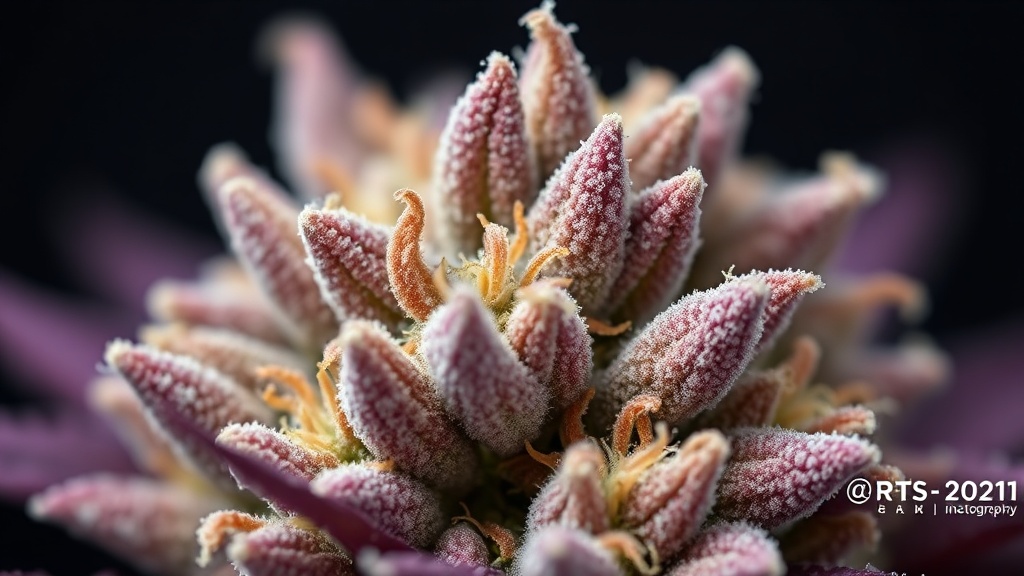
Purple Lemonade is one of those strains that delivers exactly what its name promises — and then some. This indica-dominant hybrid combines the electric citrus punch of lemon-forward genetics with the deep, candy-sweet profile of purple strains, resulting in buds that look like a sunset and taste like a spiked lemonade. If you've been hunting for a strain with real bag appeal, unmistakable flavor, and a well-rounded evening high, Purple Lemonade deserves a serious look.
The strain is most commonly attributed to Fast Buds, the autoflowering seed bank, which popularized it as a fast-finishing auto. There are also photoperiod versions floating around in the market under the same name, though the Fast Buds cut is the most widely recognized and grown. Lineage traces back to Purple Lemonade Auto genetics that combine a citrusy Californian hybrid with a purple autoflowering Afghan line — giving you that trademark color, structure, and terpene stack.
Purple Lemonade Terpene Profile
The terpene makeup of Purple Lemonade is what separates it from generic purple strains. Limonene leads the charge, giving the strain its signature bright, zesty lemon peel aroma. Myrcene rounds out the body of the smell with earthy musk and contributes to the relaxing, sedative edge. Caryophyllene adds spice and may contribute mild anti-inflammatory effects, while Linalool — the same terpene found in lavender — brings a floral, calming layer that ties the whole profile together.
This terpene combination produces an aroma that's unmistakably citrus-forward in the jar, but shifts on the exhale toward grape candy and a soft floral finish. It's a complex smell for a strain at this price point, and one of the main reasons Purple Lemonade has developed such a loyal following among flavor chasers.
Purple Lemonade Effects: What to Expect
Purple Lemonade hits with a fast-acting cerebral uplift — that's the limonene and sativa genetics kicking in. Within 10–15 minutes, most users report a mood elevation and light creative energy. Don't be fooled though: this is still an indica-dominant plant, and within 30–45 minutes the body high sets in progressively. At 1–2 hits, it's a great daytime wind-down or creative session strain. At higher doses, expect full-body relaxation and couch lock territory.
Common reported effects include:
- Euphoria: Almost immediate, driven by limonene's mood-enhancing properties
- Stress relief: One of the most consistent use cases — this strain melts tension
- Mild creativity: Best at low-to-moderate doses; doesn't typically produce racing thoughts
- Body relaxation: Progressive, settling in around the 30-minute mark
- Appetite stimulation: Myrcene and indica genetics contribute to noticeable munchies
Purple Lemonade is well-suited for managing anxiety and depression thanks to the limonene-linalool combination — both terpenes have demonstrated anxiolytic properties in preliminary research. It also appears in discussions around pain and inflammation relief, particularly for mild-to-moderate discomfort where you want relief without being completely knocked out.
Flavor and Aroma Breakdown
If you enjoy strains like Gelato or Mochi Gelato for their dessert-forward profiles, Purple Lemonade will feel familiar but distinctly more citrus-bright. The smell on fresh buds is loud lemon with a purple candy backend — almost like grape-flavored lemonade candy. When smoked or vaped, the inhale is smooth citrus and floral, while the exhale reveals berry jam, light fuel, and a lingering sweet finish. It's genuinely one of the more pleasant-smelling strains in the indica-dominant category.
Growing Purple Lemonade
Autoflower vs. Photoperiod
The most common Purple Lemonade seeds on the market are autoflowering (specifically Fast Buds' version). These finish in just 56–63 days from seed to harvest — no light schedule manipulation required. This makes them a strong option for beginners or anyone running a perpetual harvest setup. Photoperiod versions exist from smaller breeders but are less consistent in quality and genetics.
Preferred Growing Environment
Purple Lemonade thrives in both indoor and outdoor settings. Indoors, it stays compact — typically 60–100cm — making it excellent for grow tents. It responds well to low-stress training (LST) to open up the canopy and maximize light penetration. For a full breakdown of topping and training technique, check out our guide on how to top cannabis plants multiple times.
- Indoor temp: 20–26°C during lights-on; allow a 5–8°C drop during lights-off to trigger anthocyanin expression (the purple color)
- Humidity: 40–50% RH in late flower to protect against botrytis
- Light: 18/6 for autos; 12/12 for any photoperiod versions
- Medium: Performs well in coco/perlite or lightly amended living soil
- Nutrients: Moderate feeder — don't over-push nitrogen; back off hard in weeks 5–6 of flower
Triggering the Purple Colors
The purple hues in Purple Lemonade come from anthocyanins — pH-sensitive pigments that activate at cooler temperatures. To maximize color expression, drop nighttime temps to 15–18°C during the last 3 weeks of flowering. This is purely cosmetic but produces genuinely stunning buds with deep violet and indigo tones against the bright orange pistils. Some growers also note that lower phosphorus runoff during flush encourages deeper color, though temperature remains the primary driver.
Yield Expectations
Indoor growers running 600W HPS or equivalent LED can expect 400–500g/m² under optimized conditions. Outdoor plants in a warm climate (Mediterranean or similar) can push 500–600g per plant by late September to mid-October. These are solid numbers for an autoflower, and part of what makes the Fast Buds version so popular with both hobbyist and commercial micro-growers.
If you're new to starting from seed, our guide on how to plant germinated cannabis seeds covers the early-stage setup in detail.
Purple Lemonade vs. Similar Strains
| Strain | Type | THC | Primary Terpenes | Best For |
|---|---|---|---|---|
| Purple Lemonade | Indica-dominant hybrid | 18–22% | Limonene, Myrcene, Caryophyllene | Evening relaxation, flavor |
| Gelato 41 | Balanced hybrid | 20–25% | Caryophyllene, Limonene, Myrcene | Social, creative, flavor |
| Mango Kush | Indica-dominant | 16–20% | Myrcene, Pinene, Caryophyllene | Deep body relaxation |
| Biscotti | Indica-dominant | 21–25% | Caryophyllene, Limonene, Myrcene | Heavy relaxation, dessert flavor |
Who Should Try Purple Lemonade?
Purple Lemonade is an excellent all-rounder for intermediate consumers who want something flavorful and functional without being overwhelmed. It's particularly well-suited to:
- Evening users who want to decompress without full sedation early in the night
- Flavor-forward smokers who prioritize terpenes and aroma over raw THC numbers
- Growers who want a high-yielding, visually striking plant that finishes fast
- Stress and anxiety patients looking for a citrus-terpene dominant option with linalool support
High-tolerance users chasing maximum potency may want to look at heavier hitters, but for most consumers, Purple Lemonade's 18–22% THC sits in a sweet spot that allows for genuine enjoyment over multiple sessions without burning through your tolerance.
Final Verdict
Purple Lemonade earns its reputation on three fronts: appearance, flavor, and effect. The deep purple buds coated in trichomes make it one of the more photogenic strains you'll grow or buy, the limonene-dominant terpene profile delivers real sensory complexity, and the indica-leaning high strikes a practical balance between mental uplift and physical ease. Whether you're growing it in a tent or picking it up at a dispensary, this is a strain worth spending time with — especially if you've been sleeping on autoflowering genetics as a whole.
More from StrainGuide
Have a question about this topic?
Ask our AI Bud Tender — powered by the same assistant in the StrainGuide app.