Blue Cheese Strain: Effects, Flavor Profile & Grow Guide
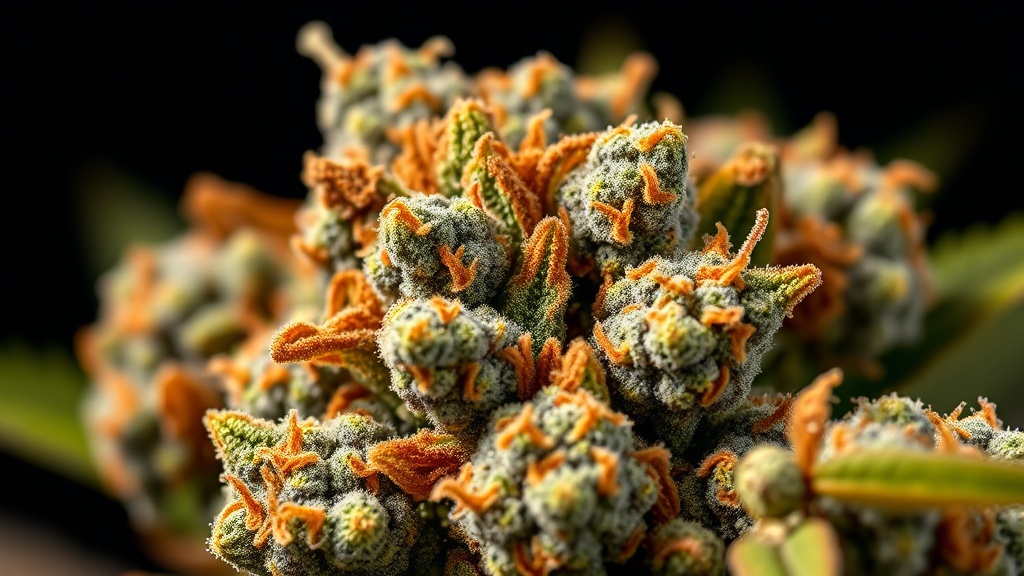
TL;DR: The blue cheese strain is an indica-dominant hybrid bred from Blueberry × UK Cheese. It sits at 15–20% THC, hits with deep body relaxation and euphoria, and is one of the easiest strains to grow — yielding up to 550g/m² indoors in 7–9 weeks of flower. Its funky, creamy, fruit-forward flavor is genuinely unlike anything else on the shelf.
What Is the Blue Cheese Strain?
Blue Cheese is a classic indica-dominant hybrid that came out of the UK cannabis scene in the early 2000s. The cross is straightforward: Blueberry provides the sweet, fruity backbone, while UK Cheese (a phenotype of Skunk #1) brings that unmistakable sharp, savory funk. The result is a strain with a flavor profile so distinctive that once you've smelled it, you'll recognize it instantly on any shelf or in any grow room.
Genetically, it leans indica — most phenos run around 80% indica / 20% sativa. That heritage shows in both the plant structure (compact, bushy, heavy-budded) and the effects (body-forward, calming, sleep-adjacent at higher doses). THC typically lands between 15% and 20%, making it potent but not overwhelming — a solid middle ground for daily users and beginners alike.
Blue Cheese has been a fixture in dispensaries across the UK, US, and Europe for over two decades, and its popularity hasn't faded. If anything, consistency improvements in cultivation have made modern Blue Cheese more reliable than ever in terms of cannabinoid and terpene expression.
Blue Cheese Strain Terpene Profile
The terpene lineup in Blue Cheese explains everything about its aroma and effects. Three terpenes dominate:
- Myrcene — The dominant terpene. Musky, earthy, slightly herbal. Myrcene is responsible for the couch-lock undertone and the deep body relaxation the strain is known for. It's the same terpene that dominates OG Kush and other heavy indicas.
- Caryophyllene — Adds a spicy, peppery edge that cuts through the fruit and cheese. It also binds to CB2 receptors, contributing anti-inflammatory properties without psychoactive effects.
- Limonene — Present in smaller amounts, limonene brings subtle citrus brightness and is associated with mood elevation and stress relief.
Want to explore how these terpenes interact with other strains? Check out the Terpene Explorer to browse terpene profiles side by side.
For a deeper dive into how terpenes shape your experience, the Complete Guide to Cannabis Terpenes is worth a read.
Blue Cheese Strain Effects
Blue Cheese is a body-first strain. The onset is relatively quick — within 5–10 minutes of smoking — starting with a warm, spreading relaxation that works from the shoulders down. A mild euphoric head buzz accompanies the physical effects, keeping the experience pleasant rather than sedating (at moderate doses).
At higher doses or for lower-tolerance users, Blue Cheese slides toward sleepiness, which makes it a popular evening or nighttime choice. It's frequently used for:
- Stress relief — The myrcene + caryophyllene combo is particularly effective at unwinding physical tension after a long day
- Sleep support — At 1.5–2x a standard dose, drowsiness is predictable and reliable; check the Best Cannabis Strains for Sleep (2026) roundup for how it compares
- Mood elevation — The limonene and euphoric onset make it useful for low-grade anxiety and depression; see also Best Strains for Anxiety and Depression 2026
- Appetite stimulation — Classic indica munchies apply here
- Chronic pain — Caryophyllene's CB2 activity combined with full-body relaxation makes this a go-to for muscle pain and tension headaches
Negative effects are mild for most users. Dry mouth and dry eyes are the most common. Some users report light anxiety or paranoia if doses are too high — the typical indica overconsumption experience. Pacing yourself the first time is always smart.
Not sure if Blue Cheese suits your needs? The Strain Finder Quiz can match you to strains based on your desired effects and experience level.
Blue Cheese Strain Cannabinoid Breakdown
| Cannabinoid | Typical Range | Notes |
|---|---|---|
| THC | 15–20% | Moderate-high; approachable for most users |
| CBD | <1% | Typical for recreational cultivars |
| CBG | ~1% | Minor cannabinoid with potential anti-inflammatory activity |
Flavor and Aroma: What Does Blue Cheese Actually Taste Like?
This is where Blue Cheese earns its cult following. The name is not an exaggeration — the aroma genuinely smells like ripe blueberries crossed with sharp aged cheese. It's funky, creamy, fruity, and slightly sour all at once. On the exhale, the flavor smooths out into a creamy blueberry finish with an earthy, savory aftertaste that lingers.
Breaking it down:
- Nose: Blueberry jam, sharp cheddar, earthy musk, faint spice
- Taste (inhale): Sweet berry, tangy cheese, herbal undertone
- Taste (exhale): Creamy blueberry, pepper, smooth earthiness
It's a polarizing flavor — some people love the funky cheese element, others find it an acquired taste. Either way, it's unmistakable and unlike anything in the blue cannabis strains category.
Growing the Blue Cheese Strain
Blue Cheese is genuinely one of the better beginner strains you can grow. It's forgiving, mold-resistant, compact, and a reliable producer. Here's what to expect:
Key Growing Stats
| Parameter | Indoor | Outdoor |
|---|---|---|
| Flowering Time | 7–9 weeks | Early–mid October harvest |
| Yield | Up to 550g/m² | 500–550g per plant |
| Height | ~5 feet (150cm) | Up to 7 feet (210cm) |
| Difficulty | Easy | Easy |
| Preferred Climate | Warm, moderate humidity | Temperate to warm |
Indoor Growing Tips
Blue Cheese grows compact and bushy — it's a natural candidate for low-stress training (LST) and ScrOG setups to maximize light penetration across the canopy. The plant doesn't stretch aggressively at the flip, so you won't get caught off guard with height issues. A 7-week flower run is achievable with a dialed-in environment; pushing to 8–9 weeks will increase resin production and deepen the flavor profile.
Key indoor considerations:
- Keep humidity below 50% during late flower — buds are dense and can trap moisture
- Run temps between 68–78°F (20–26°C) during lights-on for optimal terpene preservation
- Feed moderately — Blue Cheese isn't a heavy feeder; overfertilizing shows up as leaf tip burn
- Defoliate at week 3–4 of flower to improve airflow through the dense canopy
New to indoor growing? The How to Grow Cannabis Indoors: Beginner's Guide covers everything from seed to harvest. You can also use the Yield Calculator to estimate what your setup could produce.
Harvest and Curing
Trichome reading is the most reliable way to time your harvest. For Blue Cheese, aiming for mostly milky trichomes with 10–20% amber will give you the relaxing, body-heavy effect the strain is bred for. More amber = more sedation. Use the trichome harvest guide to nail your timing.
Post-harvest, a proper dry and cure is critical for preserving the cheese-blueberry terpene expression. Dry slowly at 60–65°F for 10–14 days, then jar-cure for a minimum of 3–4 weeks. The flavor complexity opens up significantly after a 6-week cure. Use the Dry & Cure Timer to track your schedule.
Topping and Training
Blue Cheese responds well to topping. A single top at node 4–5 creates a natural two-cola structure that fills out with the plant's bushy genetics. Multiple toppings are possible — the plant handles stress well. For details on the technique, see How to Top Cannabis Plants Multiple Times.
Blue Cheese vs. Similar Strains
Wondering how Blue Cheese stacks up against its relatives and peers? Here's a quick comparison:
- Blueberry — The parent strain. Sweeter and fruitier with less funk, similarly indica-heavy. Blue Cheese inherits Blueberry's relaxation profile but adds complexity from the Cheese lineage.
- Bubba Kush — Comparable indica body effect, but earthier and more coffee-chocolate in flavor. Less euphoric, more sedating overall.
- Blue Dream — Shares the Blueberry lineage but is a sativa-dominant hybrid. Much more energetic and cerebral — good comparison for understanding how genetics shape effects despite a shared parent.
Use the Strain Comparator to run a head-to-head between Blue Cheese and any strain in our database.
Who Is Blue Cheese Best For?
Blue Cheese hits a sweet spot that makes it versatile across user types:
- Evening and nighttime users who want relaxation without immediate knockout at standard doses
- Beginner smokers who want a forgiving, moderate-THC strain with a manageable effect profile
- Medical users managing stress, mild-to-moderate pain, insomnia, or low appetite — see Best Strains for Pain 2026 for context
- First-time growers who want a rewarding, low-maintenance plant with solid yields
- Flavor-forward consumers who appreciate complexity over pure potency
If you're still deciding whether Blue Cheese is right for your needs, try the Strain Finder Quiz for a personalized recommendation.
Final Verdict on the Blue Cheese Strain
Blue Cheese has been around long enough to prove it's not a gimmick. The flavor profile is genuinely unique — there's nothing quite like its blueberry-funk combination in the current market. The effects are reliable, approachable, and well-suited to end-of-day unwinding. And as a grow, it delivers one of the best yield-to-effort ratios you'll find in an indica-dominant cultivar.
At 15–20% THC with a dominant myrcene-caryophyllene terpene stack, it threads the needle between recreational enjoyment and practical therapeutic use. Whether you're picking it up from a dispensary or running it in your tent, Blue Cheese consistently delivers.
More from StrainGuide
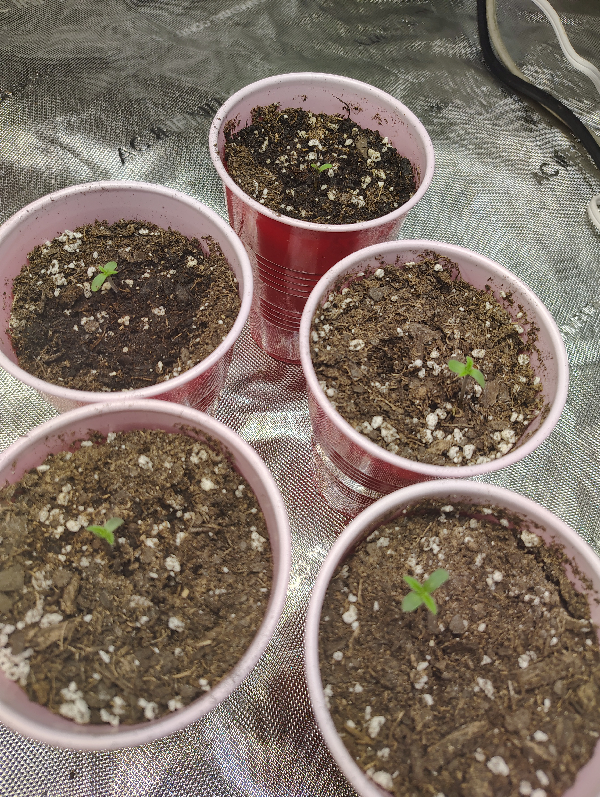
Community Grows
See how real growers are cultivating this strain.

Track Your Grow with GrowGuide
Free grow journal app — log feedings, track stages, snap progress photos, and connect with growers.
Get GrowGuide FreeHave a question about this topic?
Ask our AI Bud Tender — powered by the same assistant in the StrainGuide app.