What Is a Candy Strain?
The candy strain category covers any cannabis cultivar bred primarily for sweet, sugary, confection-like aromas and flavors. These aren't novelty grows — breeders have spent years crossing heavy-yielding genetics with flavor-forward parents like Granddaddy Purple, Chemdawg, and Skunk varieties to produce plants that genuinely smell like a candy shop at harvest. The result is a diverse group of hybrids that satisfy both the palate and the high-THC demand of modern consumers.
What ties candy strains together chemically is their terpene lineup: limonene, myrcene, ocimene, and linalool dominate, each contributing to the sweet, fruity, and occasionally floral notes that define the category. If you want to dig deeper into how these compounds shape flavor and effect, our Complete Guide to Cannabis Terpenes covers the science in detail. You can also explore individual terpene profiles interactively with the Terpene Explorer.
The 5 Most Notable Candy Strains
1. Candyland — The Classic Sativa-Leaning Candy Strain
Candyland is the most well-known entry in this category and the benchmark against which other candy strains are measured. It's a sativa-dominant hybrid born from Granddaddy Purple and Platinum Cookies — two heavy-hitters in their own right. THC sits between 19% and 24%, with barely any CBD (0.1–0.2%), meaning this is a recreational-forward strain built for head effect first.
The dominant terpenes are caryophyllene (~0.55%), limonene (~0.45%), and humulene (~0.28%). That caryophyllene-heavy profile gives Candyland a spicy edge underneath the sweetness — it's candy with a kick, not pure saccharine. Effects are uplifting, creative, and euphoric. Growers get an 8–9 week flowering window and can run it indoors or out without drama. For anyone new to the category, this is the logical starting point.
2. Candy Chem — The Chemdog Twist on Sweet
Candy Chem crosses Chemdawg with Super Snow Dog, producing a hybrid that delivers an unexpected but addictive flavor: berry and wildflower on the nose, sweet fruit mid-palate, and a mild chemical tang on the exhale. THC lands around 17%, making it the most accessible of the five for newer consumers. The terpene trio of myrcene, pinene, and caryophyllene creates a grounded, earthy backbone beneath the sweetness.
Effects open with creative energy and mild stimulation before settling into relaxation — a classic arc for caryophyllene-forward hybrids. Flower time runs 60–70 days, medium-height plants, and the buds come out notably resinous for the potency level. If you enjoy strains in the GG4 or Gas Monkey lineage but want more sweetness, Candy Chem is worth a run.
3. Candy Skunk — The Balanced Middle Ground
At 21.7% THC, Candy Skunk sits squarely in the sweet spot for most cannabis consumers — potent enough to satisfy veterans, not so overwhelming that newcomers tap out. Its terpene profile of pinene, myrcene, and limonene produces citrus and pine flavors with a berry finish. Effects cover the full candy-strain range: creativity, relaxation, euphoria, and happiness hit in sequence rather than all at once.
Cultivation difficulty is moderate. The Skunk genetics in its lineage mean robust lateral branching, good resistance to common pests, and predictable behavior through stretch. Growers looking for a straightforward, reliable candy-category plant without chasing exotic genetics will find Candy Skunk delivers consistent results.
4. Candy Coated — The High-THC Heavy Hitter
Candy Coated is built for experienced consumers. Its genetics — Rainbow Belts 2.0 crossed with Amarelo 9 — push THC to approximately 27%, and the flavor profile earns its name: sugary sweetness, rich fruit, and zesty citrus notes that layer across the palate. This is an indica-leaning hybrid, so the body component is pronounced.
Growers see medium-stature plants with robust lateral branching, a 56–65 day flower window, and dense, trichome-covered buds that photograph beautifully. Yields are solid if you give her proper support during the final weeks — those heavy colas need staking. For a comparison of what well-bred indica-leaning hybrids look like at the other end of the flavor spectrum, check out the Gelato strain guide.
5. Crown Candy — The Visual Showpiece
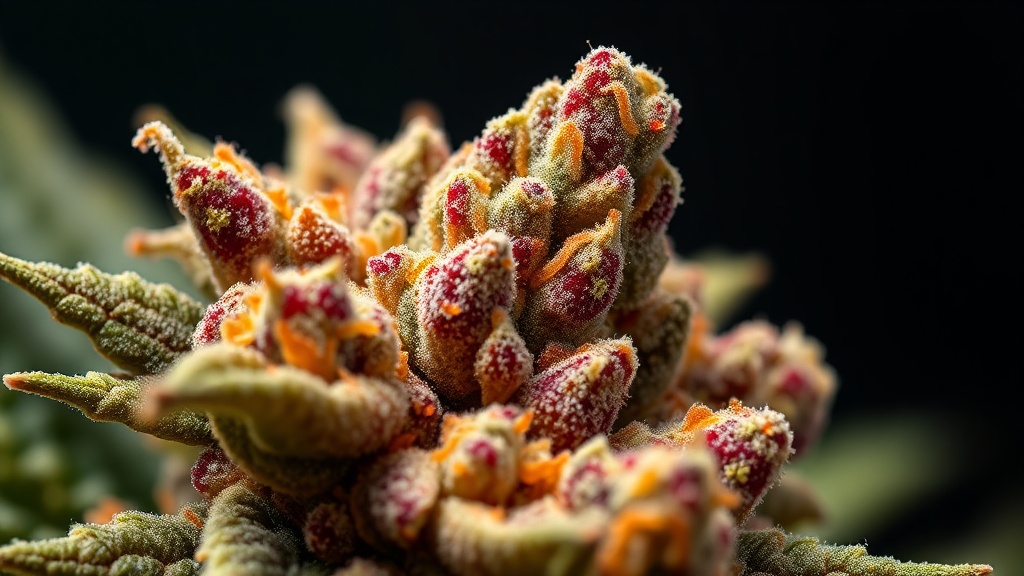
Crown Candy differentiates itself primarily through appearance and aroma. Dense, colorful buds display deep greens with purple and violet undertones, blanketed in trichomes. The aroma profile hits tropical berries, grape candy, and sour fruit punch simultaneously — among the most complex nose in the candy category. Specific THC data varies by phenotype, but Crown Candy is consistently cited as a high-potency cultivar suited to connoisseur-level consumption.
Growing data is less widely documented than the other four entries here, but its visual appeal makes it a popular boutique grow. If you want to explore similar visually striking purple-leaning genetics, the Purple Haze guide is a relevant companion read. Also see our guide to the Candy Mac strain for another candy-adjacent cultivar worth knowing.
Candy Strain Terpene Profiles Compared
Effects at a Glance: What Candy Strains Actually Feel Like
Across the category, candy strains trend toward the upper quadrant of the experience spectrum — uplifting and euphoric first, relaxing second. They're not sedating hammers like a pure OG or heavy Kush. Most users report a mood elevation that makes them good for social settings, creative projects, or afternoon sessions when you want elevation without couch-lock. The exception is Candy Coated at 27% THC — that indica lean and potency pushes it into evening territory for most people.
Creativity is the shared thread across nearly all candy strains. The limonene and caryophyllene combination consistently produces mentally stimulating, mood-elevated states without anxiety-inducing raciness. For consumers who find high-THC sativas too intense, candy strains often feel more manageable thanks to the myrcene content that tempers edge. If you're unsure which sweet strain fits your needs best, the Strain Finder Quiz can narrow it down based on your tolerance, preferred effects, and consumption style.
Candy Strain THC & Potency Comparison
| Strain | THC% | CBD% | Type | Best For |
|---|---|---|---|---|
| Candyland | 19–24% | ~0.1% | Sativa-dom. hybrid | Creativity, daytime use |
| Candy Chem | ~17% | ~0.05% | Hybrid | Beginners, mild sessions |
| Candy Skunk | ~21.7% | ~0.2% | Hybrid | Balanced everyday use |
| Candy Coated | ~27% | ~0.1% | Indica-dom. hybrid | Experienced users, evenings |
| Crown Candy | High (varies) | Low | Hybrid | Connoisseur, visual appeal |
Growing Candy Strains: What to Expect
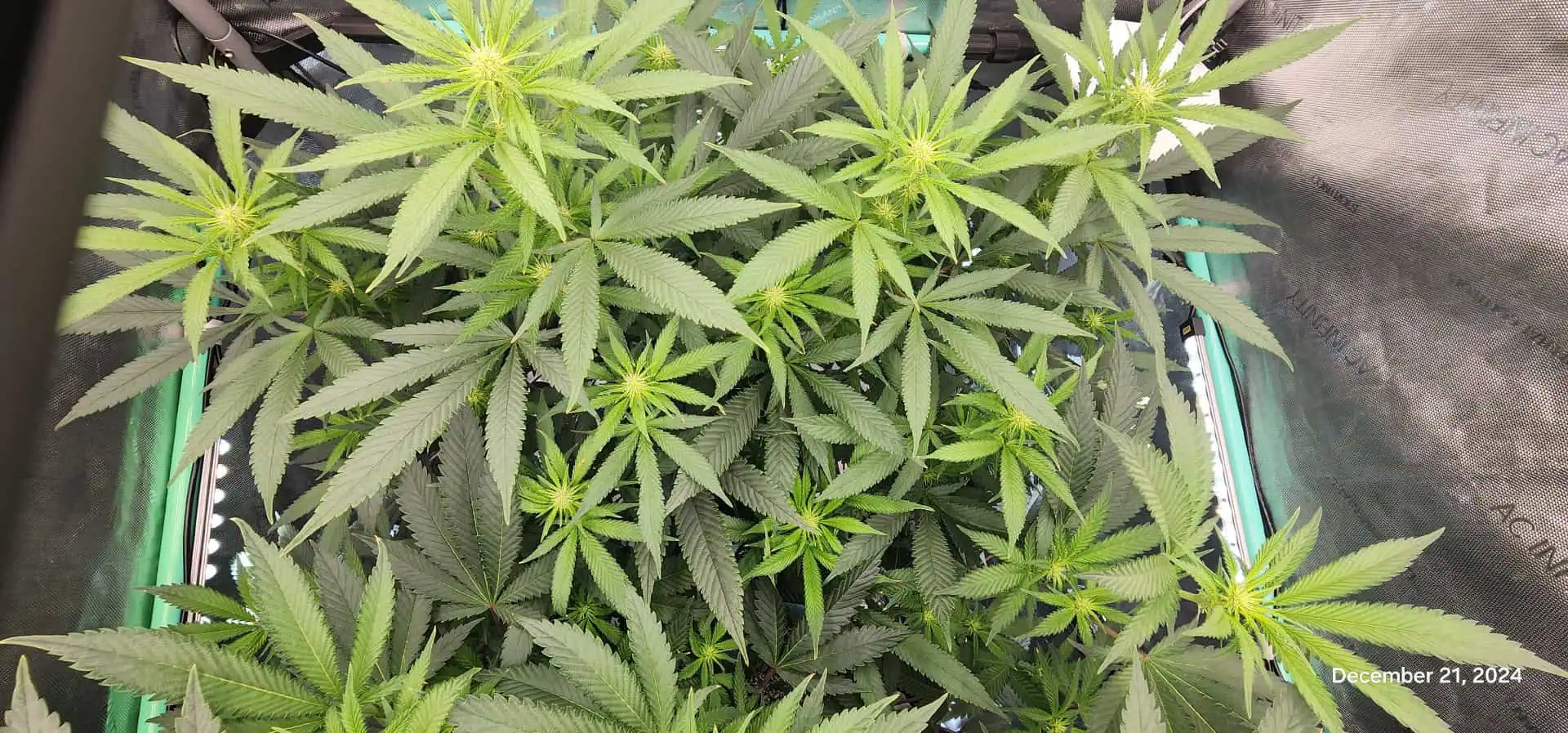
The good news for home growers is that most candy strains are practical to cultivate. They don't demand the obsessive environmental control of something like MAC 1, and their medium-height structures suit both tent grows and outdoor gardens. Here's what the category generally shares:
- Height: Medium — typically 80–120 cm indoors, manageable without aggressive training but responsive to LST and light topping
- Flower time: 56–70 days (8–10 weeks) depending on the specific cultivar; Candy Coated runs shortest at 56–65 days
- Yield: Moderate to high; Candy Coated and Crown Candy produce the densest, most resin-heavy buds
- Difficulty: Beginner-friendly (Candy Chem, Candyland) to moderate (Candy Skunk, Candy Coated)
- Pest resistance: Candy Skunk's Skunk lineage gives it solid resistance to common molds and pests
For indoor grows, training these plants with topping or low-stress training maximizes light penetration to the lower bud sites and improves overall yield. If you're setting up your first tent grow, the Indoor Growing Beginner's Guide walks you through every stage. Once you're in flowering, use the Yield Calculator to project harvest weight based on your setup and light intensity.
After harvest, preserving those candy terpenes requires a careful dry and cure. Rushing this step is the fastest way to lose that signature sweetness — aim for a 10–14 day dry at 60°F / 60% RH, followed by a minimum 2-week cure. The Dry & Cure Timer keeps the schedule on track so you don't guess. For the definitive harvest timing guide, see our Trichome Harvest Guide — milky-to-amber trichome ratios shift the candy flavor profile dramatically depending on when you pull.
Candy Strains vs. Other Dessert Categories
It's worth distinguishing candy strains from the broader dessert cannabis category. Strains like Gelato and Biscotti share the sweet DNA but express it differently — Gelato trends creamy and citrus-forward while Biscotti delivers more of a baked good, doughy sweetness. The candy strain family sits in a distinct pocket characterized by sharper fruit notes, higher limonene, and in most cases a brighter, more stimulating high than the heavy GSC-lineage dessert strains.
If you're building a flavor-forward strain collection, pairing a candy strain like Candyland with a Gelato phenotype and something tart like Purple Lemonade covers a wide flavor spectrum. See also the Jokerz Candy strain guide for a newer cultivar that bridges the candy and dessert categories with its own distinct profile.
Which Candy Strain Should You Choose?
The right pick depends on three factors: your THC tolerance, your intended use case, and whether you're a consumer or a grower.
- New to cannabis or lower tolerance: Start with Candy Chem at ~17% THC. The effects are manageable, the flavor is distinctive, and you're not going to overdo it.
- Everyday recreational use: Candy Skunk at 21.7% delivers a consistent, well-rounded experience without extremes in either direction.
- Daytime creativity and productivity: Candyland (19–24% THC) is the obvious choice — sativa-leaning, euphorically uplifting, and better for active use than couch sessions.
- Evening and potency seekers: Candy Coated at ~27% THC with its indica lean is built for unwinding at the end of the day. Dose carefully the first session.
- Connoisseur/boutique grower: Crown Candy's visual drama and complex aroma make it the standout for people who grow for the experience as much as the effect.
Not sure where to start? Run your preferences through the Strain Finder Quiz — it accounts for tolerance, desired effect, and flavor preference to surface the best match from across the candy strain family and beyond.
Final Thoughts
The candy strain category has matured from a niche novelty into one of the most commercially and cultivar-rich segments of modern cannabis. Whether you're drawn in by the flavor, the mood-lifting effects, or the relatively forgiving grow traits, there's a candy strain calibrated to your specific needs. Candyland remains the standard-bearer, but Candy Coated's 27% THC and boutique-quality buds represent where the category is heading — more potency, more complexity, and more terpene sophistication in every generation of crosses.