Banjo Strain: Effects, THC%, Terpenes & Flavor Profile
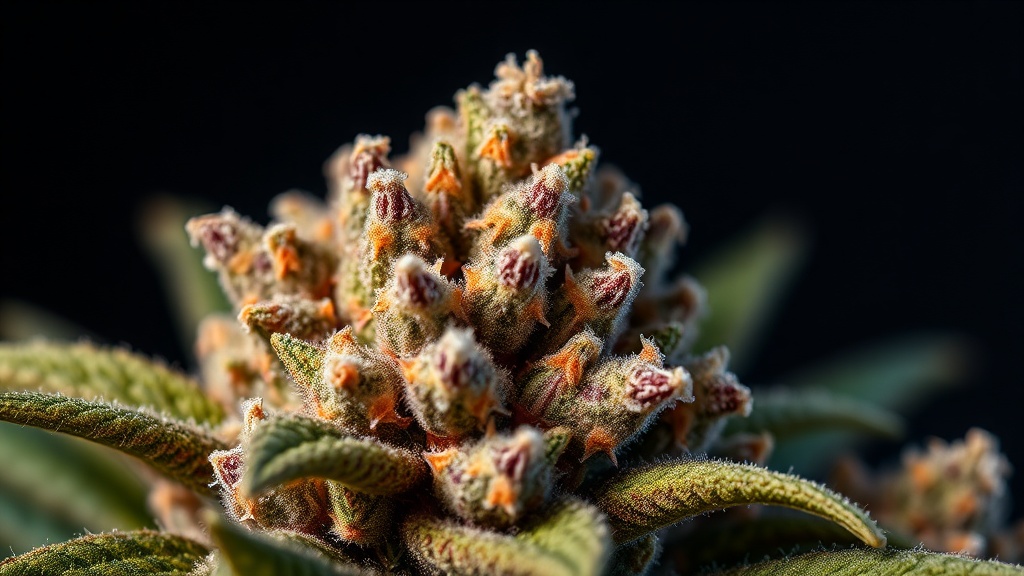
TL;DR: Banjo Strain at a Glance
- Genetics: Boost × Tangelo
- Type: Balanced hybrid
- THC: 18–28% (avg. ~19%)
- CBD: <1%
- Dominant terpenes: Myrcene, Limonene, Pinene
- Aroma: Tangerine zest + fresh cheese
- Effects: Euphoric, uplifted, creative, relaxed
- Best for: Daytime creativity, stress, low-grade anxiety
- Grow difficulty: Easy to moderate
What Is the Banjo Strain?
The Banjo strain is a balanced hybrid born from two underrated parents: Boost and Tangelo. It's not the loudest name on the dispensary shelf, but Banjo has quietly built a loyal following among enthusiasts who appreciate a hybrid that actually delivers on both sides — functional head effects and genuine body ease. With THC hovering between 18% and 28%, it's a versatile strain that works for a morning creative session just as well as a late-afternoon wind-down.
What makes Banjo genuinely interesting is the aroma: an almost paradoxical blend of freshly grated cheese and tangerine zest. It shouldn't work, but it absolutely does. If you've explored citrus-forward hybrids like Lemon OG or Agent Orange, Banjo sits comfortably in that citrus-meets-complexity lane while adding its own savory twist.
Banjo Strain Genetics: Boost × Tangelo
Understanding Banjo's lineage explains a lot about why it behaves the way it does:
- Boost contributes the strain's physical relaxation and body-heavy undercurrent, along with some of the earthier, funkier aromatic notes.
- Tangelo (itself a citrus cultivar) brings the bright limonene-driven aroma, the uplifting head effects, and the tropical sweetness that balances Boost's heavier influence.
The result is a true 50/50 hybrid in effect delivery — you feel the cerebral lift first, then a gradual body ease settles in without locking you to the couch. Think of it as the sativa opening act and the indica encore.
Banjo Strain Terpene Profile
Banjo's terpene lineup is relatively straightforward but punches well above its weight in terms of complexity. Myrcene leads the charge, with limonene and pinene rounding it out. This trio creates the strain's signature aromatic contradiction: earthy musk, bright citrus, and a crisp pine backbone.
- Myrcene — The workhorse terpene. Earthy, musky, slightly herbal. Responsible for the body-ease effect and Banjo's funky cheese-like baseline aroma. Myrcene is also found in high amounts in Blue Dream and OG Kush.
- Limonene — Adds the tangerine and citrus brightness. This is what makes Banjo's aroma surprising and uplifting. Limonene also contributes mood-elevating properties.
- Pinene — The pine backbone. Adds crispness to the exhale and may counteract some of myrcene's sedative qualities, keeping Banjo from feeling too heavy.
Want to dig deeper into how these compounds interact? Our Terpene Explorer lets you browse terpene profiles and cross-reference them across hundreds of strains. For a full primer, check out our Complete Guide to Cannabis Terpenes.
Banjo Strain Effects
Banjo opens with a quick cerebral rush — within a few minutes of the first exhale, most users report a surge of euphoria (reported by ~58% of users) and a general uplifting of mood. This transitions into a creative, engaged headspace that makes Banjo well-suited for artistic work, conversation, or anything that benefits from loosened thinking.
Around the 20–30 minute mark, a gentle body ease rolls in. It's not sedating — Banjo doesn't put you to sleep at normal doses — but it smooths out tension in the shoulders and takes the edge off physical discomfort. The balance between these two phases is where Banjo earns its reputation as a reliable balanced hybrid.
Positive Effects Breakdown
- Euphoria (58%): The dominant experience. Reliable mood elevation that doesn't tip into paranoia at moderate doses.
- Uplifted (50%): A lighter, brighter version of euphoria — great for social settings.
- Creative (46%): Divergent thinking flows more easily. Many users reach for Banjo before writing, painting, or brainstorming sessions.
- Happy (40%): A warm, contentment-based effect that lingers throughout the session.
- Relaxed (38%): The body ease that arrives in the second half of the experience.
Potential Negative Effects
- Dry mouth (13%): Standard. Keep water nearby.
- Anxiety (12%): Relatively low, but if you're sensitive to THC, stick below 28% batches and go slow.
- Dizziness (6%): Typically dose-related. New users should start with 1–2 hits and wait 15 minutes.
- Dry eyes (6%): Eye drops are your friend.
If anxiety is a consistent concern with high-THC strains, our guide to the Top Cannabis Strains for Anxiety Relief and Best Strains for Anxiety and Depression can help you calibrate your choices.
Banjo Strain Flavor and Aroma
This is where the Banjo strain stands out in a crowded field. The aroma is genuinely unexpected: freshly grated cheese layered over ripe tangerine zest. On paper it sounds like a weird charcuterie board; in practice, it's oddly compelling — savory and sweet at the same time, with a piney diesel note underneath that keeps things interesting.
On the inhale, you get sweet citrus upfront with a hint of pine. The exhale is where the cheese funk asserts itself, followed by a lingering tangerine sweetness that coats the palate. For fans of complex, multi-note flavor profiles, Banjo is a genuine treat. It shares some DNA in spirit (if not genetics) with the savory-sweet approach you find in strains like Blue Cheese — that curious intersection of funky and fruity.
Banjo Strain Medical Uses
User-reported therapeutic applications for the Banjo strain cluster around mental health conditions:
- Anxiety (24%): The most common reported therapeutic use. Banjo's balanced effect profile — euphoria without heavy sedation — makes it manageable for anxiety sufferers who still need to function.
- Stress (16%): The limonene-myrcene combination is classically stress-relieving, and Banjo delivers this reliably.
- Depression (14%): The mood-elevating, creative effects can help break through low-motivation periods. For other strains targeting depression, see our Best Cannabis Strains for Depression 2026 roundup.
Not sure if Banjo is the right fit for what you're looking for? Our Strain Finder Quiz matches you to strains based on your specific effects and use-case preferences.
Growing the Banjo Strain
Banjo is one of those refreshingly approachable cultivars that doesn't punish newer growers. Rated easy to moderate in difficulty, it's a good step-up strain if you've grown a beginner-friendly variety and want something with more complexity in the final product.
Key Growing Characteristics
- Structure: Bushy with strong lateral branching. Banjo wants to spread horizontally, so plan your canopy management accordingly. Low-stress training (LST) works exceptionally well here — tying down lateral branches early will maximize light penetration and even bud development.
- Climate: Prefers hot and humid conditions, making it well-suited for greenhouse grows or indoor setups with humidity control. Aim for 60–70% RH during veg and pull it down to 40–50% in late flower to protect against mold in those dense buds.
- Yield: With proper training and a full-spectrum light setup, Banjo delivers respectable yields. Use our Yield Calculator to estimate your expected harvest based on your setup.
- Flowering time: Typically 8–9 weeks for photoperiod versions.
Tips for Maximizing Banjo's Terpene Profile
Given how much of Banjo's appeal lives in its terpene expression, it's worth optimizing your grow specifically around terpene preservation:
- Dial back nutrients in the final 2 weeks: A proper flush encourages the plant to express terpenes more fully and prevents a harsh, nutrient-heavy taste in the final smoke.
- Harvest at peak trichome maturity: For Banjo, aiming for mostly cloudy trichomes with 10–20% amber will preserve the limonene brightness while allowing the myrcene depth to develop. Our Trichome Harvest Guide walks through this in detail.
- Dry slowly at 60°F / 60% RH: A slow dry (10–14 days) preserves volatile terpenes that would otherwise off-gas in a warm, fast-drying environment. Use our Dry & Cure Timer to track your drying and curing schedule.
- Cure for at least 4 weeks: Banjo's cheese-citrus aroma really opens up with time. Jars burped daily for the first week, then every 2–3 days after, will reward you with a noticeably more complex final product.
New to indoor cultivation? Our Indoor Growing Beginner's Guide covers everything from seed to harvest. And if you're running into nutrient issues mid-grow, the Nutrient Deficiency Identifier can diagnose leaf problems fast.
Try the Nutrient Deficiency Identifier →
Training Banjo's Bushy Structure
Banjo's natural bush structure makes it an ideal candidate for SCROG (Screen of Green) or aggressive LST. Because lateral branches are strong and plentiful, you can spread the canopy effectively across a net and develop multiple top-tier colas rather than one dominant main. For a full breakdown of training techniques, see our guide on How to Top Cannabis Plants Multiple Times.
How Banjo Compares to Similar Strains
If you enjoy Banjo, here are some strains with overlapping qualities worth exploring:
- Bahama Mama — Another tropical-leaning hybrid with uplifting effects and citrus-forward flavor.
- Strawberry — Shares the fruit-forward sweetness and euphoric head effects.
- Rainbow — A similarly balanced hybrid with complex terpene layering.
- Blue Cheese — If it's the savory cheese dimension of Banjo that got your attention, Blue Cheese leans even harder into that profile.
For a direct side-by-side comparison, try our Strain Comparator to stack Banjo against any strain in our database.
Final Verdict: Is Banjo Right for You?
The Banjo strain is the kind of cultivar that rewards curious cannabis consumers — people who want more than a one-note high and appreciate a genuinely unusual flavor profile. With THC that scales from manageable (18%) to potent (28%), it works for a broad range of tolerance levels. Its balanced hybrid effects make it genuinely versatile: creative sessions in the morning, social use in the afternoon, mild relaxation in the evening.
Growers will appreciate its forgiving nature and bushy structure, and anyone who takes the time to slow-dry and properly cure their Banjo harvest will be rewarded with one of the more interesting-smelling jars in their collection. The cheese-and-tangerine combination is genuinely singular in the current market — and that alone makes Banjo worth tracking down or growing for yourself.
More from StrainGuide
Community Grows
See how real growers are cultivating this strain.
Track Your Grow with GrowGuide
Free grow journal app — log feedings, track stages, snap progress photos, and connect with growers.
Get GrowGuide FreeHave a question about this topic?
Ask our AI Bud Tender — powered by the same assistant in the StrainGuide app.